
Core planning tool
Decor Budget Calculator
Build a realistic USD estimate by room, square footage, condition, labor plan, shopping style, timeline, safety cushion, and the exact items you need.
USD estimate
Serious room project
Indicative US averages only. Actual prices depend on location, quality, labor, delivery, sales tax, and what you already own.
Total range
$2,316 - $10,944
Start with
$1,274
Confidence
88%
DIY prep saves fast. Paint the trim only if it changes the room.
If floors are usable, a large washable rug may beat replacement.
Start with warm bulbs, one task lamp, and one glow lamp.
Hang panels high and wide before paying for custom window treatments.
Measure walking paths first; the wrong size is the expensive mistake.
Total: $2,316 - $10,944
Includes a 12% cushion of $248 - $1,173 for forgotten supplies, delivery, returns, and small surprises.
Smart order of attack
- Lock the room layout and measurements before buying anything large.
- Spend the first $1,274 on the items that change daily comfort first.
- Delay decor accessories until lighting, storage, and the main textile are solved.
One useful home email a month
Real ideas to make your home work better. No spam, easy unsubscribe.
Latest budget makeover ideas
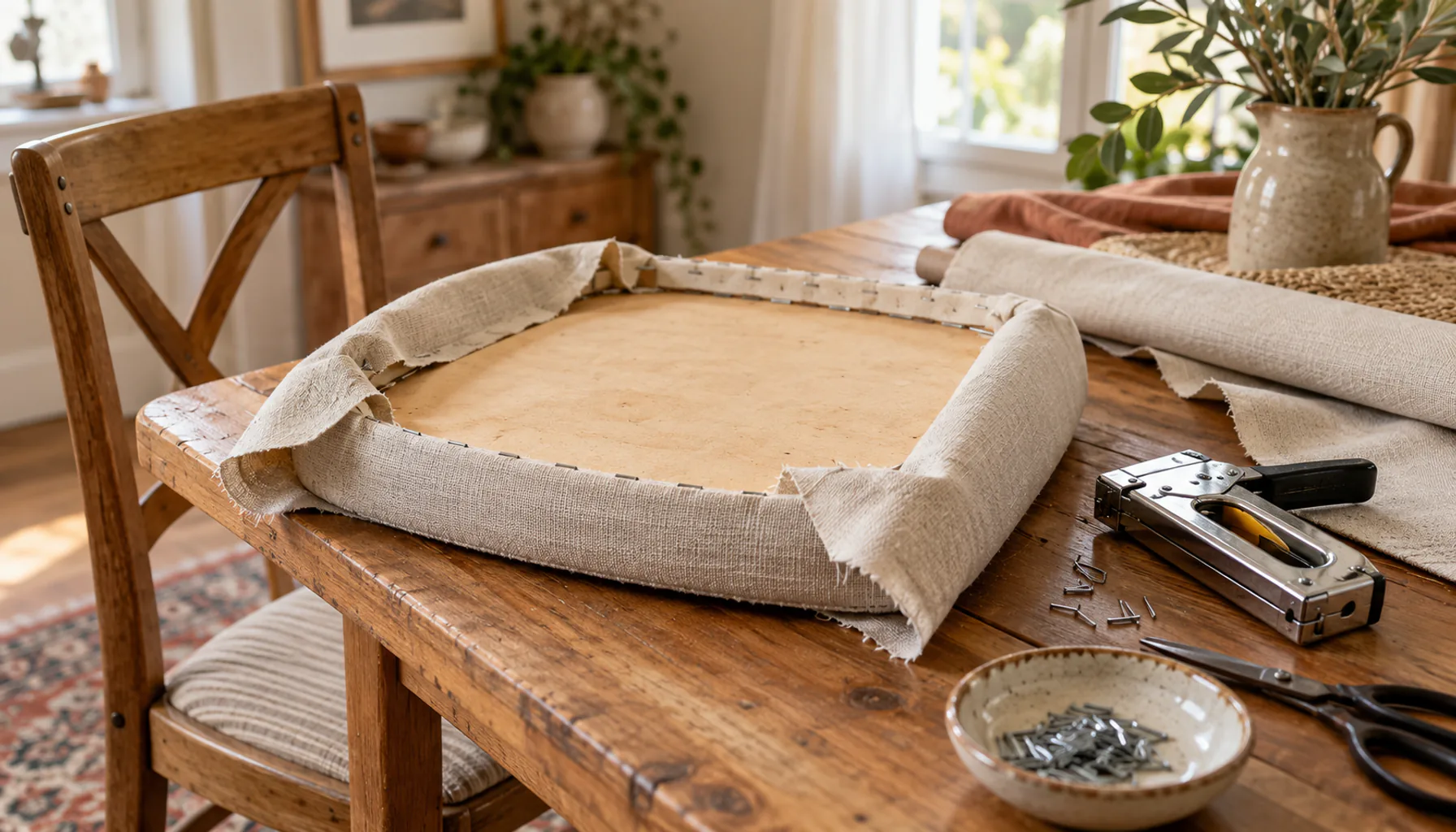
DIY & Budget Makeovers
How to Reupholster a Dining Chair Seat: Step-by-Step
Learn how to reupholster a dining chair seat with a staple gun, new fabric, and about an hour per chair. No sewing machine required.
October 11, 2026
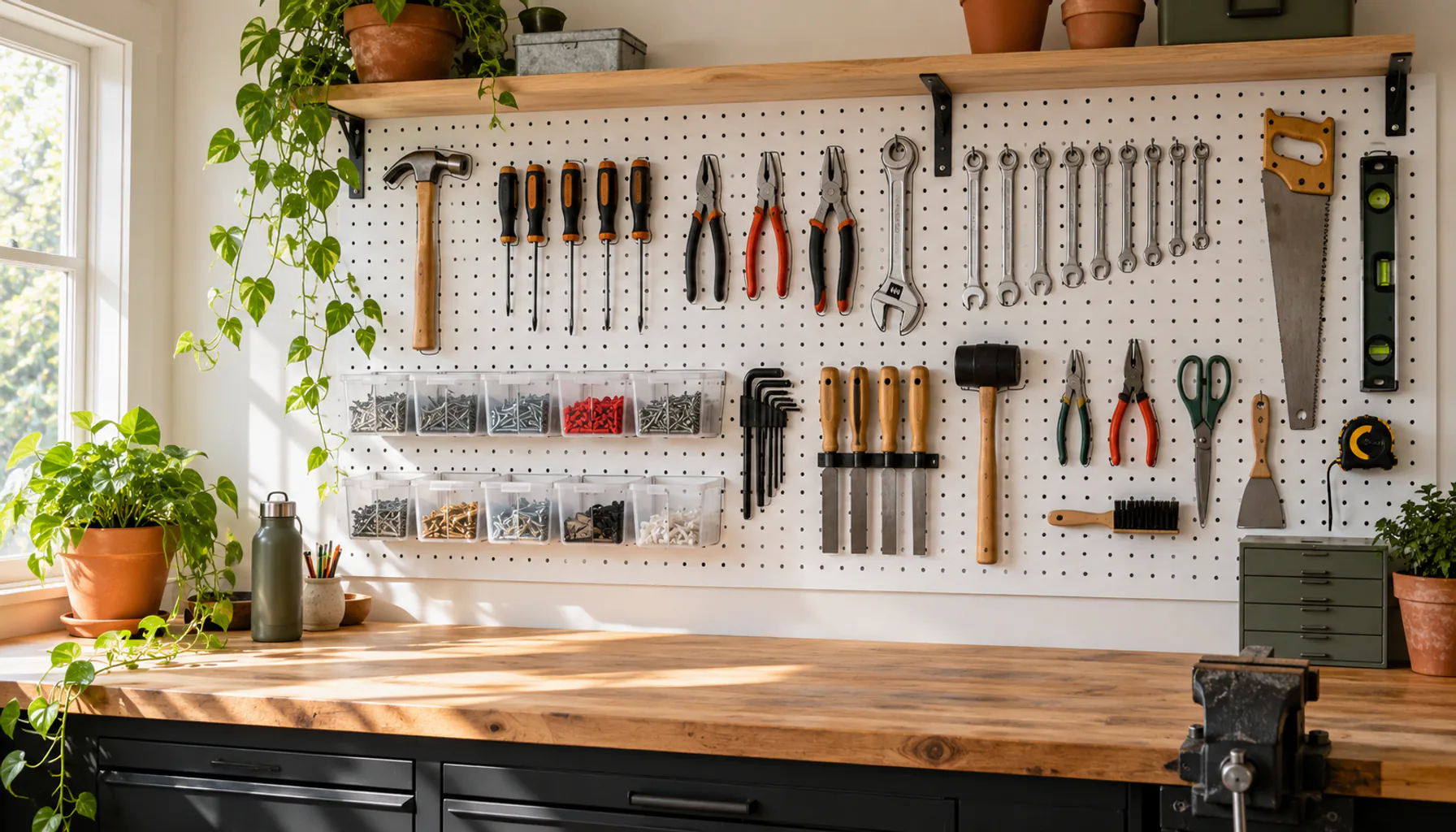
DIY & Budget Makeovers
12 DIY Pegboard Wall Ideas for Garage and Craft Rooms
12 DIY pegboard wall ideas for garages and craft rooms, covering panel choice, spacer mounting, paint finish, small-parts bins, a fold-down shelf, and renter-friendly options.
October 9, 2026
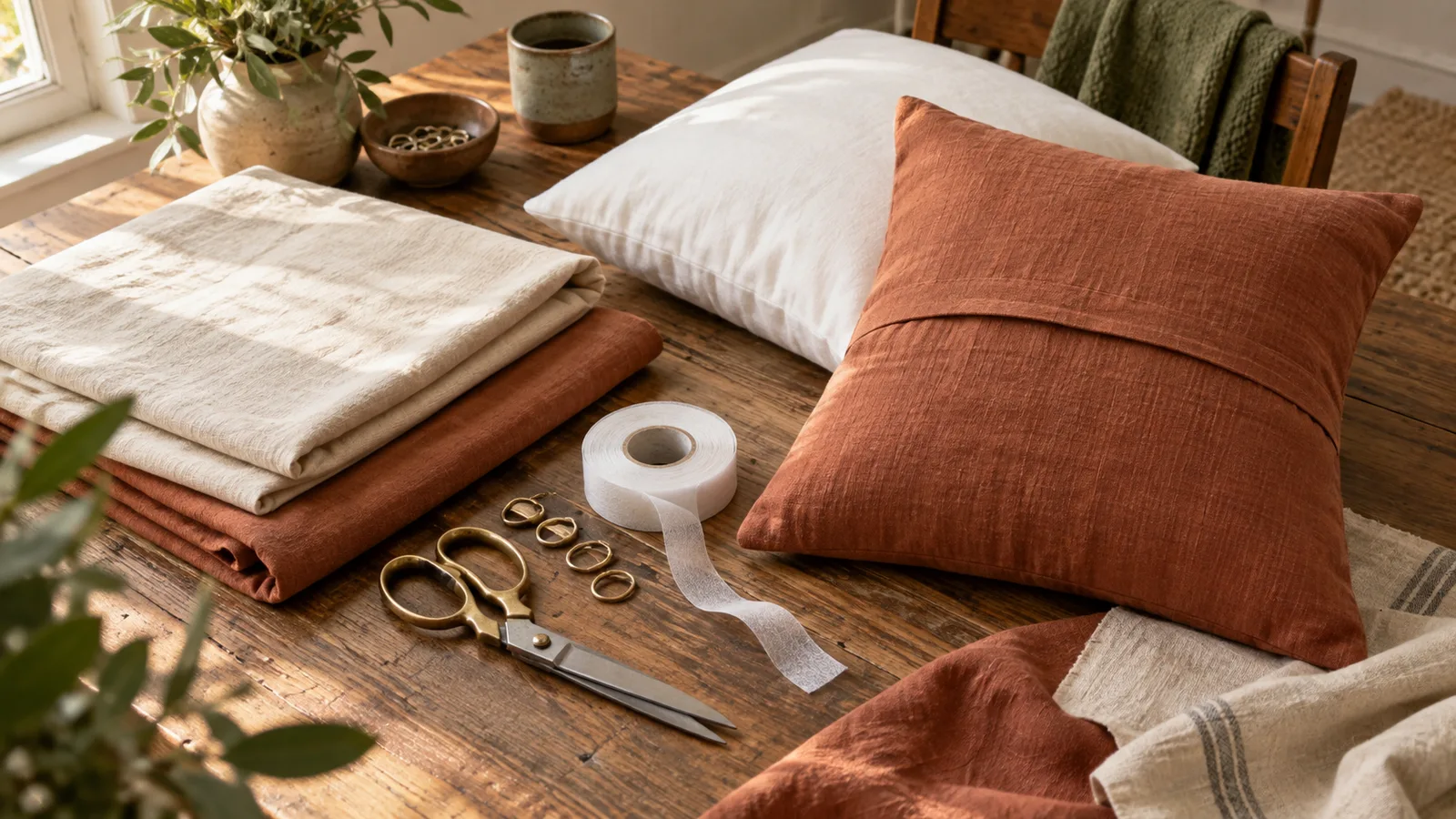
DIY & Budget Makeovers
11 No-Sew Fabric Projects for Beginners to Try This Weekend
No-sew fabric projects for curtains, pillows, a headboard, and more. Clips, glue, tape, and grommets stand in for stitching. Budget-friendly and renter-safe.
September 20, 2026
Helpful answers
How to use the Budget Calculator
How do I actually use the Budget Calculator?
Just work through it like a friendly questionnaire. Tell it your room, roughly how many square feet it is, the budget level you are comfortable with, the room's condition, whether you are doing it yourself or hiring help, your shopping style, your timeline, and the items you know you need. As you make each choice, the USD range updates right away, so you can play with the options and watch how each decision moves the number.
Why does it ask about labor and the room's condition?
Because those two things quietly decide most of your budget. A room that just needs a refresh, a coat of paint and a few new pieces, costs far less than one that needs real repair before the fun part begins. And the moment you bring in professional help, the price usually climbs. Asking about both is how the calculator gives you a number that reflects your project instead of a generic average.
What is the safety cushion, and why include one?
The safety cushion is a little breathing room built into your budget for the things nobody plans for but almost everyone hits: delivery fees, an extra can of paint, a return that does not fully refund, sales tax, a tool you forgot you needed, or the small mistake that happens on every project. Setting that money aside on purpose means a surprise becomes a shrug instead of a stalled room.
Can I hand this to a contractor as my quote?
No, and please do not. This is a planning tool to help you walk in prepared, not a professional quote. Use it to shape your expectations and your spending plan, then get real prices and proper estimates from suppliers or contractors before you commit. The calculator's job is to make sure their numbers do not catch you off guard.
How accurate is the estimate, honestly?
It is a well-reasoned ballpark, not a promise. The ranges are built to be realistic for a typical project, but your true cost depends on your city, the brands you like, sales and secondhand finds, and how much you already own. If you shop carefully you may land near the low end, and if you choose premium pieces or hire out the work you will sit higher. Use it to plan confidently, then verify with real prices.