Renter-Friendly Upgrades You Can Take With You
Temporary home upgrades that make a rental feel better without wasting the budget.

· 4 min read
Renting does not have to mean living with a space that feels like someone else's. With a little planning, you can make a rental warm and personal while keeping everything you spend on the right side of the moving truck. The trick is to favor changes that lift with you and to treat the walls, floors, and fixtures as borrowed rather than yours to remake.
Upgrade what moves with you
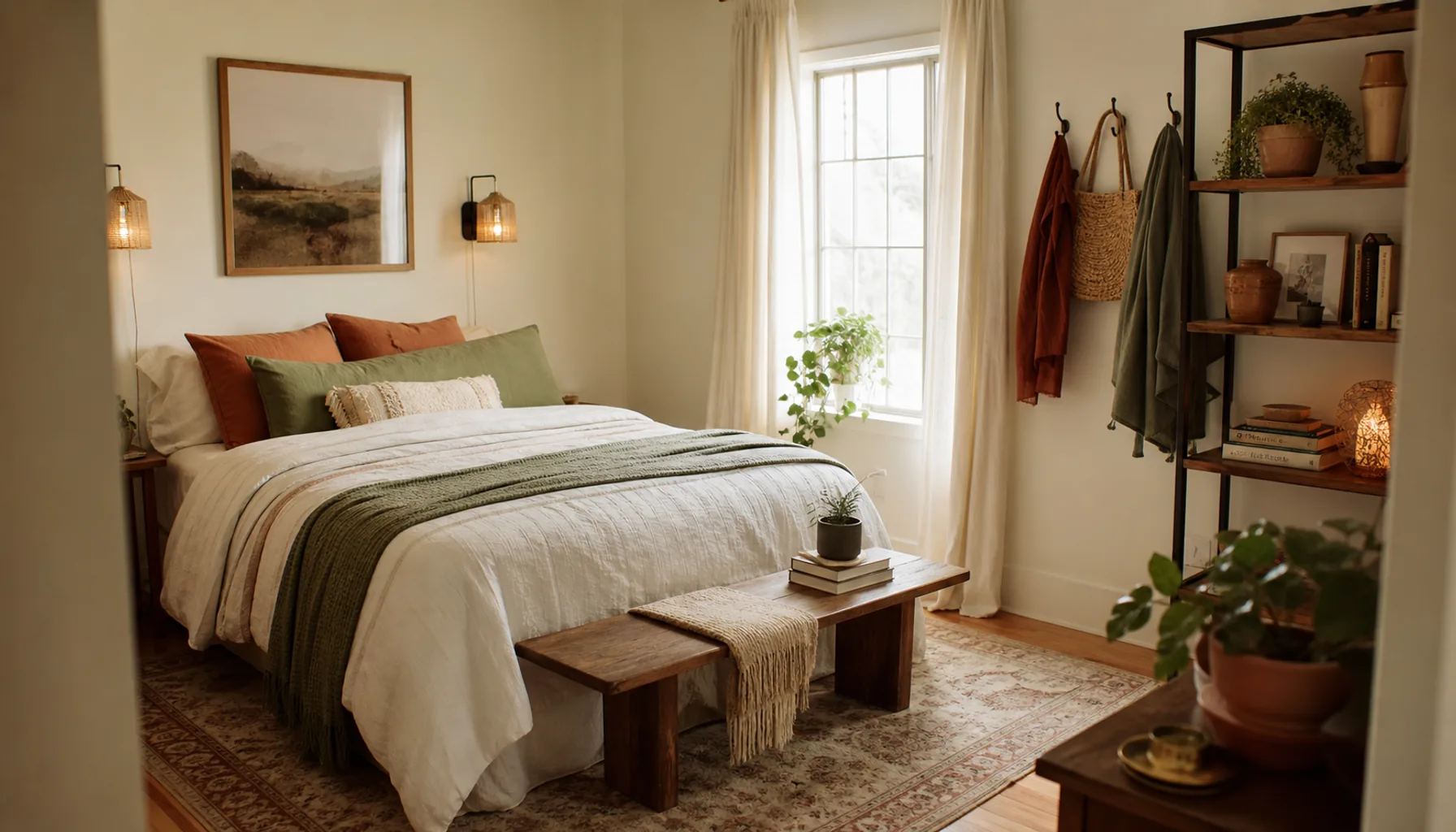
The safest money you can spend is on pieces that leave when you do. Lamps, rugs, curtains, freestanding shelves, mirrors, and art can make a rental feel personal and still come to the next home. A warm floor lamp changes the mood of a room more than a ceiling fixture you cannot touch, and it packs into a box on moving day.
Why this matters: every dollar you put into something portable keeps its value across addresses. A good rug you buy for this apartment can anchor a living room in the next one, and again after that. Compare that to paint or built-ins, which stay behind when you hand back the keys.
- Lighting: table and floor lamps set the tone without wiring.
- Textiles: rugs, curtains, and throws add color and soften hard surfaces.
- Freestanding storage: bookcases and shelves that stand on their own.
Use temporary fixes carefully
Peel-and-stick products can work well, but test them in a hidden area and read removal reviews. Not every wall finish handles adhesive kindly. A closet corner or the space behind a door is a good place to try a piece first. Leave it a few days, then peel slowly and see what comes away with it.
Why this matters: the goal is to avoid a surprise on move-out day. Flat or older paint, textured walls, and cheaper finishes can lift or tear when adhesive comes off, and that can cost you part of a deposit. Removable wallpaper, hooks, and decals are genuinely useful, but only as forgiving as the surface underneath. When in doubt, choose the lightest hold that does the job.
Cover problems instead of fighting them
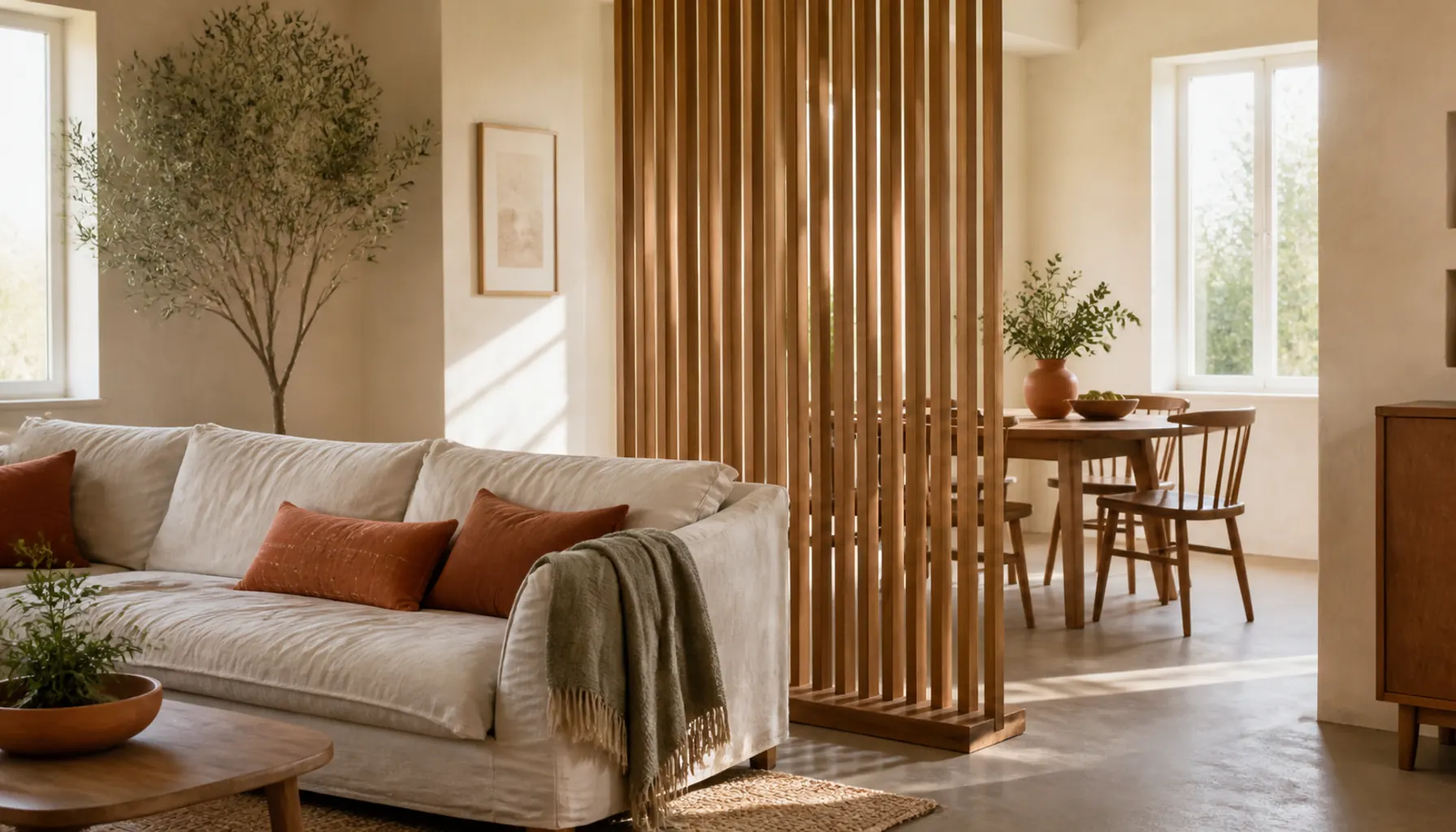
Some flaws are not worth a battle. A large rug can soften bad flooring. Long curtains can hide awkward window proportions. A folding screen can cover visual clutter or an outlet-heavy wall. You are not obligated to fix what you did not break, and usually not allowed to anyway.
Why this matters: covering a problem is faster, cheaper, and fully reversible. Hanging a curtain rod wide and high, past the window frame, makes a small window look generous and draws the eye away from odd trim. These moves change the feeling of the room without changing the room itself.
Swap hardware only if reversible
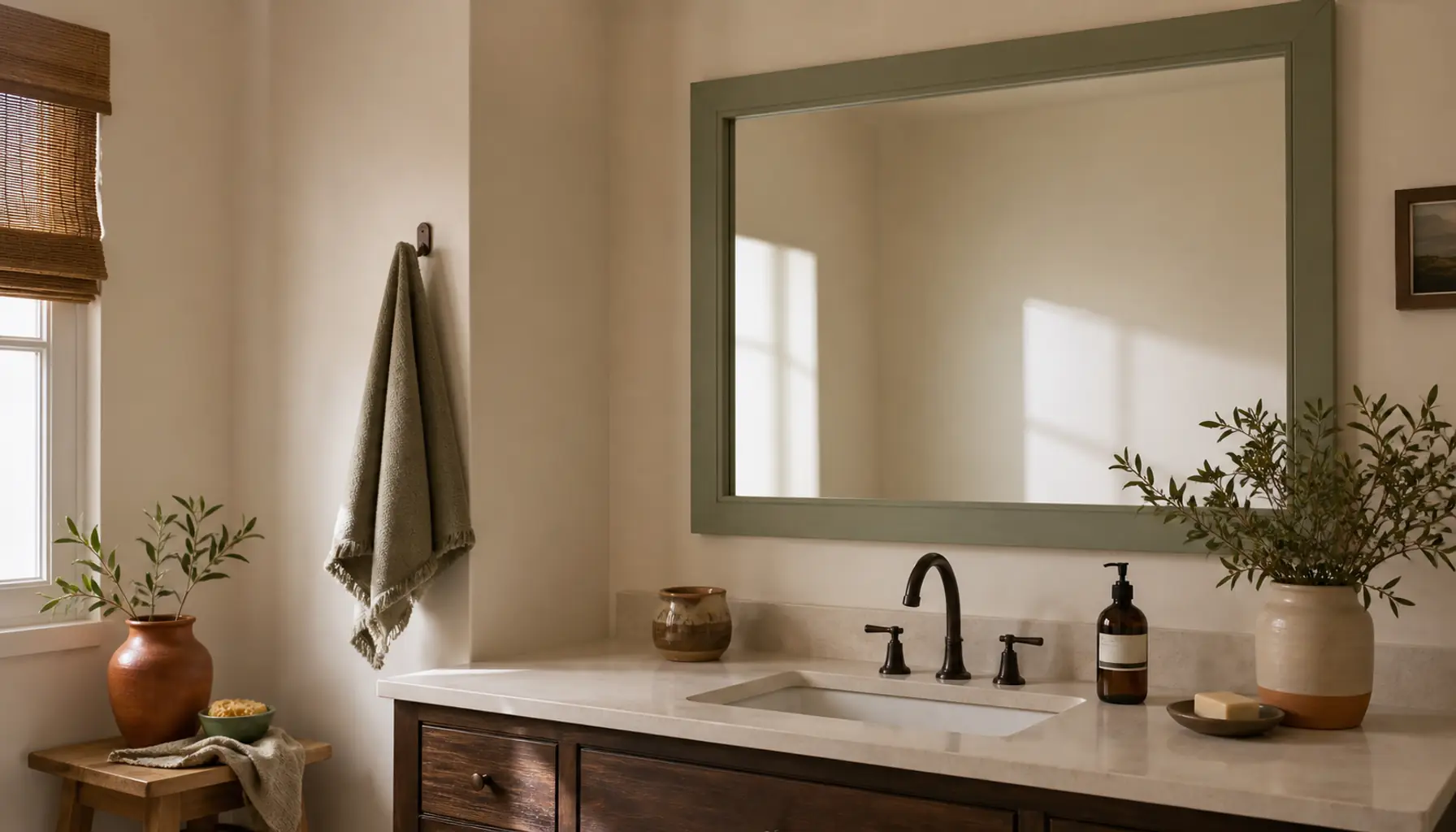
Cabinet knobs, drawer pulls, and some light fixtures can be swapped to modernize a kitchen or bath quickly. If you do this, keep every original knob, screw, and fixture in a labeled bag. Future you will be grateful on moving week, when you can put the space back as you found it and take your hardware along.
Why this matters: reversibility protects your deposit and your effort. Store the original parts somewhere safe, like a zip bag taped inside a cabinet. Only take on swaps you can safely reverse, and leave anything involving wiring to the landlord unless you have their sign-off.
Make one corner yours
Even if the whole rental cannot change, one reading corner, desk wall, or bedside area can feel settled. Choose a single spot and give it your full attention: a comfortable chair, a small lamp, a stack of books, something on the wall you like looking at.
Why this matters: a home feels like yours when at least one place in it is unmistakably you. Transforming every room at once is expensive and exhausting, and in a rental rarely allowed. One finished corner gives you somewhere to land at the end of the day and makes the plainer rooms easier to live with.
Add life without commitment
Plants, in pots you own, bring softness and color to almost any room and travel easily. Group a few at different heights near a window, or let one trailing plant spill from a shelf. If light is limited, sturdy low-light varieties or a few faux stems do the same work. Greenery reads as warmth and fills empty corners without any commitment to the space.
Keep a move-out plan from day one
Before you change anything, take a few photos of each room as you received it. Keep receipts and note what you added versus what came with the place. When you settle in, decide how each new thing will come out later: what unhooks, what unscrews, what lifts off the floor. A little record-keeping at the start turns move-out from a scramble into a checklist.
Rentals reward a light touch. Spend on the things that travel, cover what you cannot change, and keep the original parts safe. Do that, and you get a home that feels like yours now and a clean exit when the next place calls.