Room Refresh Under $150: A Real Plan
A realistic room refresh budget that focuses on impact, not impulse shopping.


· 4 min read
A small budget can still change how a room feels, as long as you spend it on the right things. The trick is to treat $150 as a plan rather than a shopping trip. Below is a way to think about it, a sample split, and a few habits that keep the money working instead of leaking away on things you forget by next week.
Spend first on what changes the room daily
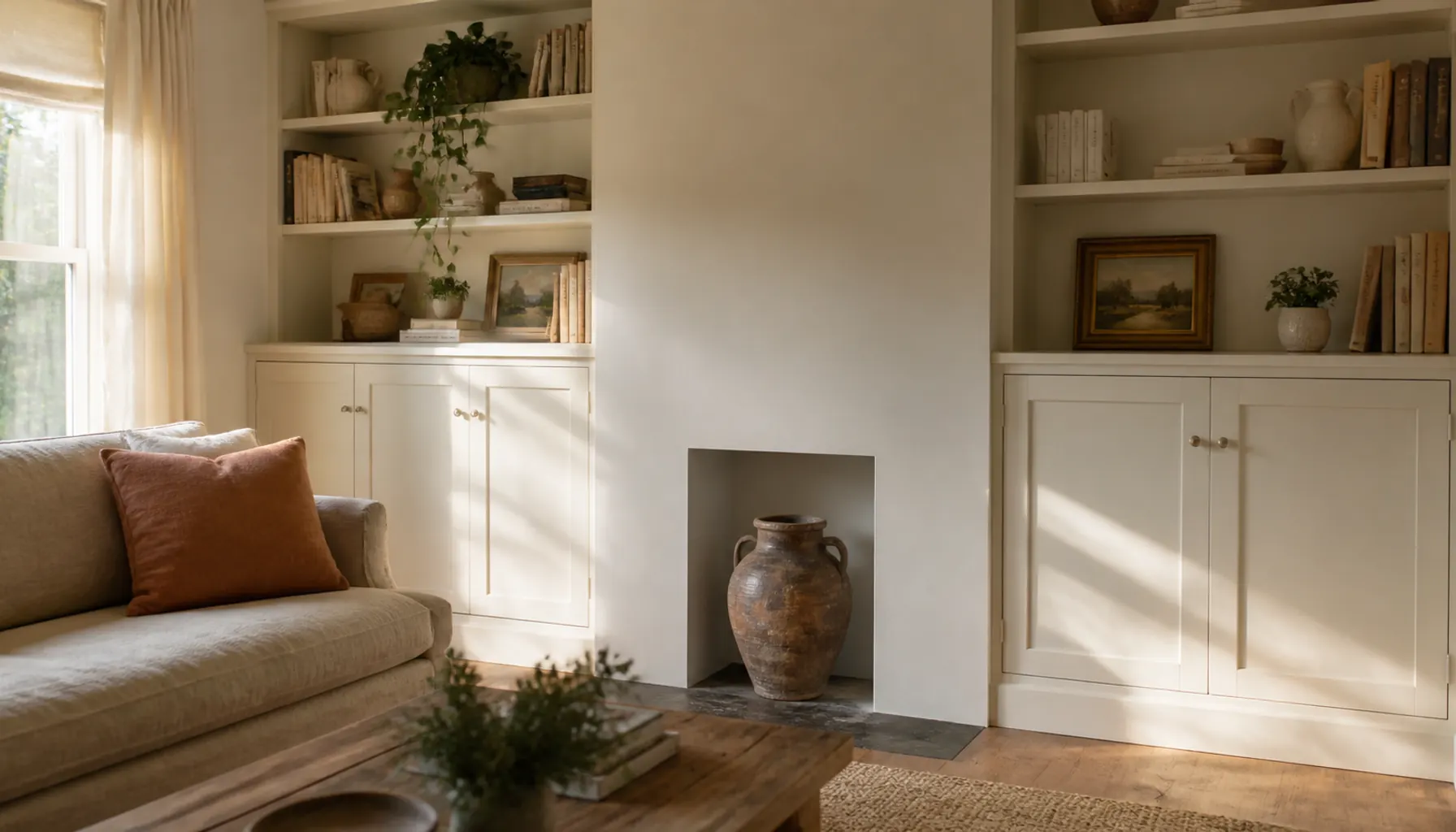
Before you buy any small decor, look hard at three things: the lighting, the textiles, and the one clutter point you walk past every day. These are the parts of a room you actually live inside, so they shift the mood faster than a new vase ever will.
Lighting is usually the biggest lever. A cold overhead bulb flattens everything, while a warm, lower light softens the whole space and makes it feel calm at night. Textiles come next because they add texture and color at eye level and on the surfaces you touch. And the clutter point matters because a pile of mail or a tangle of cables quietly drains the room no matter how nice everything else looks.
Why start here? Because these changes are felt, not just seen. You notice them every morning and every evening, which means the money keeps paying you back long after you spent it.
A sample $150 split
This is one way to divide the budget. Treat it as a starting point, not a rule, and shift the amounts to match your room.
- $45 for a warmer lamp or lampshade, or a set of warm bulbs.
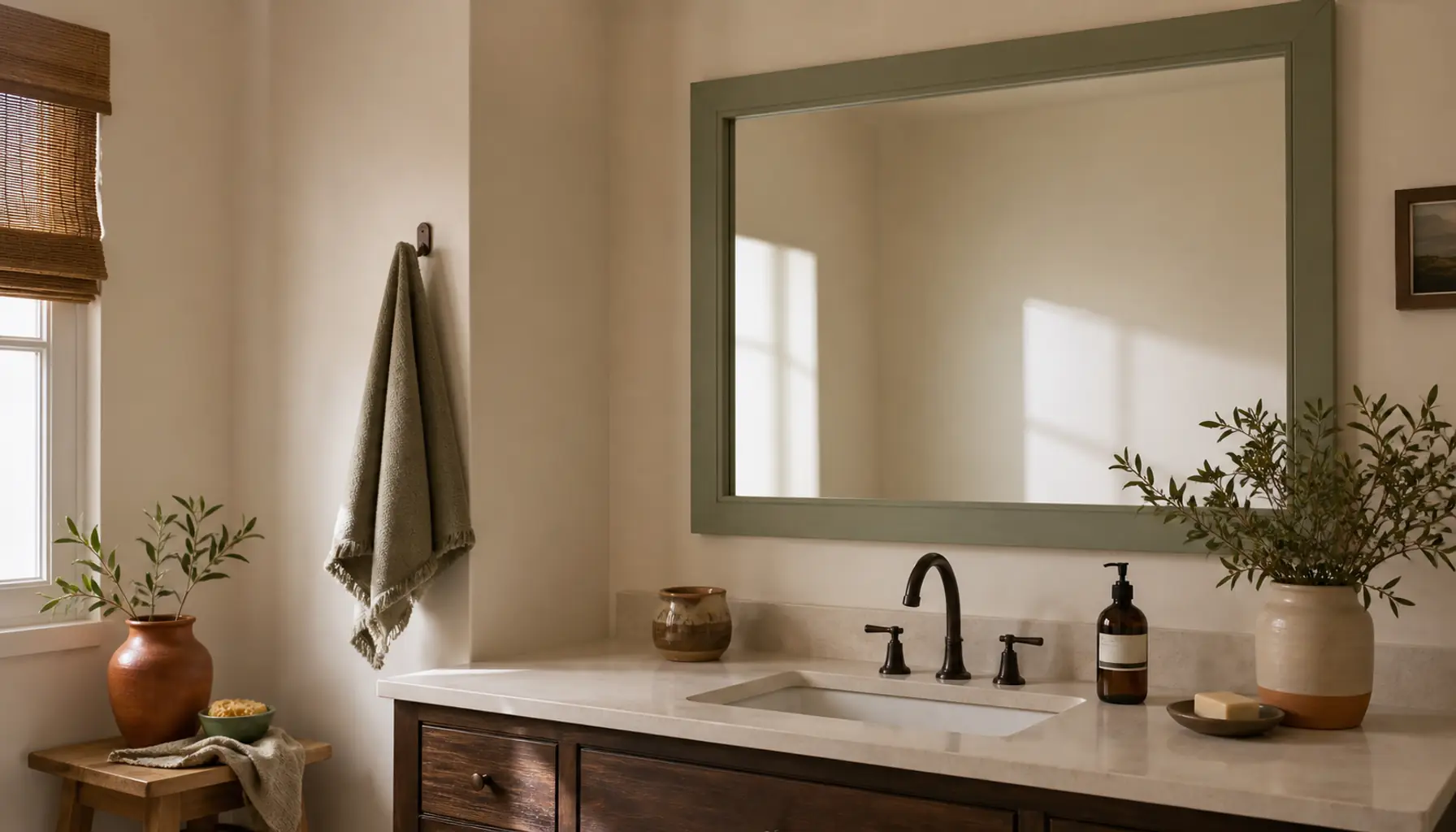
- $35 for cushion covers or a throw that adds color and texture.
- $30 for storage that solves one visible problem.
- $25 for paint samples, hardware, or a small DIY fix.
- $15 held back for the thing you only notice after starting.
That last line matters more than it looks. Almost every refresh reveals a small surprise once you begin, like a scuffed switch plate or a curtain that never hung right. Keeping a little back means that surprise becomes a quick fix instead of a reason to stop.
Shop your home first
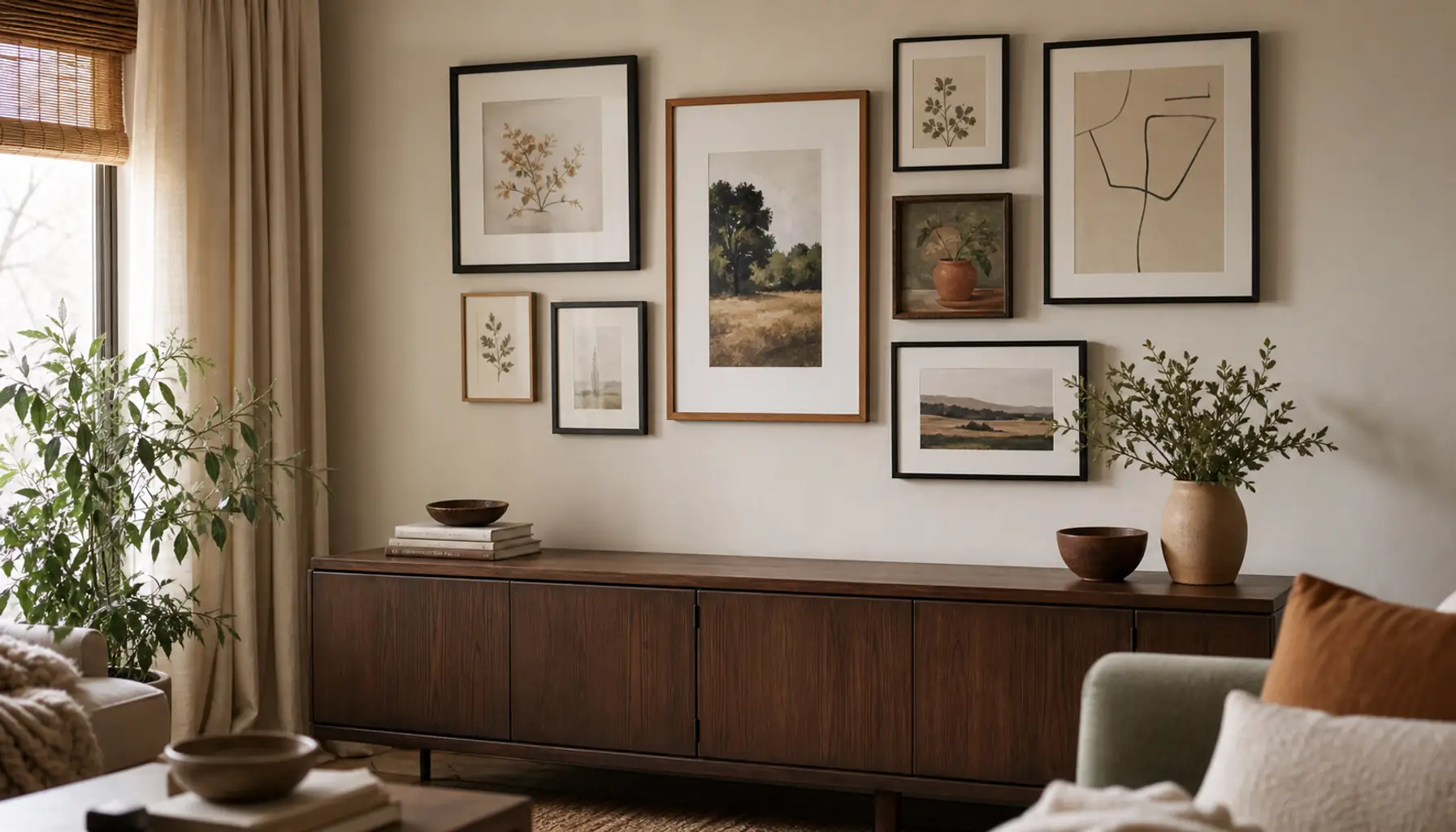
Before you spend anything, walk through the rest of your home and move things around. Carry a lamp from the bedroom into the living room. Swap art between two walls. Move a basket, a plant, or a stack of cushions into a room that feels bare. A free move often reveals what is actually missing, and sometimes it turns out nothing is.
This step does two useful things. It shows you what your rooms already have to offer, and it stops you from buying a duplicate of something sitting unused ten feet away, when a quick DIY refresh of what you own would do the job. Give yourself a full day with the new arrangement before deciding. A change can feel strange at first and right by evening.
Measure and plan before you spend
It is easy to lose part of your budget to guesswork. A cushion cover in the wrong size, a lamp that swamps a side table, a rug that stops just short of the sofa. A few minutes with a tape measure protects the money you have.
Write down the sizes that matter before you shop: the seat cushions, the table surface, the wall you want to fill. Note the colors already in the room so a new textile works with them instead of fighting. Planning is not the exciting part, but it is what keeps the plan realistic.
Do not buy filler
If an item has no job and no emotional pull, leave it on the shelf. Filler is the quiet enemy of a small budget, because it feels productive in the moment and does nothing for the room later. Every dollar spent on something that just fills a gap is a dollar not spent on the lamp or the storage that would have changed how the space feels.
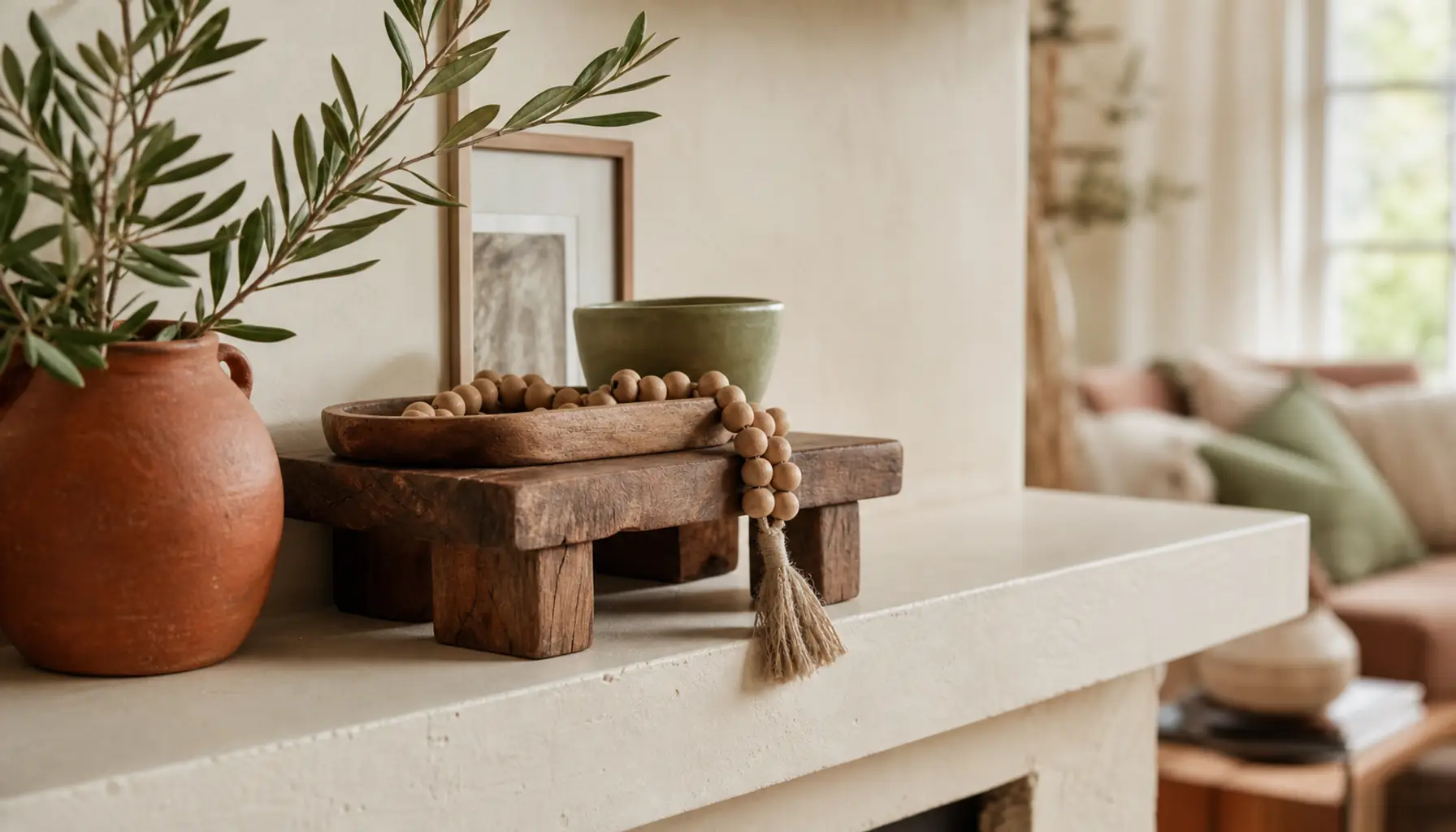
Empty space can be part of the refresh. A clear surface or a bit of breathing room around a chair often reads as calm and considered. You do not have to fill every corner to make a room feel finished.
Give it time before the next round
Once you have made your changes, live with the room for a couple of weeks before spending anything left over. Rooms settle. What felt unfinished on day one often feels right once you have used the space through a few ordinary days and evenings.
If something still nags at you after that, you will know exactly what it is, and you can spend the last of the budget with confidence. A good refresh is not about doing everything at once. It is about a handful of changes you actually feel, made in an order that lets each one earn its place.