Before You Buy: When DIY Beats New
How to decide whether to repair, refresh, upcycle, or buy new for a home project.

· 4 min read
The moment something in your home starts to annoy you, the easiest fix feels like buying a replacement. But new is not always better, and it is rarely cheaper. Before you spend, it helps to slow down and ask a few honest questions. Most of the time the answer is not "keep it forever" or "throw it out," but something quieter in between.
Ask what is actually bothering you
Is the item broken, the wrong size, the wrong colour, or just surrounded by clutter? Buying new only helps if it solves the real problem. A sofa that feels dated might simply be sitting in bad light, or crowded by a coffee table that is too big for the space. A wobbly chair might need one screw tightened, not a trip to the store.
Try naming the problem in a single sentence. "The bookshelf is too short for my books" points toward a real replacement. "I'm bored of looking at it" points toward paint or a new arrangement. This matters because a purchase aimed at the wrong problem leaves you with the same frustration and less money. When you can say clearly what is wrong, the right fix usually becomes obvious.
DIY wins when the shape is right
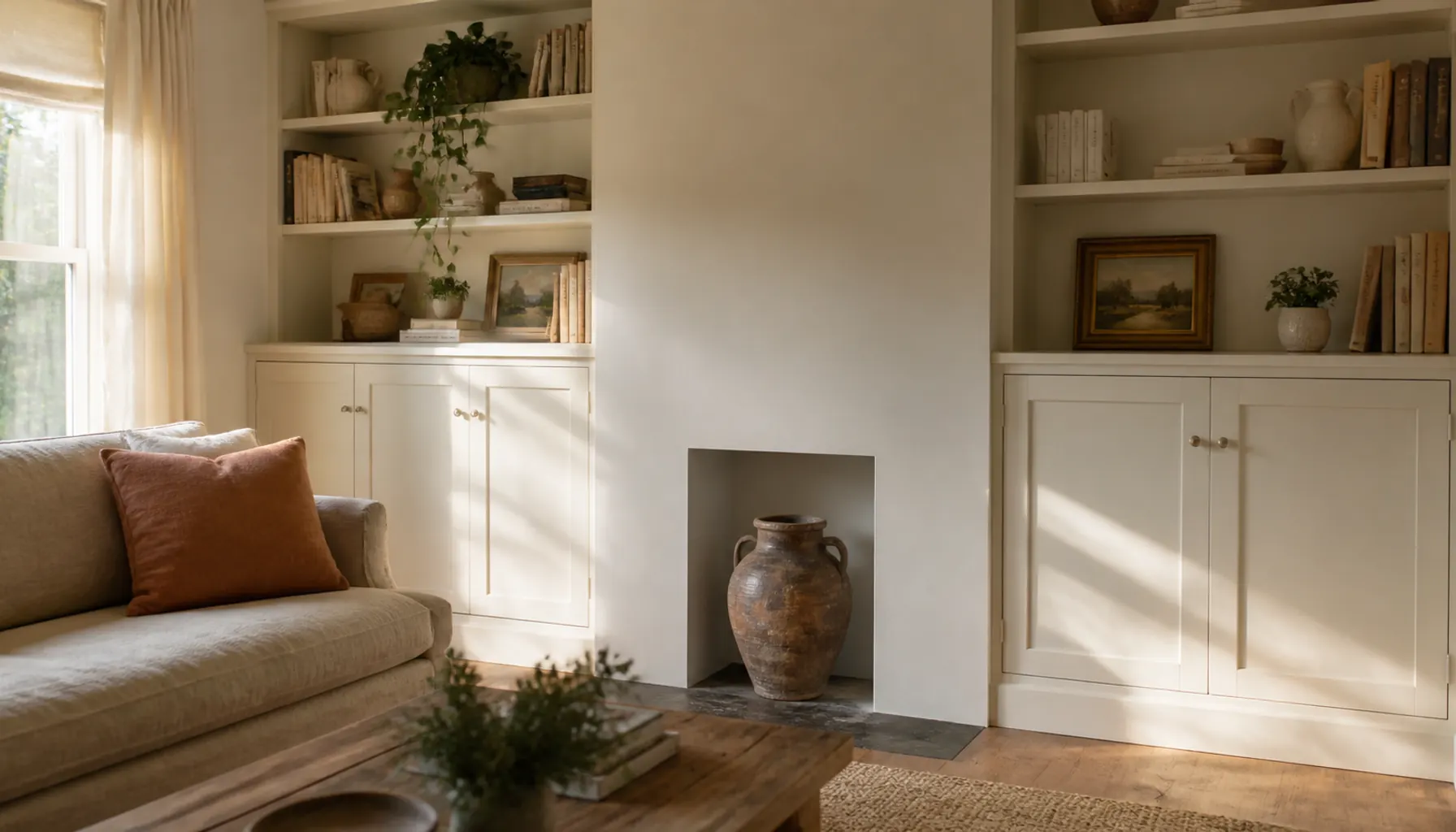
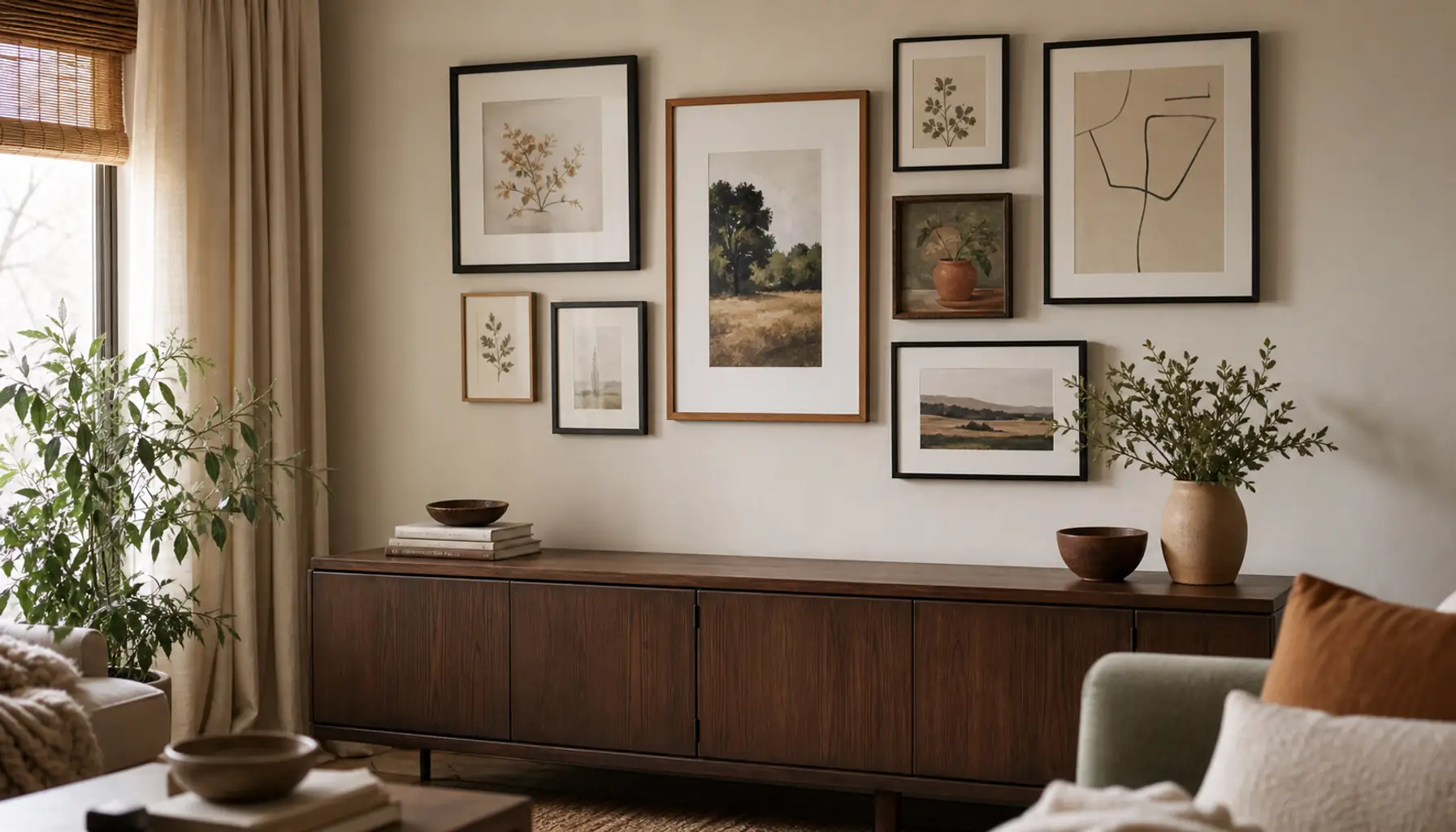
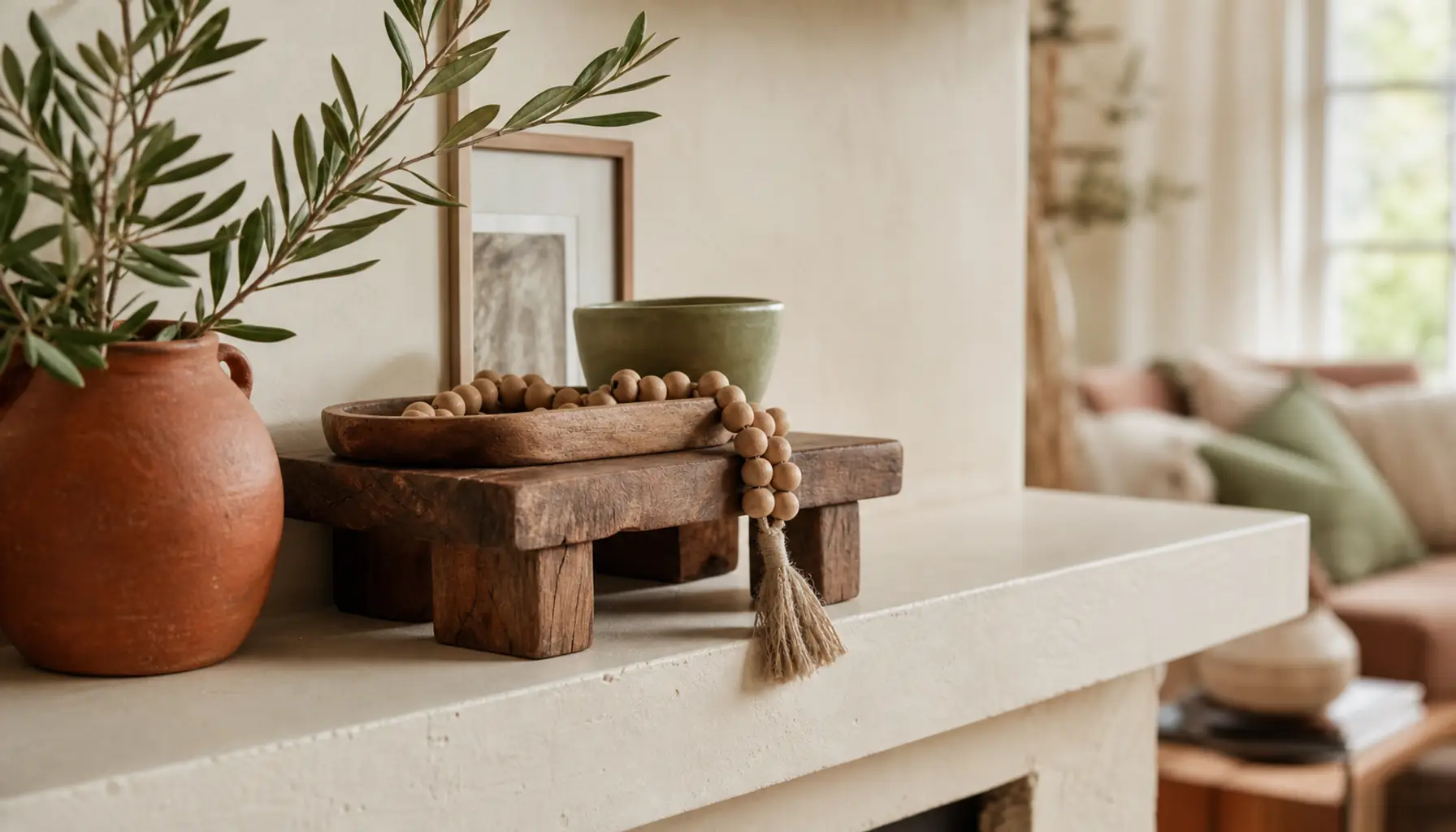
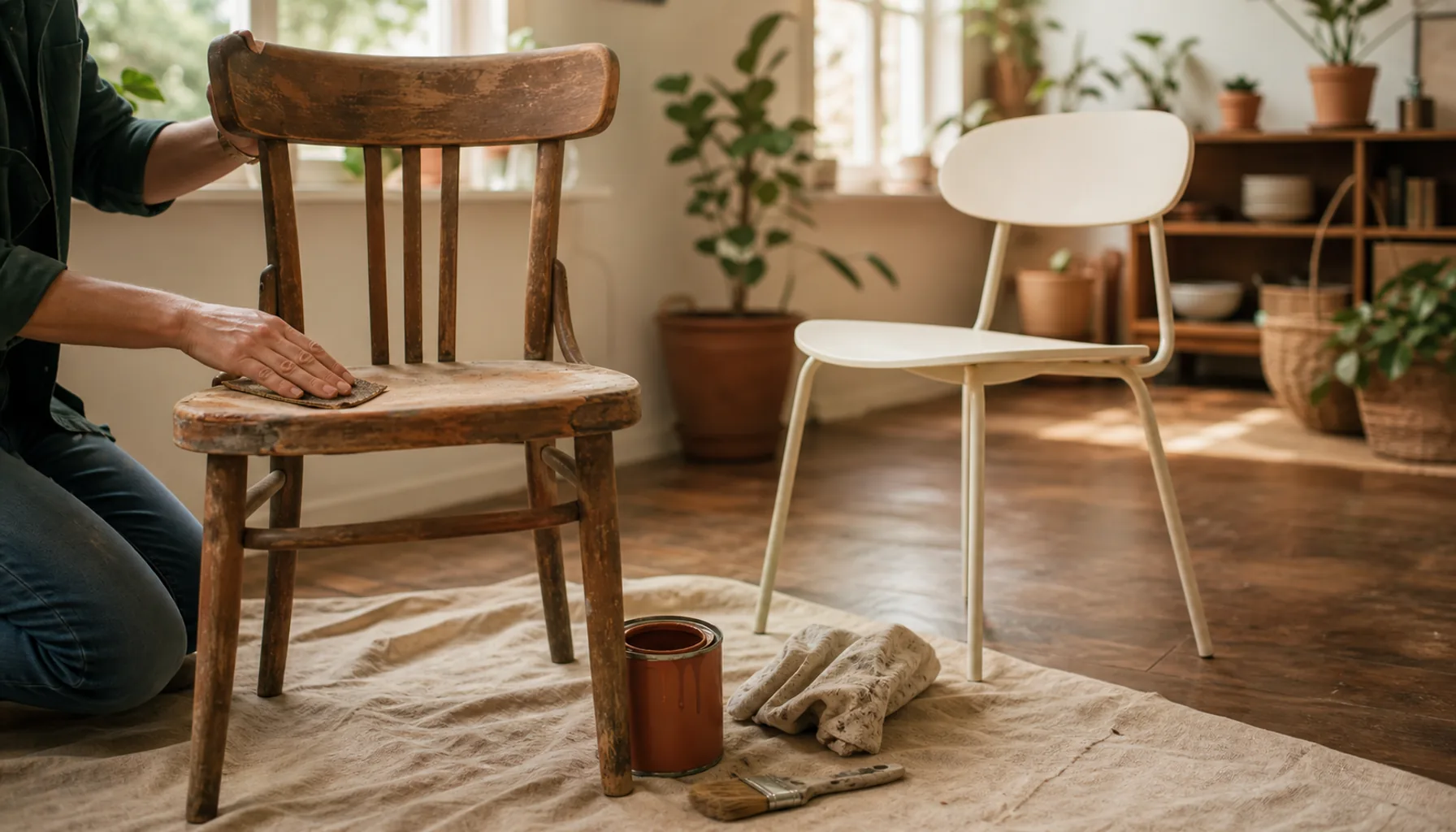
If the piece fits the room, functions well, and only looks tired, a fresh coat of paint, new hardware, or better styling may be enough. The bones of furniture, solid frames, decent joints, real wood or sturdy metal, are the expensive part, and they are exactly what stays good long after the finish fades.
Small changes go a long way here:
- Swapping drawer pulls or cabinet knobs
- A coat of paint or a fresh stain
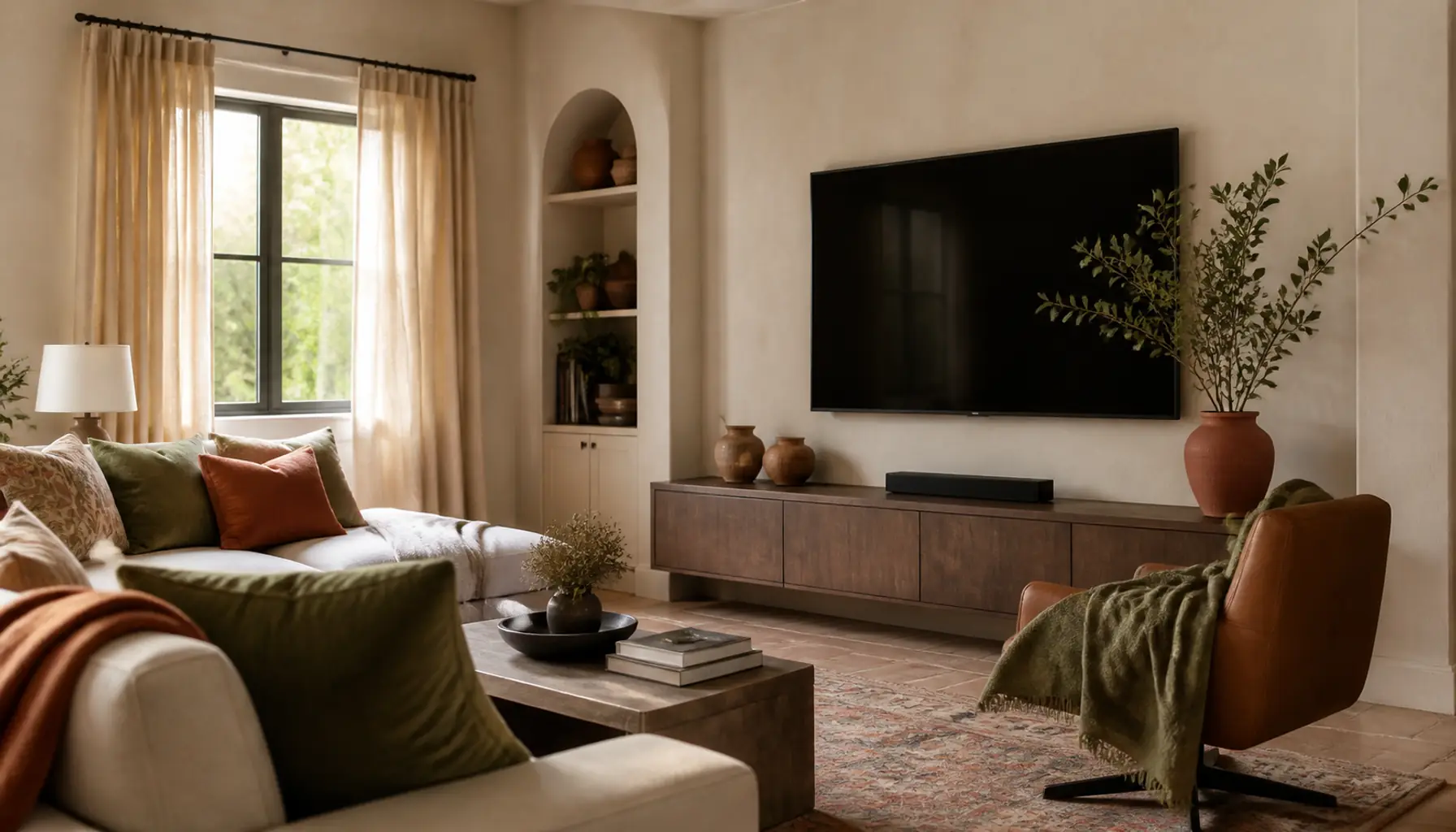
- New cushion covers instead of a new sofa
- Moving a piece to a room where it fits better
Older items are often built more solidly than budget replacements you would buy today. Refreshing what you own keeps that quality and skips the wait, the delivery, and the disposal of the old piece. The result also feels more personal, because it carries a bit of your effort with it.
Buy new when safety or comfort matters
Mattresses, office chairs, electrical fixtures, and damaged load-bearing furniture deserve more caution. Saving money is not worth daily discomfort or risk. A mattress that hurts your back costs you sleep every single night, and no clever fix changes what has broken down inside it.
The same goes for anything with a safety role. Frayed wiring, a cracked chair leg holding your weight, a shelf bracket pulling out of the wall, these are not places to improvise. If a repair would only be a patch over a weak point, or if you would not fully trust the result, buying new is the sensible choice. Comfort and safety are the areas where spending money is genuinely worth it.
Count time honestly
A cheap DIY project can become expensive if it needs tools, repeated mistakes, and a full weekend you did not have. Add up everything: the paint or parts, any tool you have to buy or borrow, and the hours you will actually spend, including the learning and the do-overs.
Be honest about your patience too. Some projects are relaxing and satisfying. Others turn into a half-finished job that sits in the garage for months, which is its own kind of cost. If the numbers and the time land close to the price of buying new, and the DIY version carries more stress, there is no shame in buying. The goal is a home you enjoy, not a badge for doing it yourself.
Consider upcycling and second-hand
Between repairing what you own and buying new sits a middle path worth checking. A second-hand piece with good bones can often be refreshed for far less than a new one, and it keeps something usable out of the landfill. Look for solid construction first and worry about the finish second, since the finish is the easy part to change.
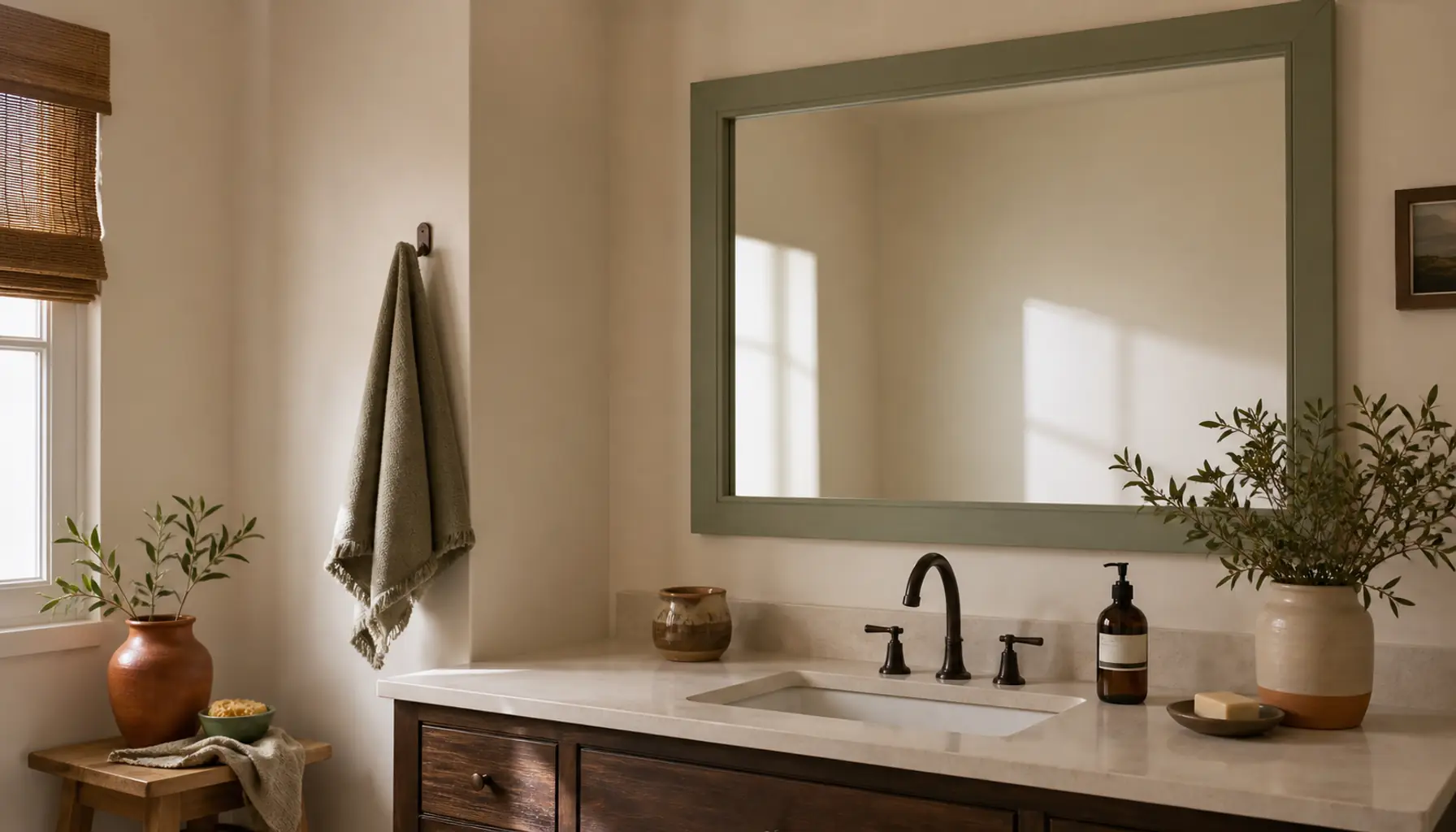
Upcycling a piece yourself also lets you get a size or style that is hard to find new. An old dresser can become bathroom storage; a sturdy door can become a desk. These projects work best when you start with quality and a clear plan, rather than rescuing something just because it is free.
Use a pause rule
Wait 48 hours before buying replacement furniture. In that pause, measure, price the DIY option, and check whether moving the item changes the room. Often the urge to buy fades once the first frustration passes, and you see the piece with calmer eyes.
Use the time to gather facts, not just feelings. Write down the measurements, the cost of each option, and how the space looks after a small rearrangement, so you end up with a real plan you can afford. A short delay costs you nothing and protects you from a purchase you would quietly regret.
The quiet bottom line
Most homes do not need more things; they need the right things, in the right places, working the way they should. When you match the fix to the actual problem, you spend less, waste less, and end up surrounded by pieces you chose on purpose. Buy new when it truly earns its place, and let DIY handle the rest.