In this article
- Key Takeaways
- Think Like a Designer Before You Buy Anything
- Begin With a Plan: Layout and Focal Point
- Build Your Bedroom Color Palette
- Layer Your Lighting Like a Pro
- The Step-by-Step Guide to Decorating Your Bedroom
- Textiles, Texture, and the Finishing Layer
- Common Mistakes to Avoid
- Expert Tips Designers Rarely Share
- Frequently Asked Questions
- Bring It All Together
How to Decorate a Bedroom Like an Interior Designer
Learn how to decorate a bedroom like an interior designer, step by step: layout, color, lighting, textiles, and the finishing touches that tie it together.

· 10 min read
If you want to decorate a bedroom like an interior designer, the secret is not a bigger budget or a warehouse of furniture. It is a method. Designers work in a specific order, make a handful of decisions before they buy anything, and know which details quietly do the heavy lifting. Once you understand that order, a plain, mismatched room turns into a space that feels calm, layered, and deliberate. This guide walks you through exactly how the pros approach a bedroom, step by step, so you can copy the process at any budget.
Key Takeaways
- Designers plan the layout and focal point before shopping, not after.
- A tight color palette of three to five tones does more than any single expensive piece.
- Layered lighting at different heights is what separates a "styled" room from a flat one.
- Textiles and texture add the warmth that paint and furniture alone cannot.
- Negative space is a design choice; an empty corner can be intentional, not unfinished.
- The finishing layer, art, plants, and personal objects, is what makes a room feel like yours.
Think Like a Designer Before You Buy Anything
To decorate a bedroom like an interior designer, you start with questions, not purchases. A designer walks into a room and asks how it should *feel* and *function* before choosing a single item.
Spend ten minutes deciding three things:
- The mood. Restful and minimal? Warm and layered? Airy and bright? Pick one direction and let it guide every later choice.
- The function. Is this only for sleep, or also for reading, working, or getting dressed? Function decides your furniture list.
- The anchor. What is the one element the room will be built around, usually the bed, sometimes a window or a fireplace?
Writing these down keeps you from impulse-buying a trendy piece that fights the rest of the room. Almost every cluttered, "off" bedroom is the result of decorating without this step.
Begin With a Plan: Layout and Focal Point
The layout is the foundation of the whole room, so settle it first. The bed is your largest object and your natural focal point, so place it before anything else.
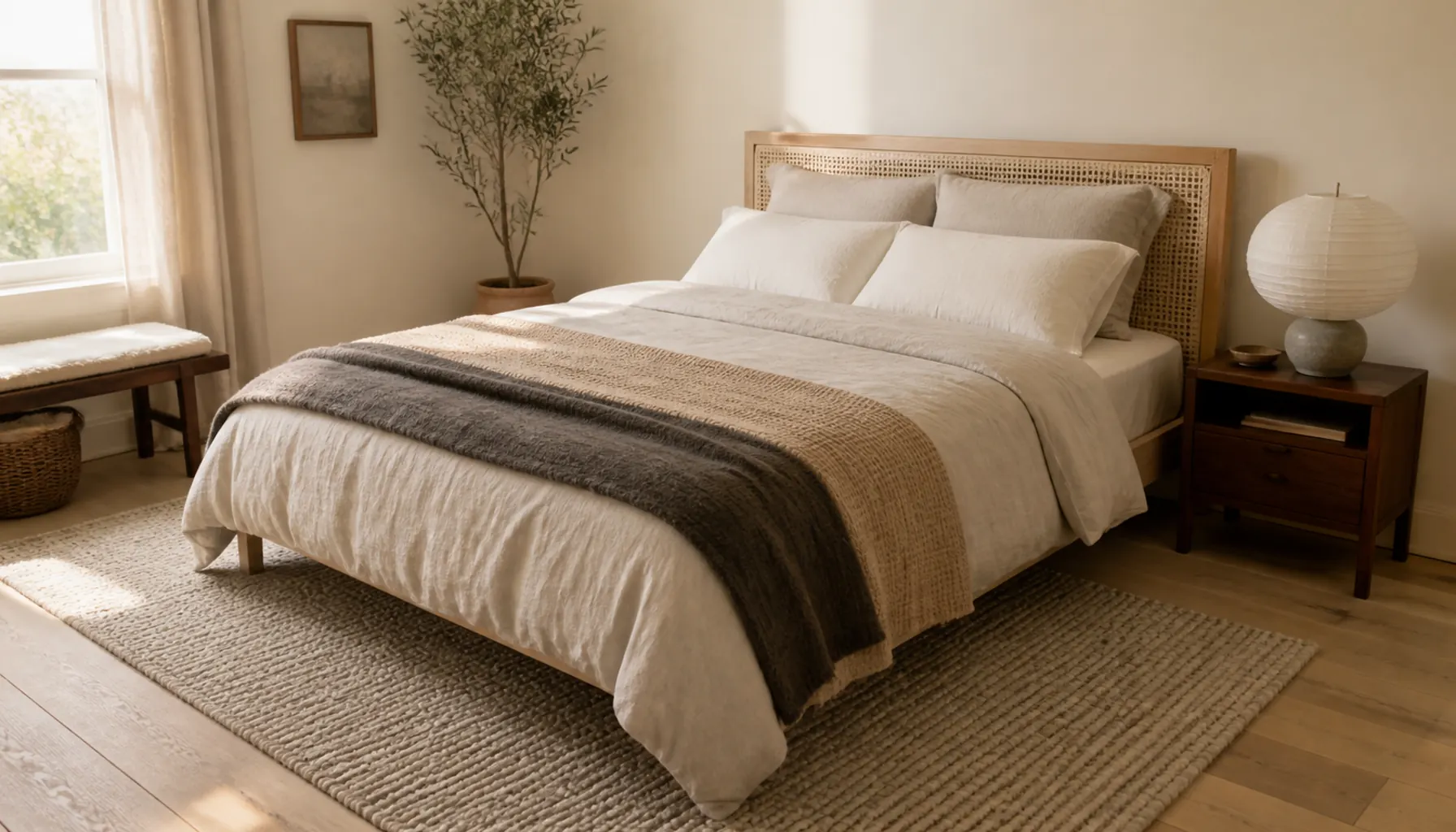
Center the bed on the longest uninterrupted wall when you can, ideally the wall you see first from the door. This gives the room symmetry and a clear sense of order, the same instinct that makes hotel rooms feel resolved. Leave a walking path of at least 60 to 75 cm on the sides you use.
A few layout rules designers rely on:
- Balance the bed with a matching pair of nightstands and lamps; symmetry reads as "designed."
- Keep tall furniture on the same wall so the room does not feel lopsided.
- Do not push every piece against the walls, a small gap creates a more intentional look.
If your room is tight, the placement logic shifts a little, and our small bedroom ideas for calm, spacious rooms covers how to keep the floor visible and the layout breathing.
Build Your Bedroom Color Palette
A bedroom color palette should be limited to three to five tones that repeat around the room. This restraint is the single biggest thing amateurs skip and designers never do.
Use a simple ratio as your guide:
- 60% a dominant neutral (walls, large furniture)
- 30% a secondary tone (bedding, curtains, a rug)
- 10% an accent (pillows, art, a throw)
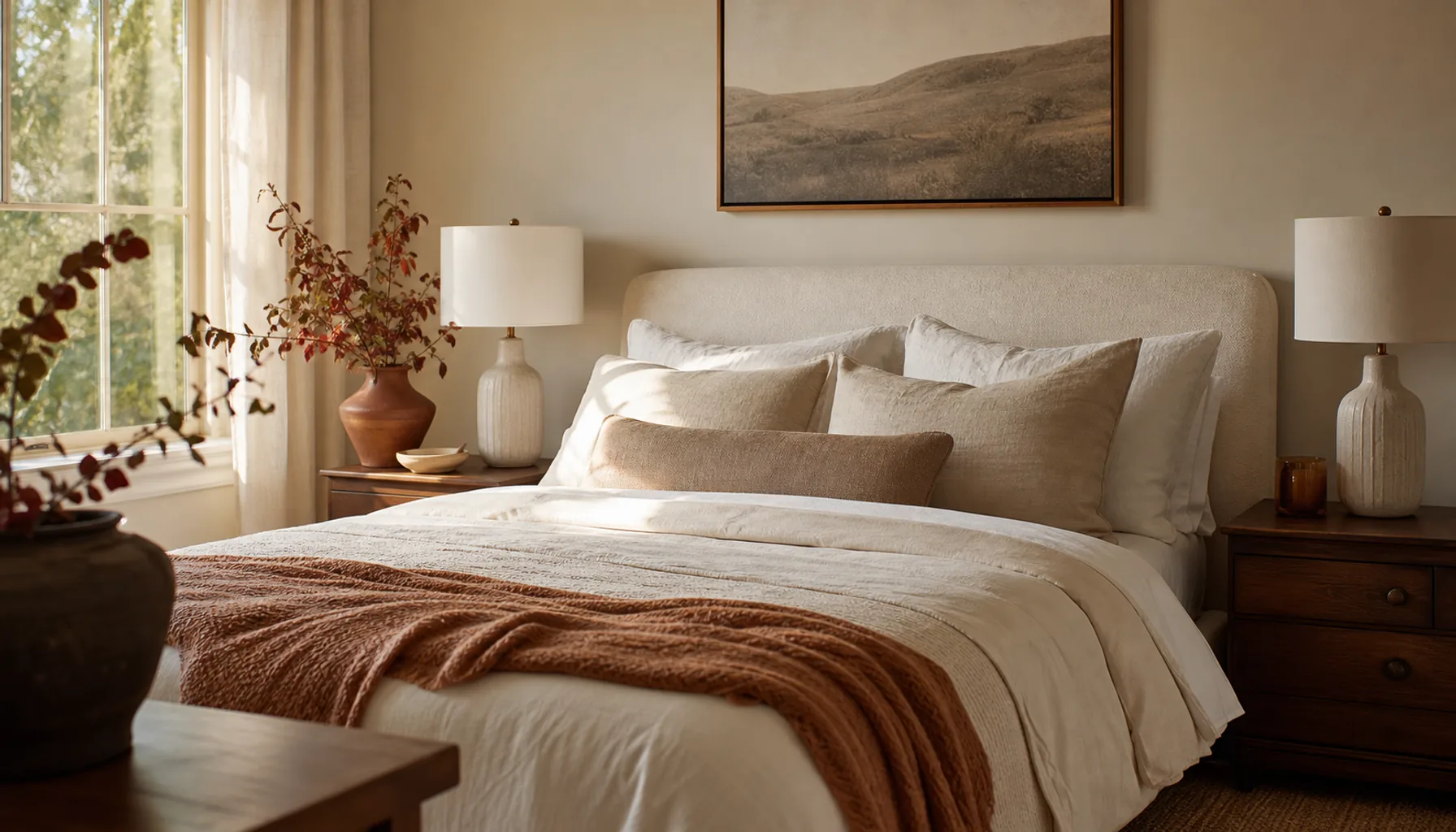
For bedrooms, lean into soft, restful tones, warm whites, greige, muted sage, dusty terracotta, or soft blue. Save high-contrast, saturated colors for small accents. If you want a warm, grounded scheme, styling with terracotta and neutrals is a reliable starting point, and the same palette-building logic in our guide to choosing a color palette applies room to room.
A designer trick: pull your palette from one object you already love, a rug, a piece of art, a favorite blanket, and repeat those exact tones elsewhere. The room instantly feels coordinated.
Layer Your Lighting Like a Pro
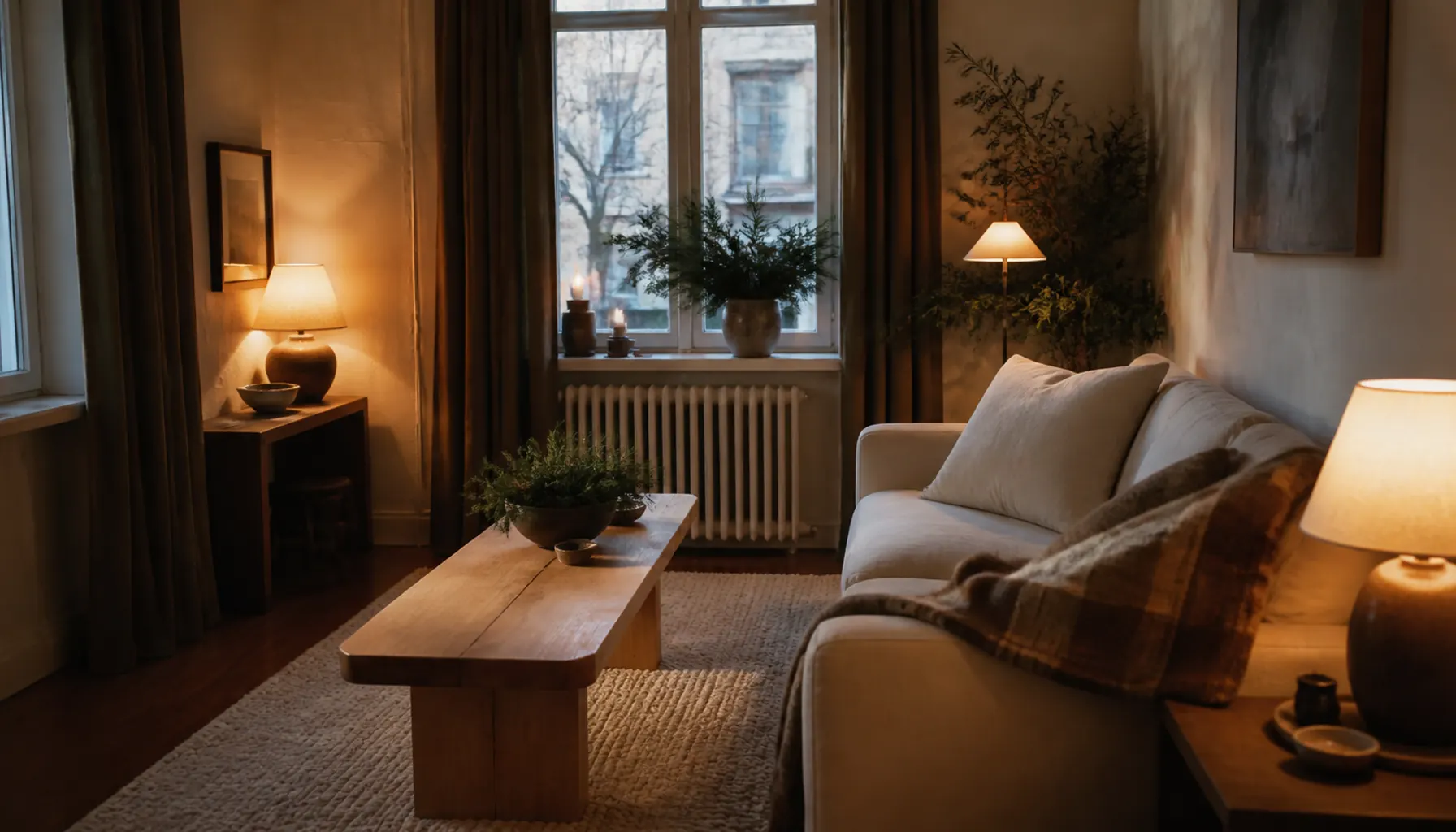
Good lighting means at least three sources at different heights, never a single ceiling bulb. Flat overhead light is the fastest way to make a bedroom feel like a waiting room.
Aim for three layers:
- Ambient: the general glow (ceiling fixture or a dimmer-controlled main light).
- Task: bedside lamps or wall sconces for reading.
- Accent: a small lamp, warm string lights, or an uplight to fill a dark corner.
Choose warm bulbs around 2700K for a restful feel, and add a dimmer if you can, it is the cheapest upgrade with the biggest payoff. Cold, blue-white light flattens texture and kills the mood. If your room feels chilly or unwelcoming, you may be repeating one of these common lighting mistakes.
The Step-by-Step Guide to Decorating Your Bedroom
Here is the exact order designers follow. Working in sequence keeps you from redoing decisions later.
Step 1: Clear and Measure the Room
Empty the space as much as you can and measure the room, doors, and windows. A quick sketch with measurements prevents the classic mistake of buying furniture that does not fit or blocks a door swing.
Step 2: Set the Layout
Place the bed and large furniture on your sketch first. Decide the focal point and the walking paths before you commit to anything. Move things on paper, it is free.
Step 3: Lock In the Palette and Paint
Paint before furniture arrives; it is far easier with an empty room. Choose your 60/30/10 tones now so every later purchase has a target to match.
Step 4: Bring In the Large Pieces
Add the bed, nightstands, and dresser. Get these anchored and squared away before you think about anything decorative.
Step 5: Layer the Lighting
Install or position your three light sources. Test them at night, not just in daylight, so you know how the room actually feels when you use it.
Step 6: Add Textiles
Layer bedding, a rug, and curtains. This is where the room starts to feel soft and finished rather than staged.
Step 7: Style the Finishing Layer
Hang art at eye level, add a plant or two, and place a few personal objects. Then stop before it feels crowded, restraint is part of the design.
Textiles, Texture, and the Finishing Layer
Texture is what makes a neutral room feel rich instead of boring. When colors are quiet, the interest has to come from how surfaces feel.
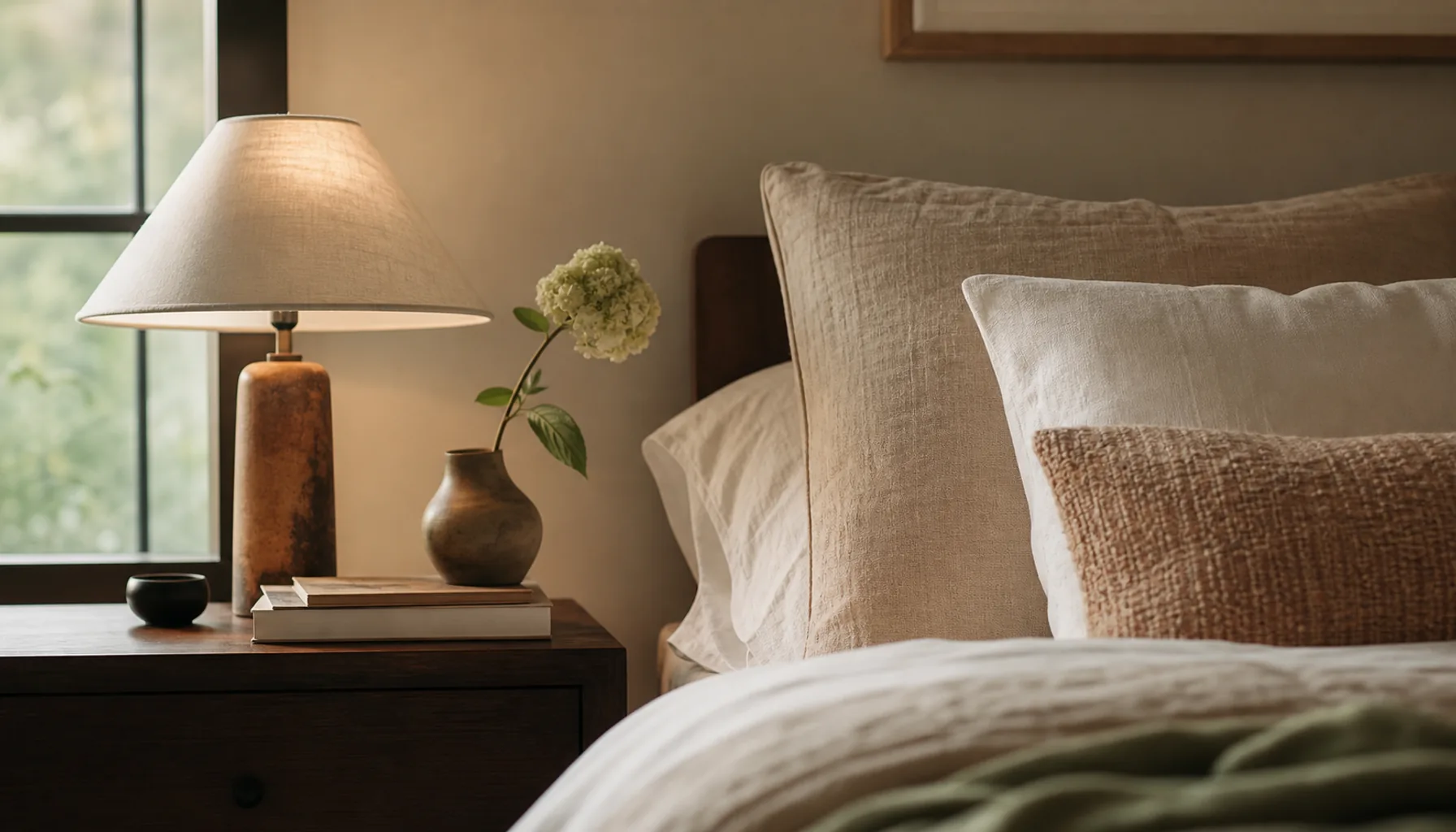
Mix at least three textures, for example linen bedding, a chunky knit throw, and a wool or jute rug. Combining smooth, soft, and rough surfaces adds depth the eye reads as "layered." If this is new to you, a beginner's guide to mixing textures breaks down easy, foolproof pairings.
A few finishing-layer essentials:
- Rug: size it so it extends at least 45 to 60 cm beyond the sides of the bed. Getting this wrong is common, so our rug sizing guide is worth a look.
- Curtains: hang them high and wide to make windows feel larger; how to hang window treatments right covers the exact measurements.
- Headboard: a strong headboard instantly elevates a bed, and you can make one yourself with these DIY headboard ideas for any budget.
- Art: a gallery wall over the bed adds personality without clutter when it is planned instead of guessed.
Common Mistakes to Avoid
Most bedroom mistakes come from decorating out of order or trying too hard. Here are the ones designers see most.
- Buying furniture first. This locks you into a layout and palette by accident. Plan, then shop.
- Too many colors. More than five tones reads as busy. Edit down and let a few repeat.
- One harsh ceiling light. It flattens everything. Layer your light instead.
- An undersized rug. A small rug floating under the bed makes the whole room feel smaller. Go bigger than you think.
- Over-styling every surface. Empty space is restful. Leave some nightstand and floor visible.
- Ignoring storage. Clutter undoes good design fast; a solid closet organization system and smart storage ideas that actually work keep the calm look intact.
Each of these happens because decorating feels like it should start with the fun part, shopping. Reversing that instinct is most of the battle.
Expert Tips Designers Rarely Share
These are the small, non-obvious moves that make a room look professionally finished.
- Hang art low. In a bedroom you are usually sitting or lying down, so hang pieces a touch lower than gallery height, around 145 cm to the center.
- Match your metals, mostly. Keep hardware, lamp bases, and frames in one or two metal finishes for a cohesive look, then break the rule once on purpose.
- Buy the biggest rug you can. Designers almost never regret going larger; it makes furniture feel connected and the room feel intentional.
- Give the eye a place to rest. One calm, uncluttered zone makes the styled areas look more deliberate.
- Style in odd numbers. Groupings of three or five objects look more natural than pairs or even rows.
- Photograph the room. A phone photo flattens the space and instantly reveals what is unbalanced or cluttered.
Frequently Asked Questions
How do you decorate a bedroom like an interior designer on a budget?
Start with what you already own and focus spending where it shows most: paint, bedding, and lighting. A fresh wall color, layered light, and quality bedding transform a room for very little. Shop secondhand for larger pieces, and add texture with affordable throws and cushions rather than expensive furniture.
What should I decorate first in a bedroom?
Decorate in order: clear and measure the room, plan the layout, paint, add large furniture, then layer lighting, textiles, and finishing touches last. Starting with layout and paint, before buying furniture or decor, prevents costly mistakes and keeps every later choice consistent with your palette and plan.
How many colors should a bedroom have?
Aim for three to five tones total. Use a dominant neutral for about 60% of the room, a secondary tone for 30%, and a bold accent for the final 10%. Repeating this limited palette around the space is what makes a bedroom feel coordinated instead of chaotic.
Where should the bed go in a bedroom?
Place the bed on the longest uninterrupted wall, ideally the first wall you see from the door, with clear walking space on both sides. Centering it creates symmetry and a natural focal point. In very small rooms, a corner placement can free up floor space while keeping the layout functional.
What makes a bedroom look expensive?
A cohesive color palette, layered warm lighting, a generously sized rug, and quality textiles make a bedroom look expensive. Symmetry, matched nightstands and lamps, and restraint, leaving some empty space, add to the polished effect. Cohesion and layering matter far more than the price of any single item.
How do I make a small bedroom feel bigger?
Use light, warm tones, keep furniture legs visible, hang curtains high and wide, and reduce clutter so the floor stays visible. Mirrors and a single tonal palette also expand the sense of space. Prioritize storage so surfaces stay clear, which keeps a small room feeling calm and open.
How long does it take to decorate a bedroom?
A focused refresh, paint, bedding, lighting, and styling, can be done in a weekend. A full redesign involving new furniture usually takes two to four weeks, mostly waiting on deliveries. Working in the designer sequence keeps the project moving and prevents rework that stretches the timeline.
Bring It All Together
Decorating a bedroom like an interior designer comes down to working in the right order: decide the mood, plan the layout, set a tight palette, layer your lighting, then finish with textiles and personal touches. None of it requires a designer's budget, only their patience and sequence. Pick one step to start with this week, measuring the room or choosing your palette, and let each decision build on the last. Your bedroom will feel calmer, warmer, and more intentional than you thought possible.
One useful home email a month
Real ideas to make your home work better. No spam, easy unsubscribe.