How to Choose a Color Palette for a Small Living Room
A calm way to pick colours for a small living room without making it feel crowded or flat.

· 4 min read
A small living room does not need a clever colour trick to feel good. It needs a few honest choices made in the right order. When you slow down and let the room tell you what it wants, the palette almost picks itself.
Start with the light you actually have
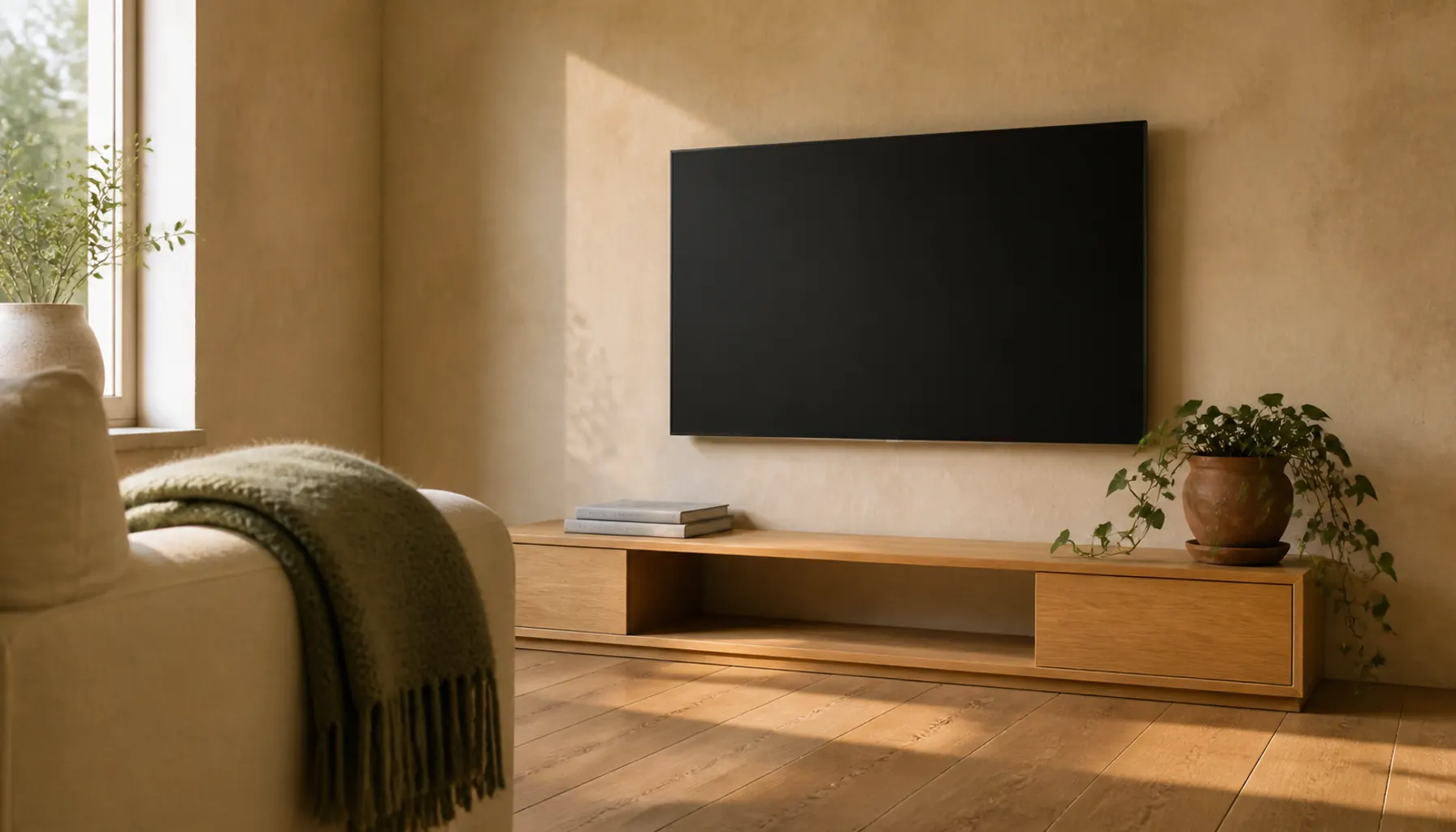
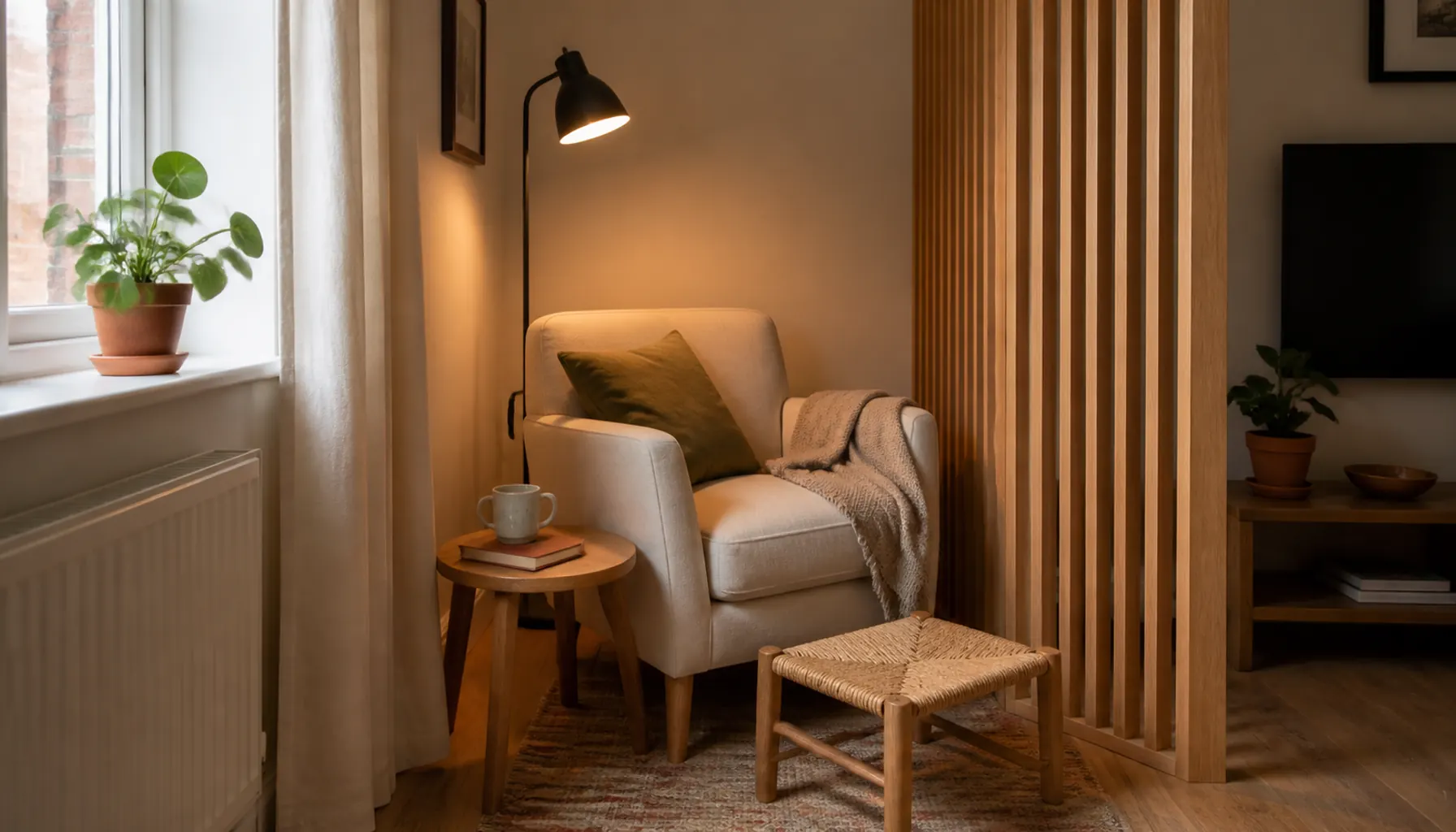
Small living rooms are honest. If the room gets low light, very cool whites can turn grey by afternoon. If the room gets strong sun, warm beige can become yellow. The same paint chip can look like three different colours over one day, so a single glance under the shop lights will not tell you much.
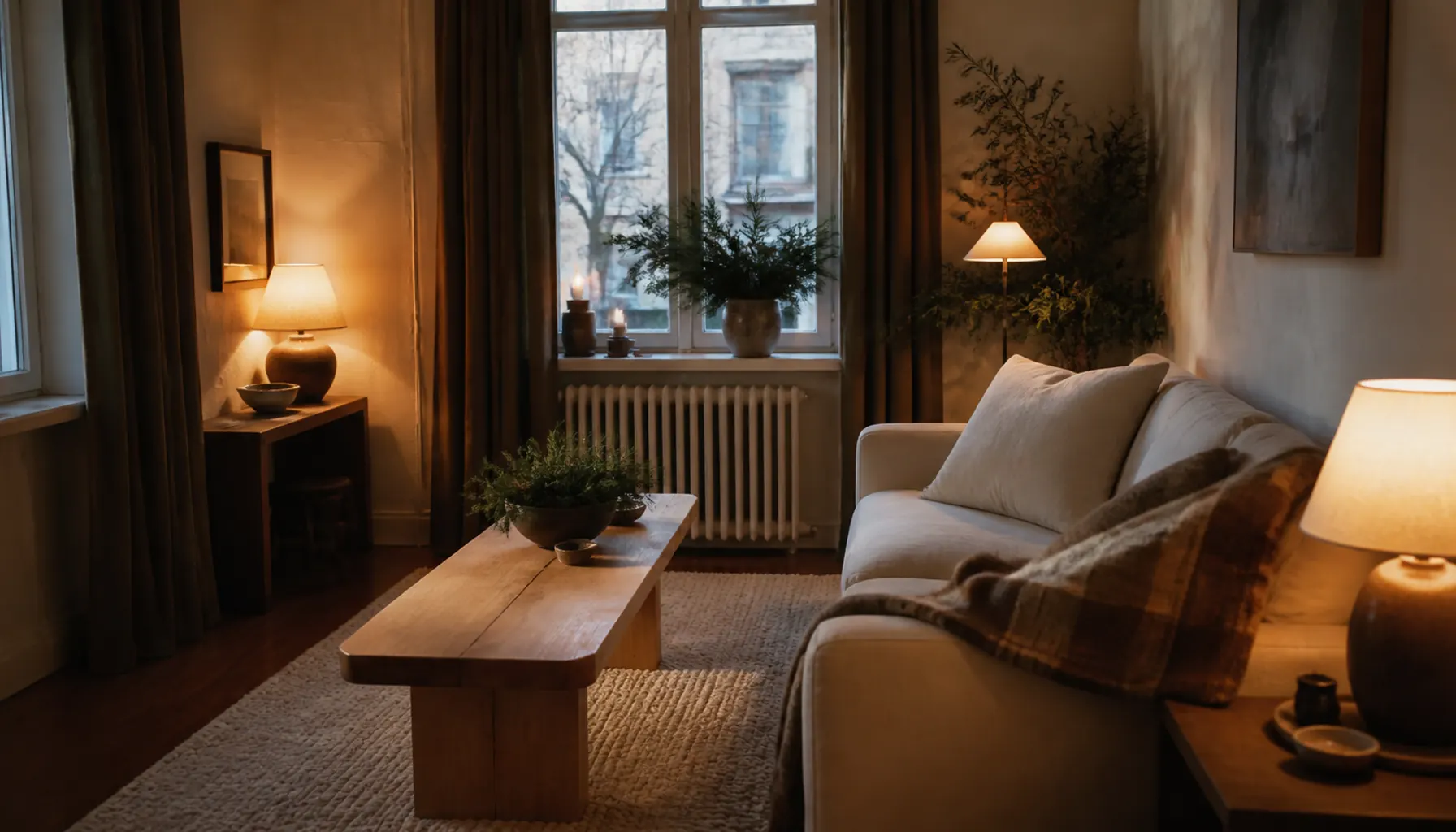
Look at your walls in the morning, late afternoon, and evening before choosing anything. Notice which direction your main window faces, since that shapes the mood more than most people expect. A room that faces the morning sun stays crisp and bright early, then cools down; a room facing the late sun stays warm and golden into the evening. If your room mostly gets weak, indirect light, lean toward colours with a little warmth in them so the space does not feel flat or damp. This matters because you are not really choosing a colour, you are choosing how that colour behaves in your particular room, since the way light changes how colours look can turn a warm choice cold by evening.
Pick one main colour and two helpers
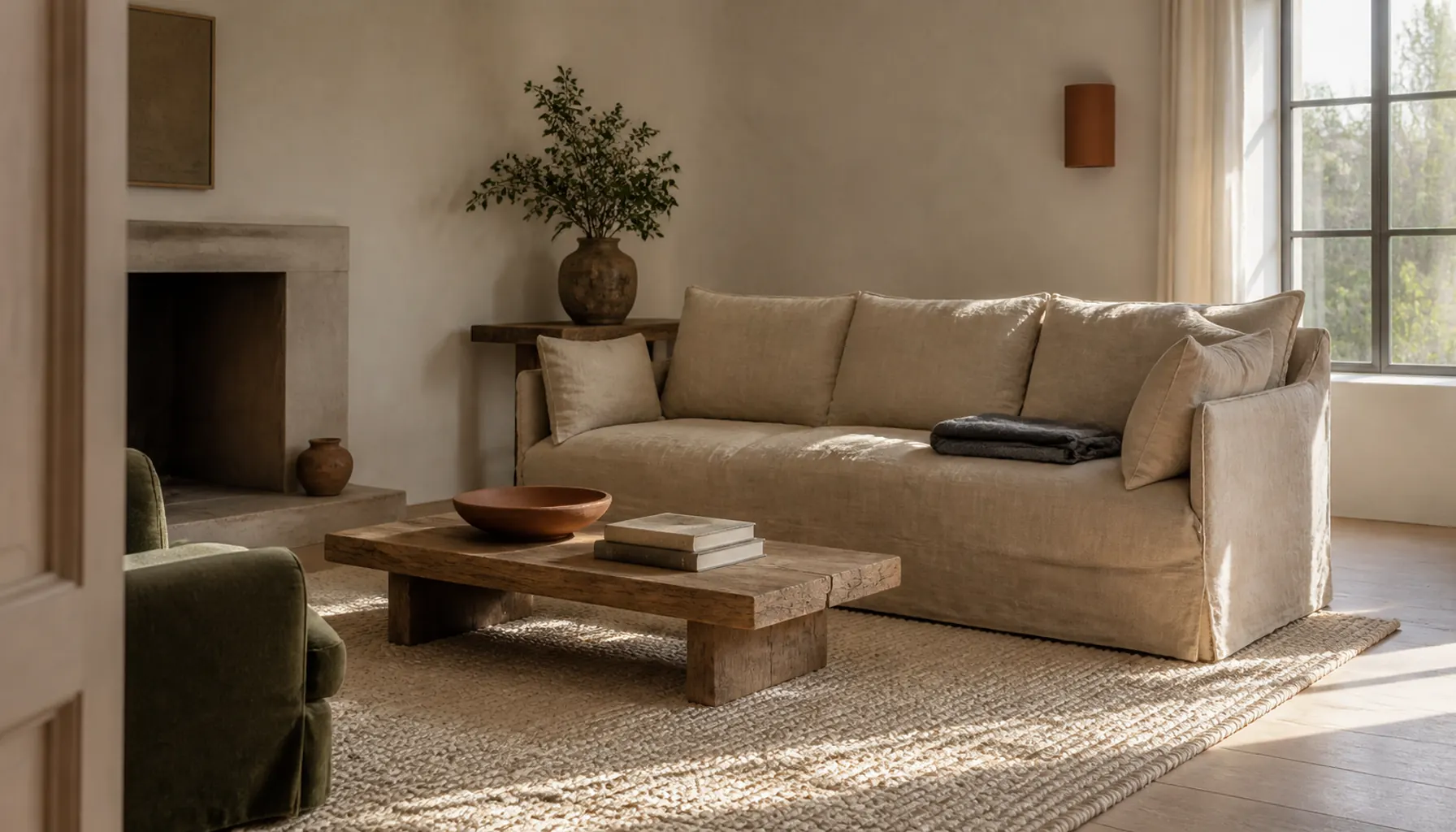
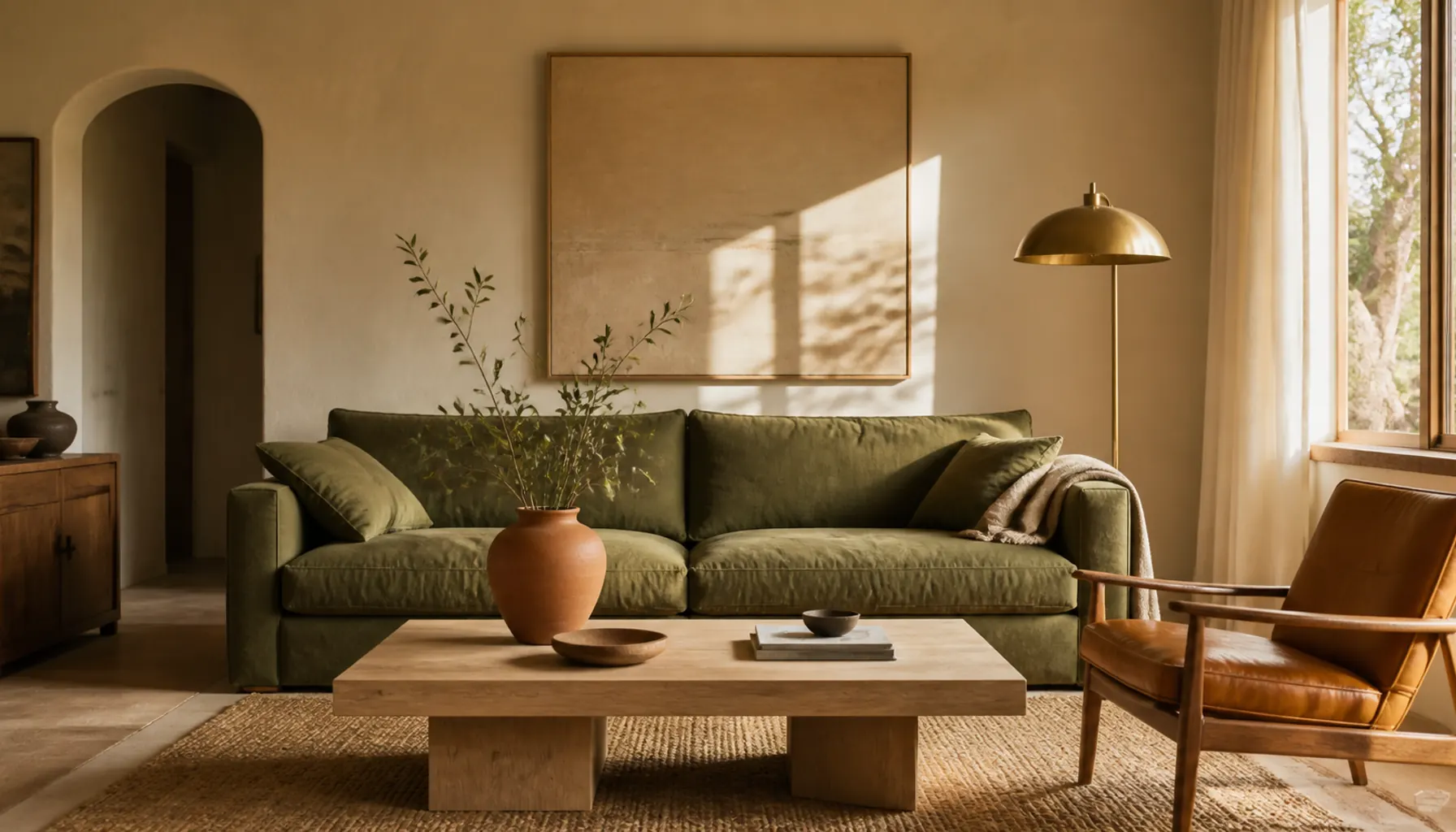
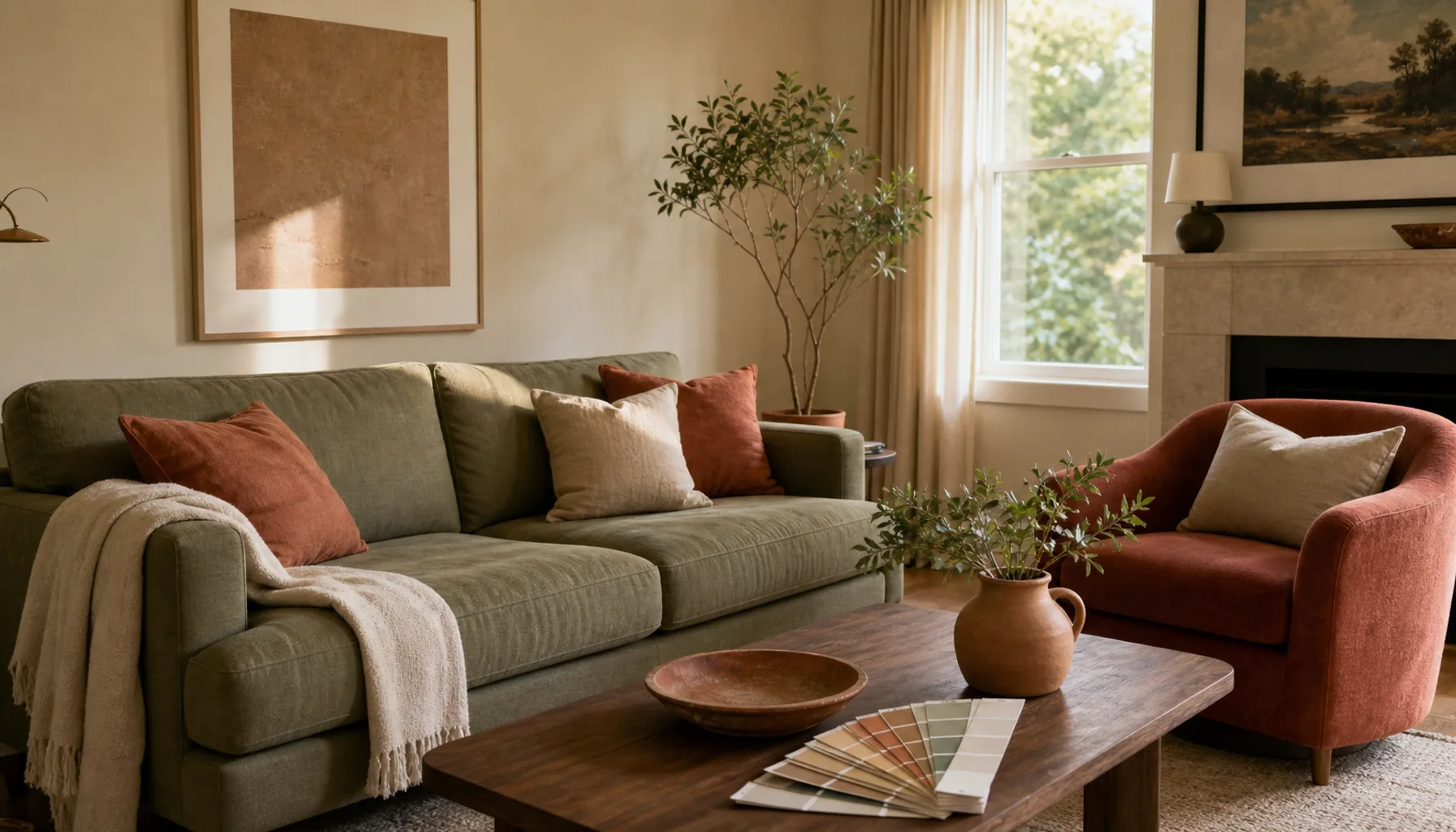
Use one quiet base for most of the room, one warmer accent, and one grounding dark tone. That might be cream walls, terracotta cushions set against warm neutrals, and espresso picture frames. Three colours are enough for the first pass.
Why does this work so reliably? The base gives your eyes somewhere to rest, the accent adds life, and the dark tone gives the room an anchor so it does not float. Think of it as roughly sixty percent base, thirty percent accent, and ten percent dark, though you do not need to measure it. If you find yourself wanting a fourth colour early on, pause. Most small rooms feel busier than the person living in them realises, and adding more colour usually makes the walls feel closer, not further away.
Repeat colours in small places
The room feels intentional when colours show up more than once. A sage cushion, a sage plant pot, and a sage book spine are better than one lonely accent chair. When a colour appears in three or four spots, your eye travels smoothly around the room and reads it as one connected space rather than a collection of separate objects.
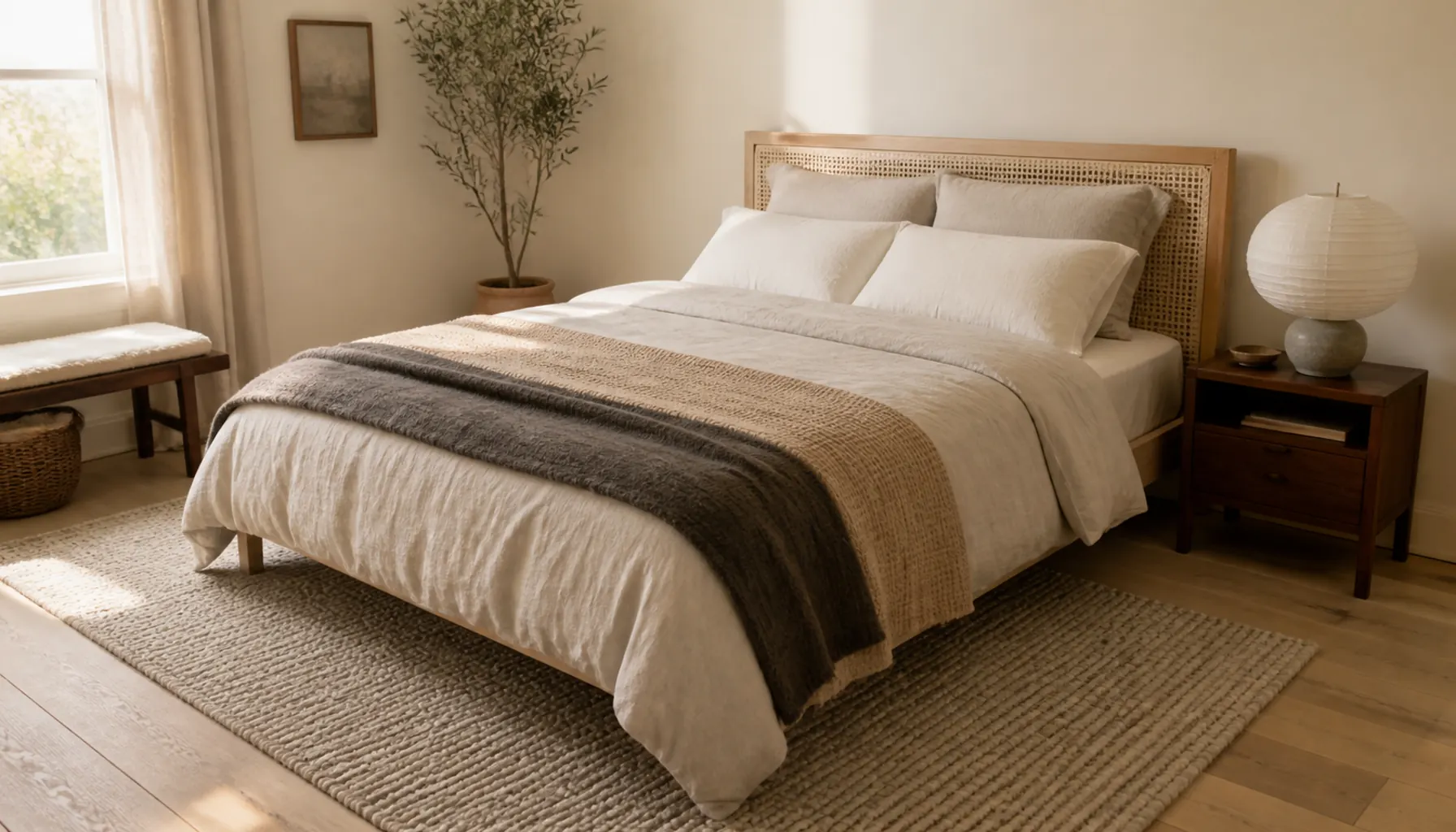
This is also the cheapest way to refresh a small room. You do not need new furniture to change the feeling; you need a few small things carrying the same tone. A throw, a candle, the binding of a book left on the table, a ceramic bowl, where mixing in a few different textures keeps the repeated colour from feeling flat. Spread them at different heights and across the room, not clustered in one corner, so the colour feels woven in rather than dropped in one pile.
Keep large pieces calm
For a small room, the sofa, curtains, and rug usually carry the most visual weight. If all three are loud, the room has no place to rest. Let one of them speak and keep the others quieter.
Large surfaces are hard and expensive to change, so they are the wrong place to take a colour risk. A bold patterned sofa can look wonderful for a season and tiring after a year, and in a small room you see it every time you walk in. A safer path is to keep the big pieces in soft, quiet tones and let your accents do the talking, since accents are easy to swap when your taste shifts. If you do want one large piece to stand out, choose it first and build the rest of the palette around it.
Think about the room next door
Small rooms rarely stand alone. You can usually see into the hallway, the kitchen, or the dining area from where you sit. If those spaces clash with your palette, the living room will feel smaller and more chopped up, because your eye keeps hitting a hard edge where the colours change.
You do not have to match everything. Just carry one shared tone across the doorway so the spaces feel related. A warm white that runs through both rooms, or a wood tone that repeats, is enough to make the whole floor feel larger and more settled.
Before you buy
- Paint a sample on cardboard and move it around the room.
- Photograph your existing furniture in daylight.
- Check that your palette works with the floor, because the floor is already a large colour block.
- Live with your top choice for a few days before committing.
A gentle final check
Once your palette feels close, sit in the room at your usual time of day and just look. If your eyes settle easily and nothing shouts for attention, you have it. A small living room done well feels calm and roomy, and that comes from restraint more than from the perfect shade.