The 15-Minute Declutter Method
A realistic decluttering routine for people who do not have a whole weekend to reset the house.

· 4 min read
Most decluttering advice assumes you have a free Saturday and a burst of energy that lasts all day. Real life rarely works that way. The fifteen-minute method is built for the days you actually have, small pockets of time that add up to a calmer home without wearing you out.
Choose one small zone
Do not declutter the kitchen. Declutter one drawer, one shelf, or one corner of the counter. A small finish builds trust with yourself.
Here is why that small scope matters so much. When you take on a whole room, your brain sees an endless job and looks for a reason to quit. A single drawer has a clear edge. You can see where it starts and where it ends, so you can actually finish it in the time you have.
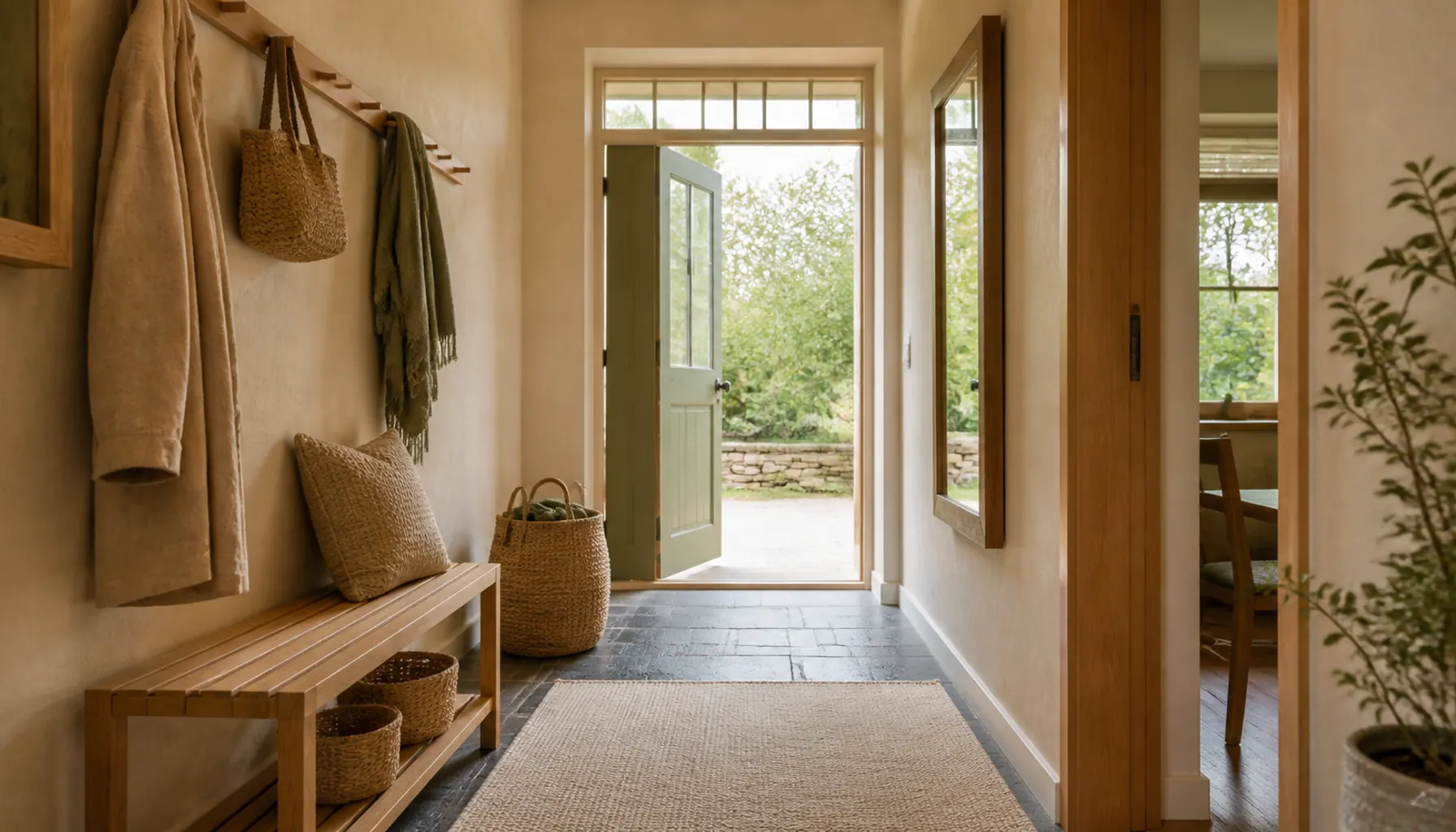
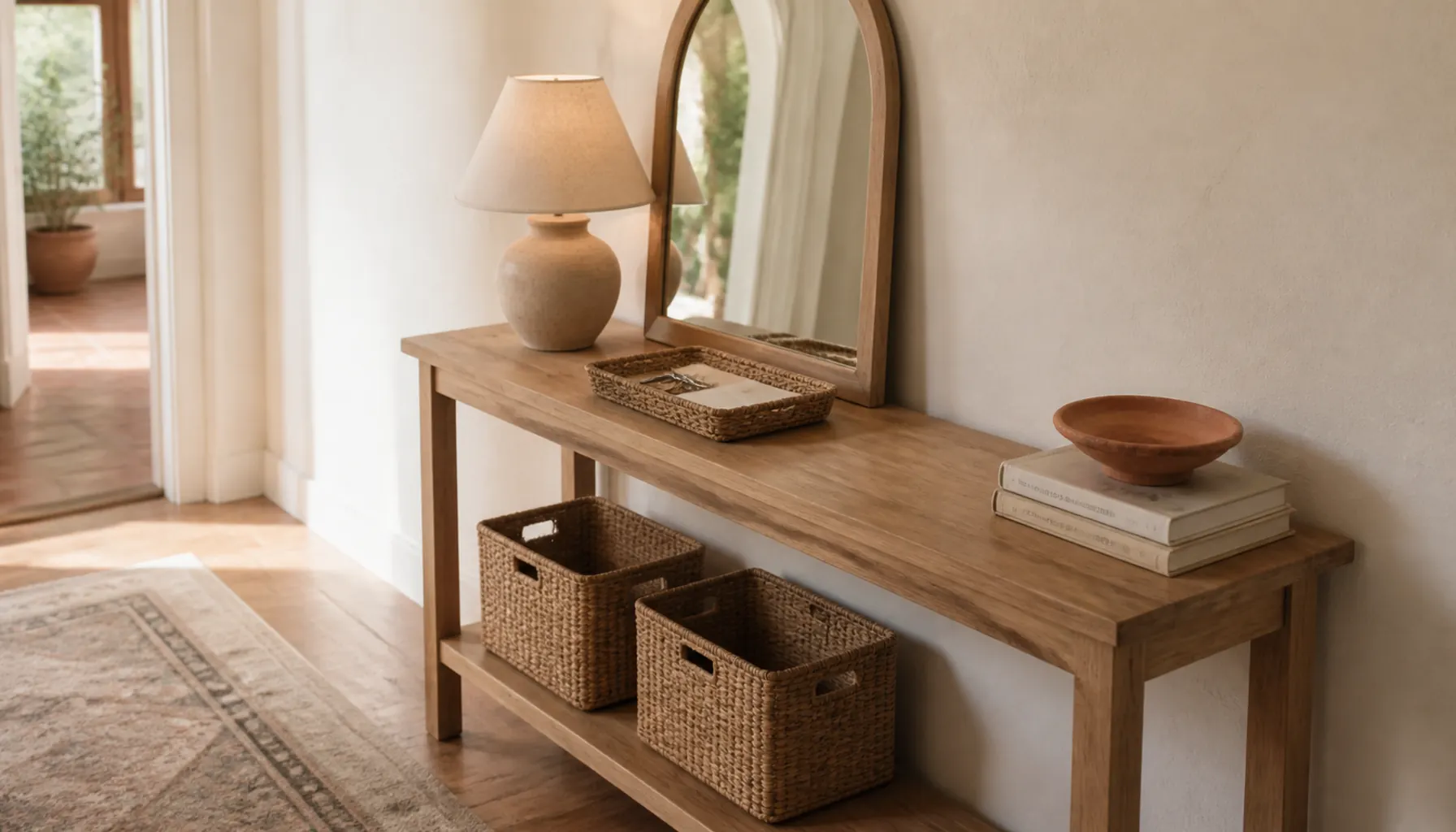
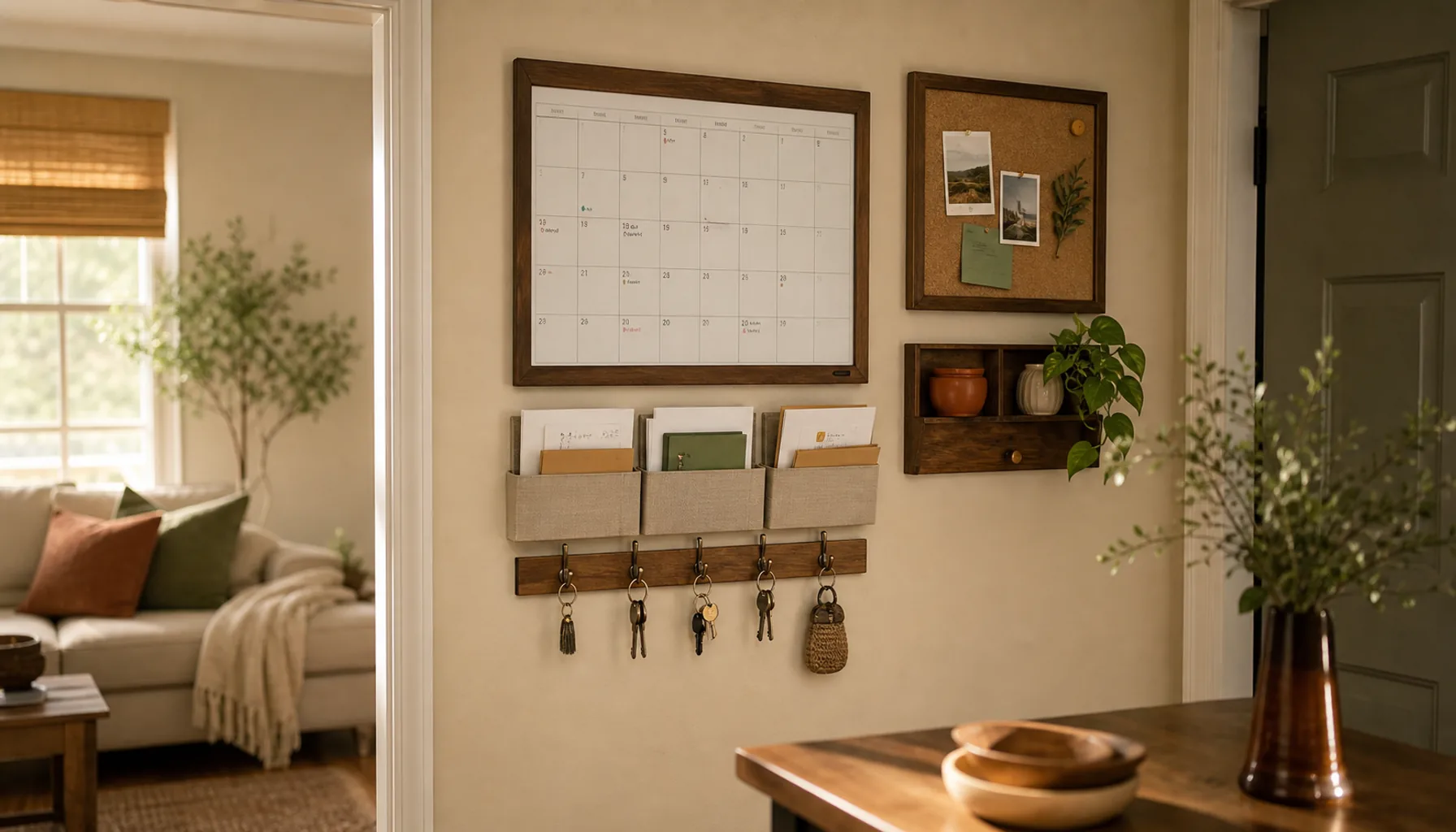
Pick something you touch often, like the drawer by the front door, the shelf above the coffee maker, or the basket where mail piles up. Small wins in high-traffic spots give you a payoff you notice every day, which is what keeps you coming back. If the kitchen is your trouble spot, it also helps to organise it around how you actually cook. If you are staring at the whole house and cannot decide, just choose the surface that annoys you most right now and start there.
Set a visible timer
Fifteen minutes is enough to make a difference and short enough to start. Stop when the timer ends, even if the area is not perfect.
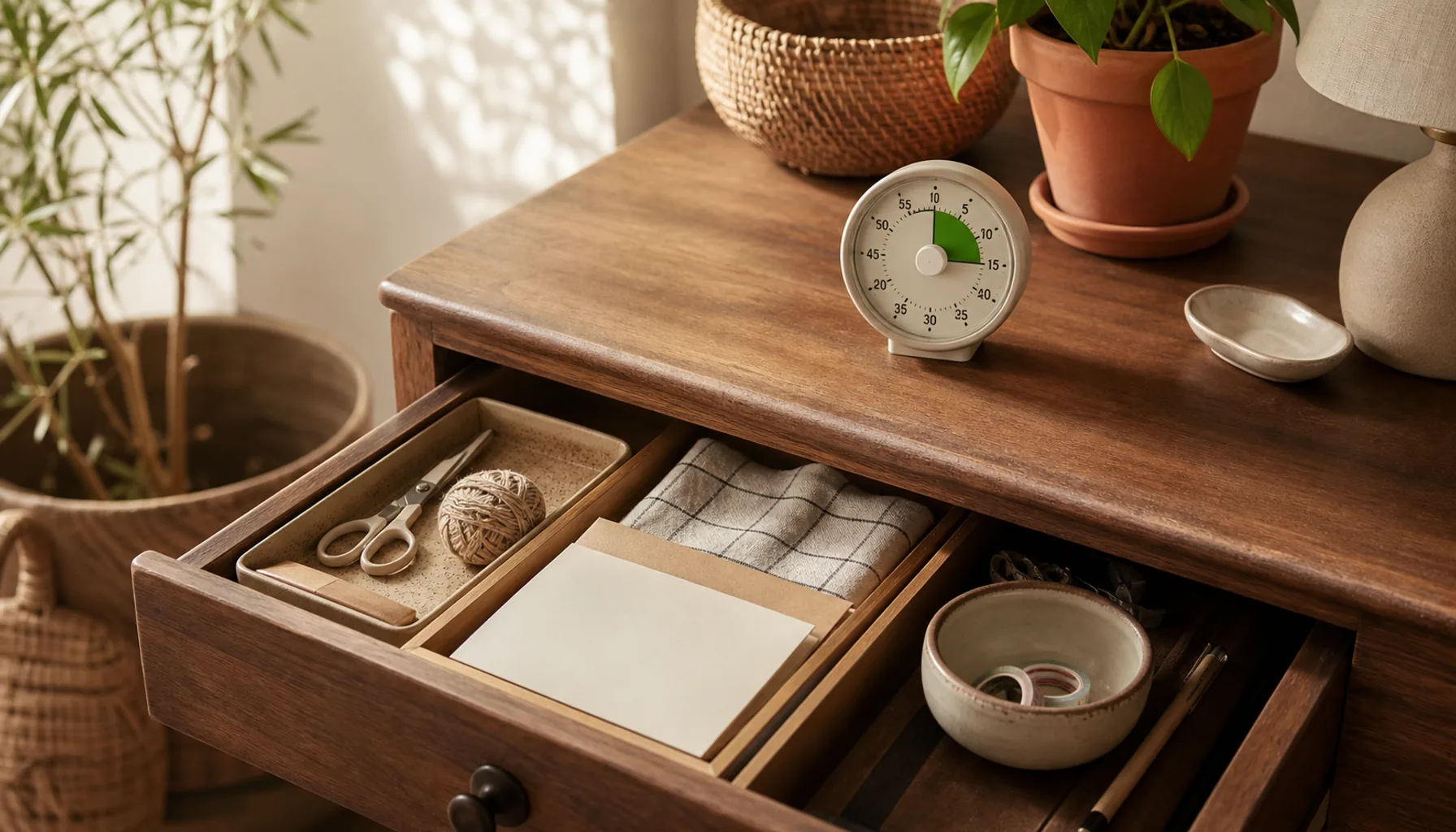
Use a timer you can see, whether that is your phone face-up on the counter or a small kitchen timer. Watching the minutes move keeps you focused and stops the task from quietly stretching into an hour you did not plan to give.
The stopping part is just as important as the starting. When you end on time, decluttering stays a short, doable habit instead of a draining marathon. You protect your energy, and you leave wanting to do a little more tomorrow rather than dreading it. Fifteen minutes may sound too short to bother with, but done most days it clears more than the occasional big push ever will.
Use three simple piles
Keep, move, and remove. Avoid complicated categories. The goal is motion, not a full home audit.
Complicated sorting systems slow you down because every item turns into a small decision. Three piles keep you moving:
- Keep is for things that belong in this exact spot.
- Move is for things that belong somewhere else in the house.
- Remove is for donations, recycling, and trash.
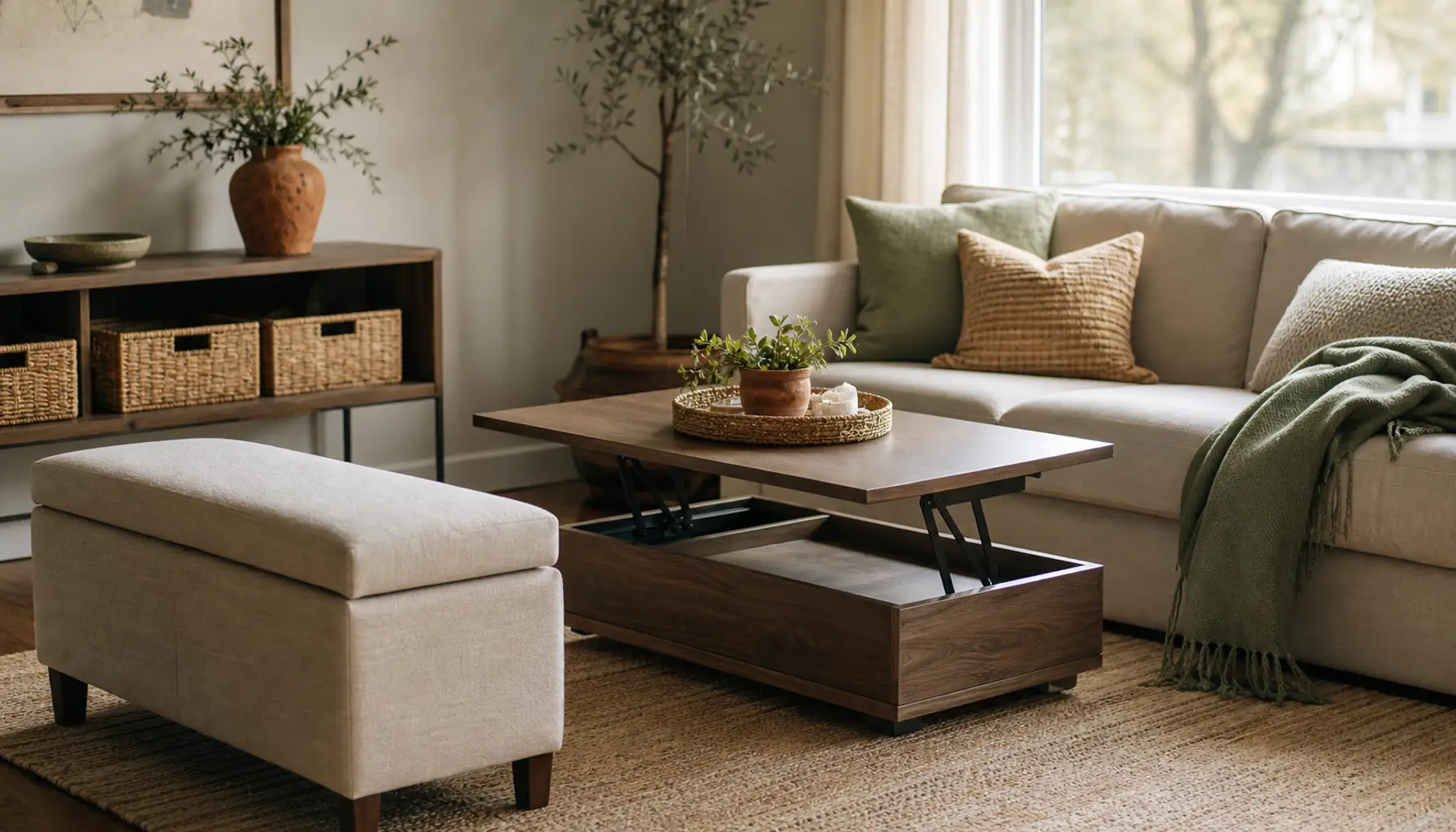
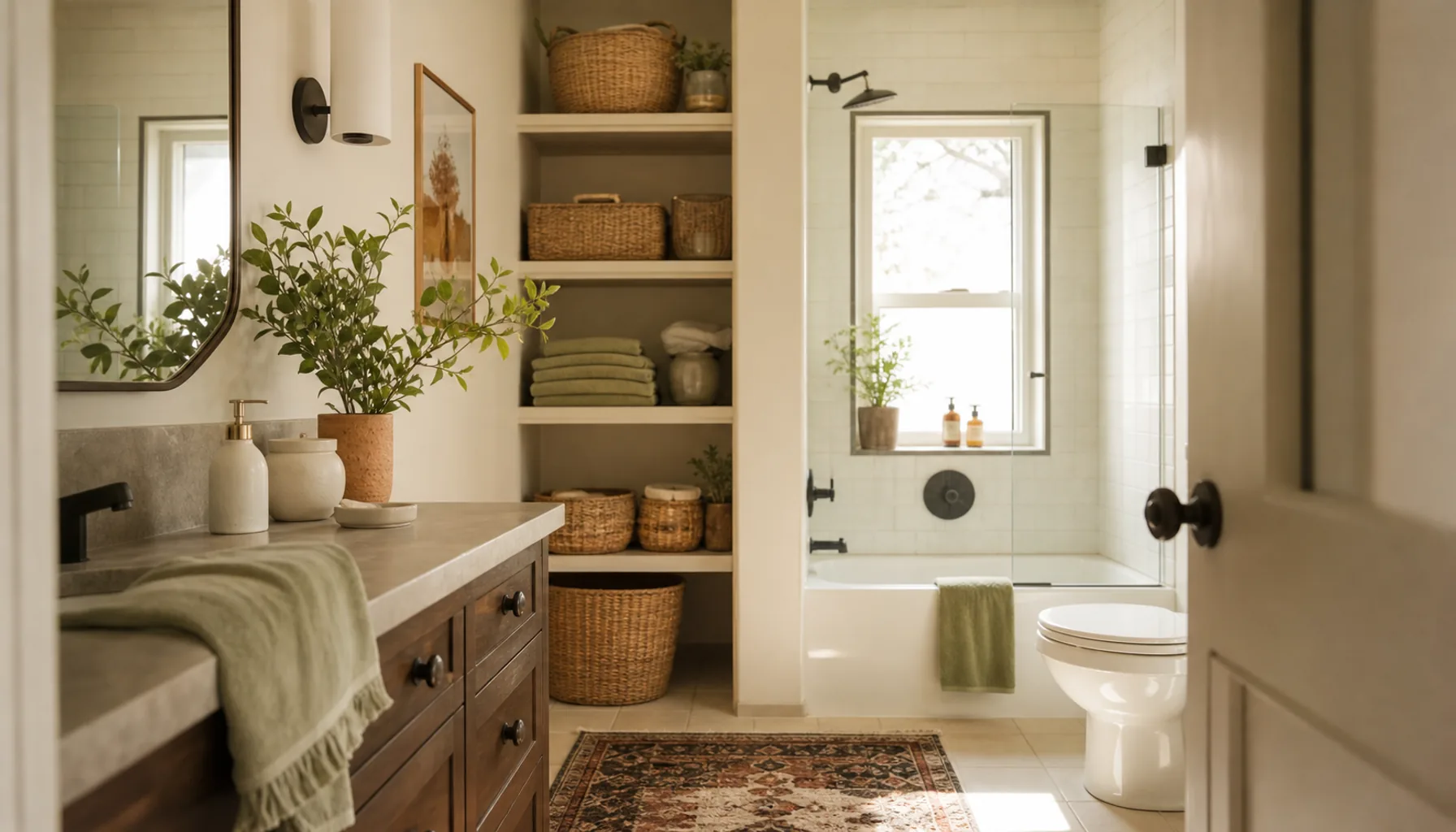
The trick with the move pile is to gather it, not to run it around the house mid-session. If you leave to put one thing away, you get pulled into another room and lose your fifteen minutes. Set the move items aside and deal with them at the end, when you can put each one back into storage that actually works in a small space. Try not to overthink the keep pile either. If you have not used something in a long time and cannot picture using it soon, it probably belongs in move or remove.
Reset the zone before leaving
Wipe the surface, return the keep items, and take the remove pile out of the room. The visible finish matters.
This last step is what turns effort into a result you can see. A clean, clear surface is the reward that makes the whole thing feel worth it. Give the spot a quick wipe, set the keep items back neatly, and carry the remove pile straight to the bin or a donation bag by the door.
Do not let the remove pile sit in the room "for now." Things you decided to let go have a way of creeping back into place if they linger. Taking them out immediately makes the decision final and keeps the space genuinely lighter.
Repeat tomorrow
One small zone a day changes a home faster than one dramatic weekend followed by burnout.
Progress here is about steadiness, not intensity. A weekend blitz feels productive, but it often ends in exhaustion, and the clutter drifts back within weeks. Fifteen minutes a day is quiet, but it compounds. Zone by zone, the whole house shifts. Save the bigger, planned efforts for a seasonal home reset, and let the daily habit handle everything in between.
Build it into a time you already have
The habit sticks when you attach it to something you already do. Fifteen minutes while the coffee brews, right after dinner, or just before bed all work well. Pairing the routine with an existing anchor means you do not have to find motivation from scratch each day.
Keep a running mental list of small zones so you never waste time deciding where to go next. When one spot is done, the next is already waiting.
When you miss a day
You will skip days, and that is fine. The method is forgiving by design. Missing a session is not failure, and it does not undo the work you have already done. Just pick one small zone tomorrow and carry on. A home stays tidy through gentle, repeated attention, not through guilt. Come back to your timer, choose your next drawer, and let the small finishes keep adding up.