In this article
- Key Takeaways
- Start With a Quick Clutter Audit
- Living Room: Seating and Tables That Swallow Clutter
- Bedroom: Use the Space Under and Around the Bed
- Entry and Hallway: Catch Clutter at the Door
- Kitchen and Bathroom: Steal the Hidden Inches
- Step-by-Step: Turn One Cluttered Zone Into a Hidden System
- Common Mistakes That Keep a Small Space Cluttered
- Expert Tips for a Clean, Roomy Look
- Frequently Asked Questions
- A Tidy Apartment That Still Fits Your Life
Hidden Storage Furniture Hacks: How to Conceal Everyday Clutter in a Tiny Apartment
Hidden storage furniture hacks to conceal everyday clutter in a tiny apartment. Room-by-room, dual-purpose ideas for a clean look without losing space.

· 10 min read
Hidden storage furniture is the fastest way to make a tiny apartment feel calm, because it lets everyday clutter disappear into pieces you already need. When square footage is tight, every item on a surface reads as noise. The answer is not more shelves out in the open. It is furniture that does two jobs at once: a seat that stores blankets, a table that lifts to reveal a laptop, a bed with drawers underneath. This guide walks room by room through dual-purpose pieces that keep your space looking clean while still holding real life.
The goal is a clean visual profile. You still own your things. You just stop seeing all of them at once.
Key Takeaways
- Choose furniture that stores what usually sits out nearby, so putting away takes one second.
- Lean on dual-purpose pieces: storage ottomans, lift-top tables, beds and benches with hidden space.
- Use the dead zones first, under the bed, above the door, and behind the sofa.
- Keep closed storage for clutter and open storage for a few things you like to see.
- Give every stray category a hidden home, then the surfaces stay clear on their own.
- Baskets and skirted tables hide clutter in plain sight for almost nothing.
Start With a Quick Clutter Audit
Before you buy anything, name what actually piles up, because the right furniture depends on the mess you have. Walk each room and note the items that live on surfaces: remotes, chargers, mail, shoes, blankets, bags, hobby gear.
Group those into a few categories. Most tiny-apartment clutter falls into daily-use items, paper, and bulky soft goods like blankets and off-season clothes. Once you know your categories, you can match each to a hidden home instead of buying storage at random. That is the same principle behind the fifteen-minute declutter method: decide first, then act.
A quick tip: if a category has no home, it will always end up on the nearest flat surface. Assign the home first, and the surface stays clear.
Living Room: Seating and Tables That Swallow Clutter
The living room is where hidden storage pays off most, because it is where you relax and where clutter shows. Focus on the two biggest pieces, the seating and the coffee table.
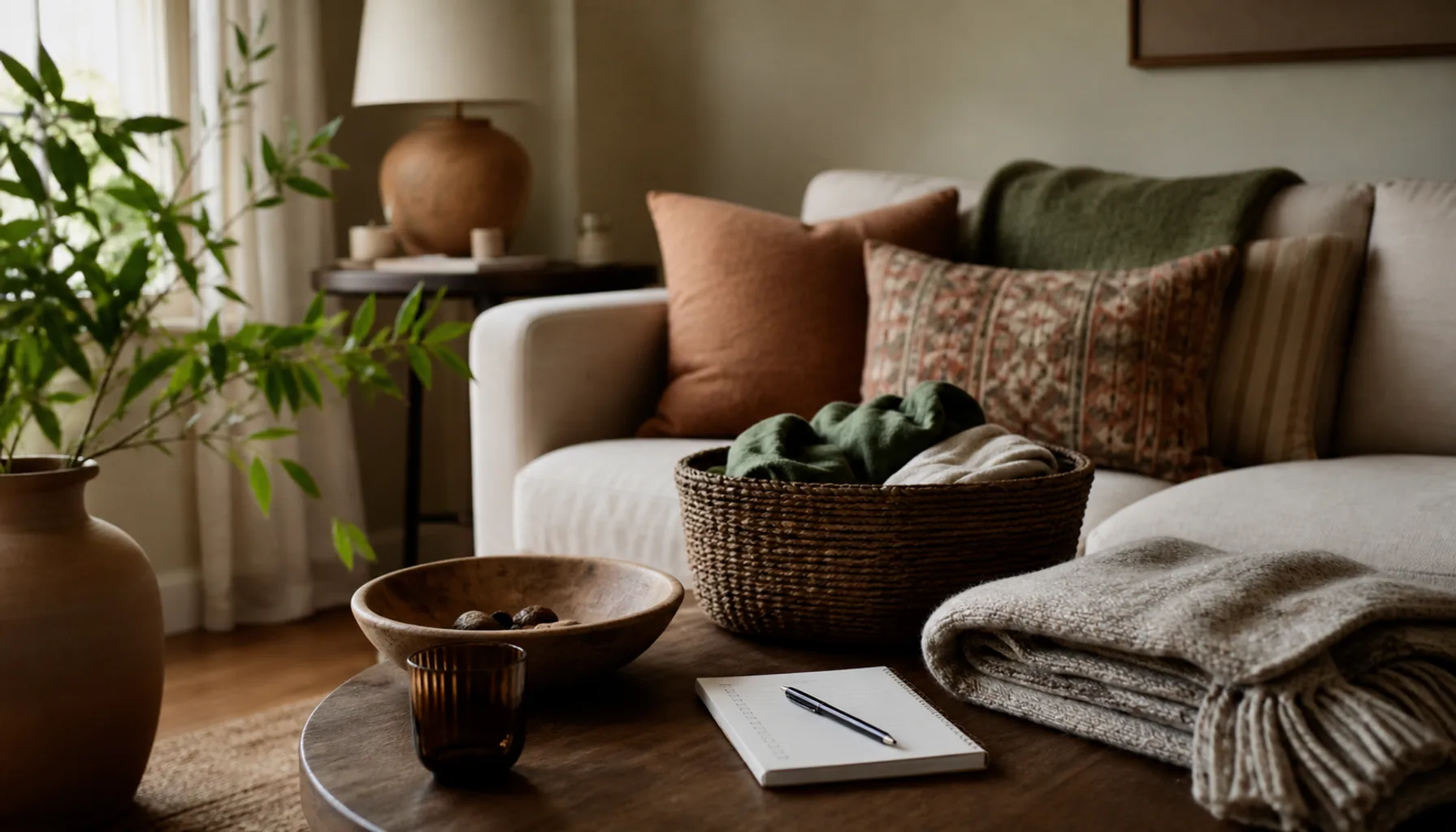
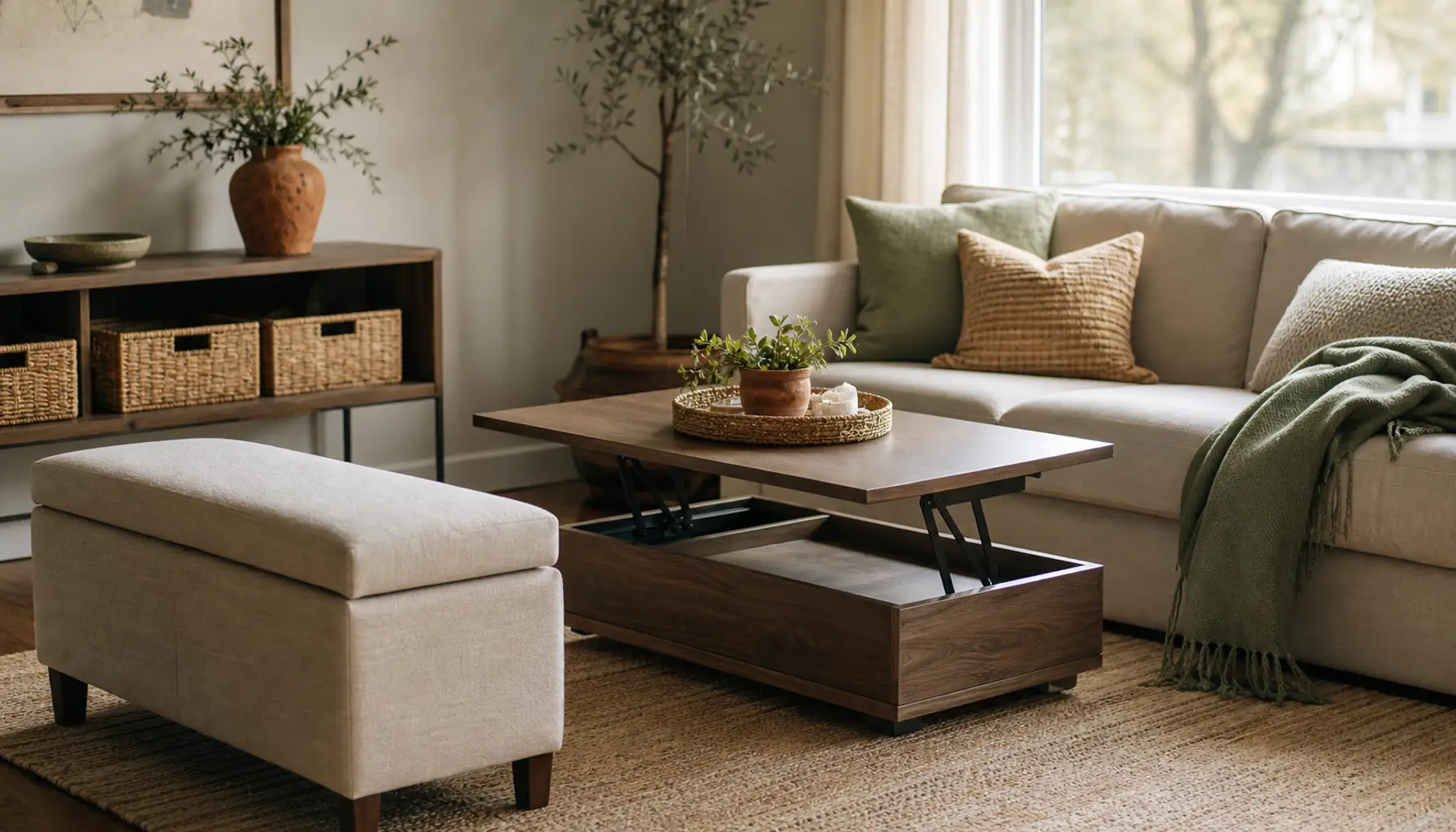
A storage ottoman is the workhorse of a small living room. It seats a guest, rests your feet, and hides blankets, remotes, or gaming gear under the lid. A lift-top coffee table raises to reveal a hidden bin and doubles as a laptop desk when you work from the sofa.
- Use a storage ottoman for bulky soft goods like throws and spare pillows.
- Choose a lift-top or drawered coffee table for remotes, chargers, and paper.
- Add a console behind or beside the sofa with baskets for shoes or bags.
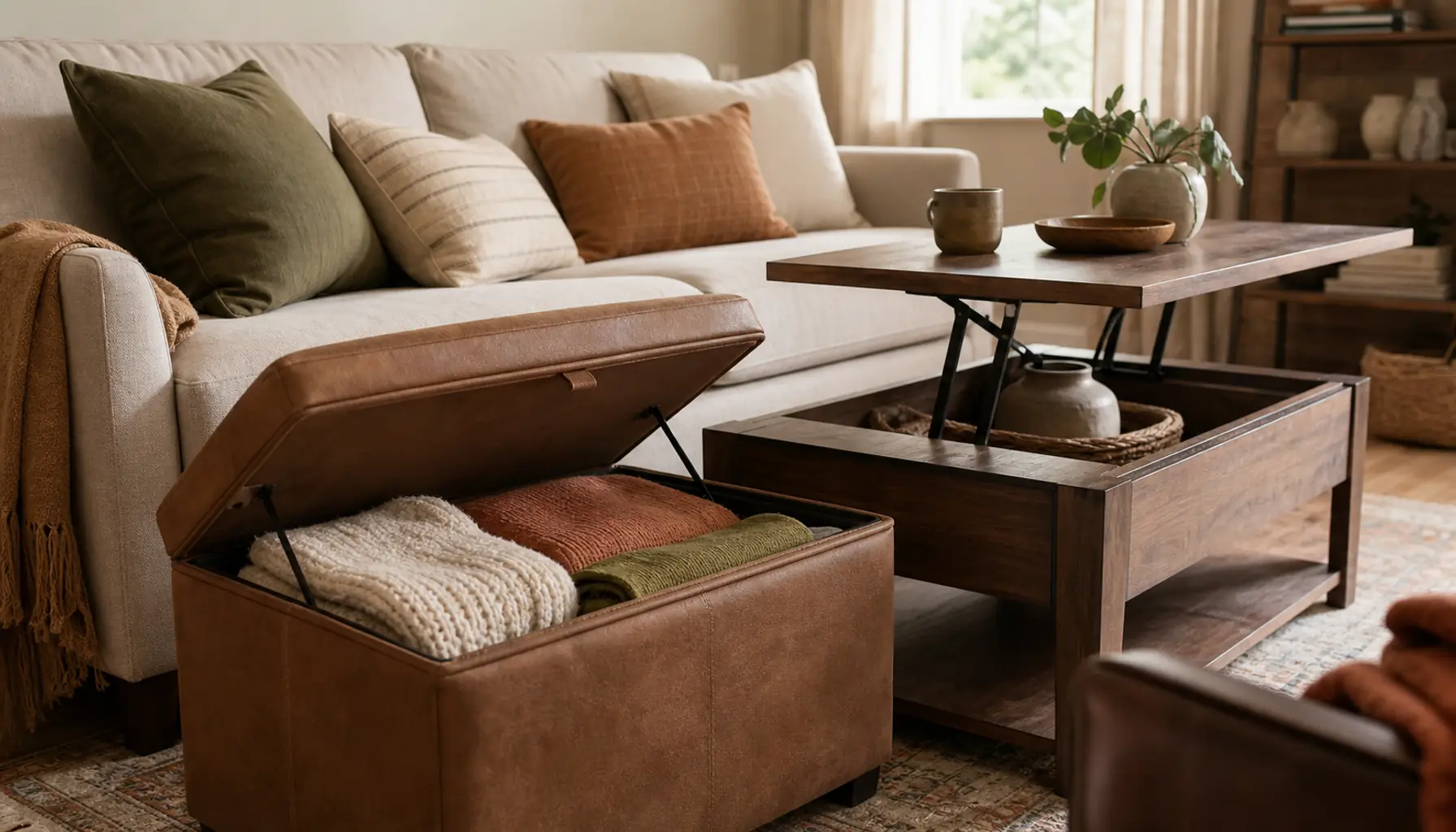
The reason this works is that you store things where you use them, so nothing has to travel to get put away. Keep the top of the coffee table nearly bare, with just one tray, so the clean look holds. If you want the shelves you do keep open to look calm, the rules in styling open shelves without clutter pair well with all this hidden storage.
Bedroom: Use the Space Under and Around the Bed
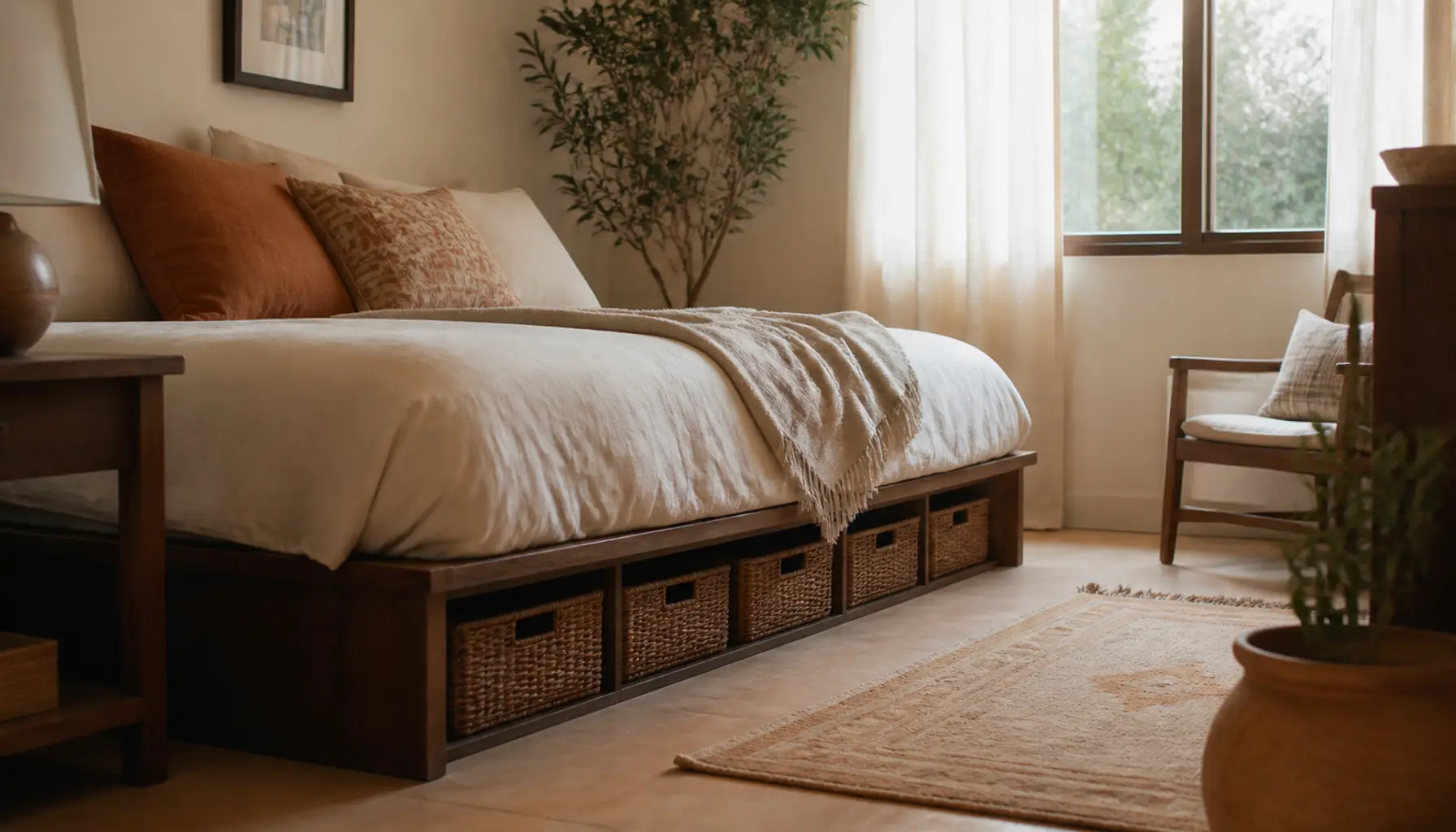
The bed sits on top of the single largest storage zone in a small apartment, so put that space to work. The floor under the bed can hold a surprising amount when you use it on purpose.
A bed frame with built-in drawers turns dead space into a dresser. If you already have a plain frame, flat under-bed bins on wheels do the same job for a few dollars. A storage headboard or a slim shelf behind the pillows hides books, glasses, and a charger.
- Store off-season clothes and spare bedding in under-bed bins.
- Choose a bed with drawers if you are buying new and skip a separate dresser.
- Add a storage bench at the foot of the bed for shoes or a laundry basket.
This approach keeps the floor clear, and visible floor is what makes a small bedroom feel open. It is the same idea explored in small bedroom ideas that feel calm and spacious. When the clutter lives under the bed, the room reads as restful instead of packed.
Entry and Hallway: Catch Clutter at the Door
The entry is where daily clutter enters, so stopping it there keeps it out of the rest of the home. You do not need much, just one piece that hides the pile.
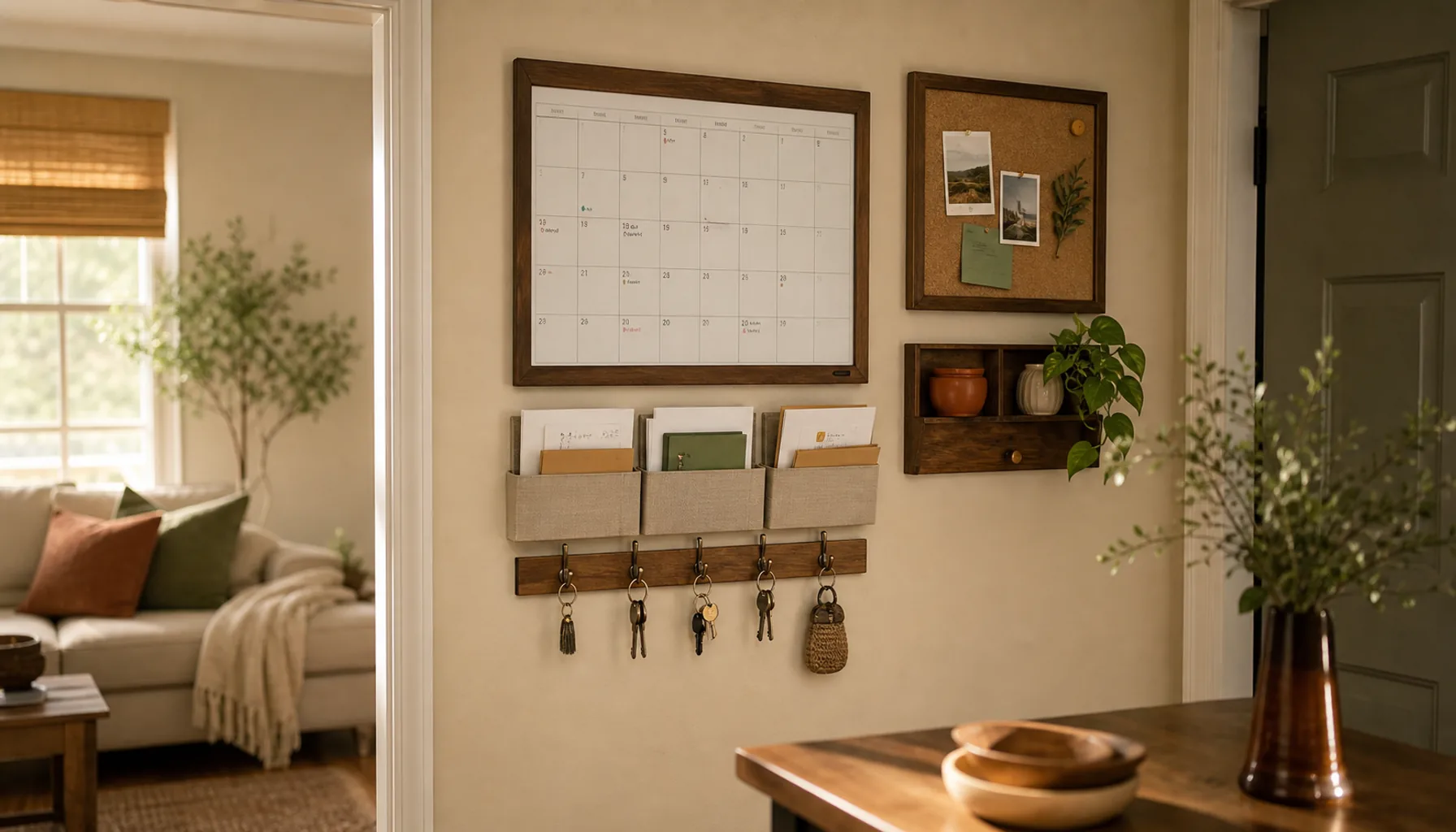
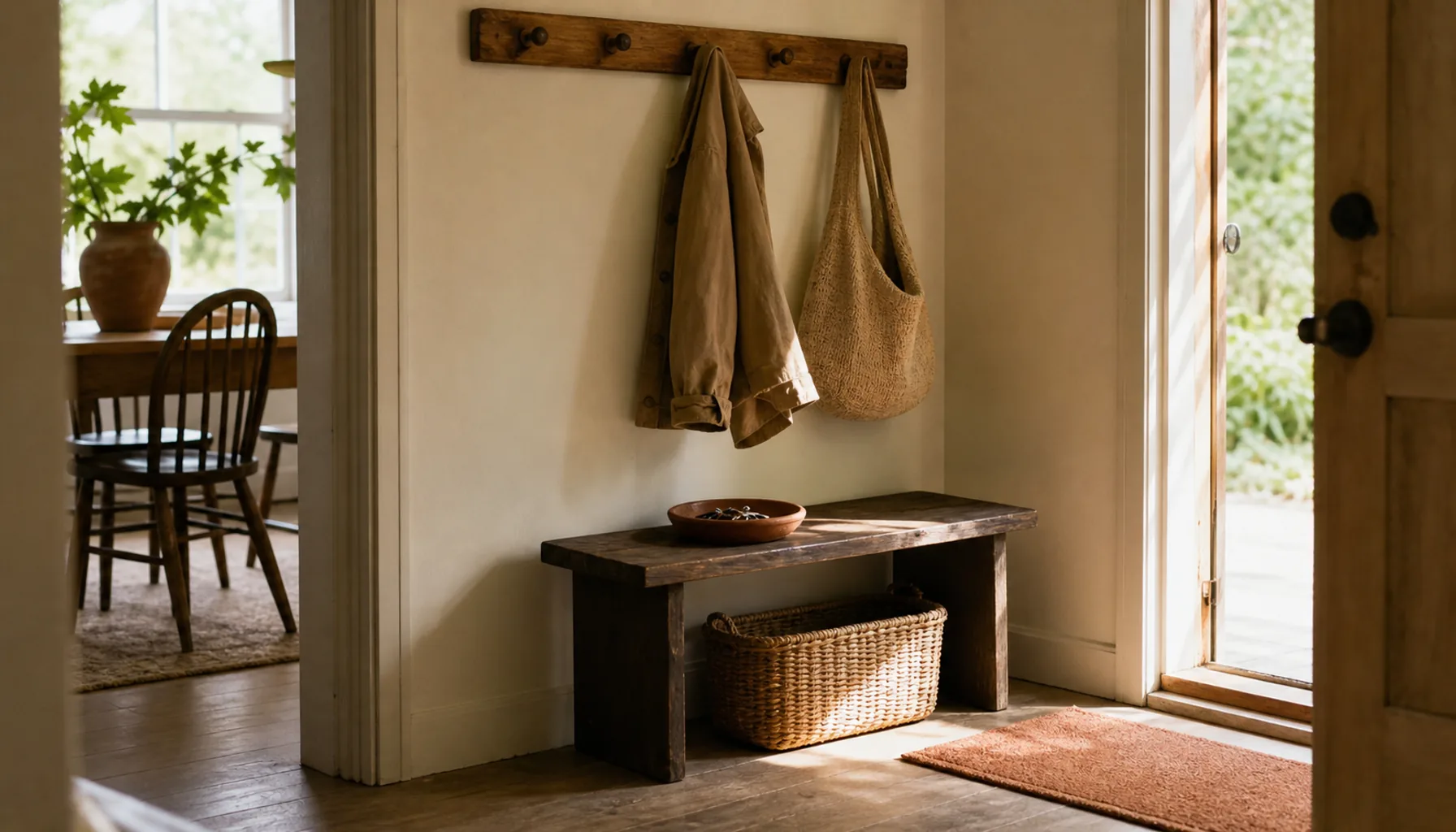
A storage bench gives you a spot to sit and pull on shoes while hiding those shoes inside. A narrow console with a drawer catches keys and mail before they migrate to the kitchen counter. Add a couple of baskets underneath for bags and hats.
This mirrors the setup in an entryway built for busy mornings, where a small, contained landing spot beats a big open surface. A huge entry table just invites a huge pile. A modest bench with hidden space forces quick decisions.
Kitchen and Bathroom: Steal the Hidden Inches
Tiny kitchens and bathrooms hide storage in the gaps, so look at the vertical and behind-the-door space you are ignoring. These rooms reward small, specific fixes over big furniture.
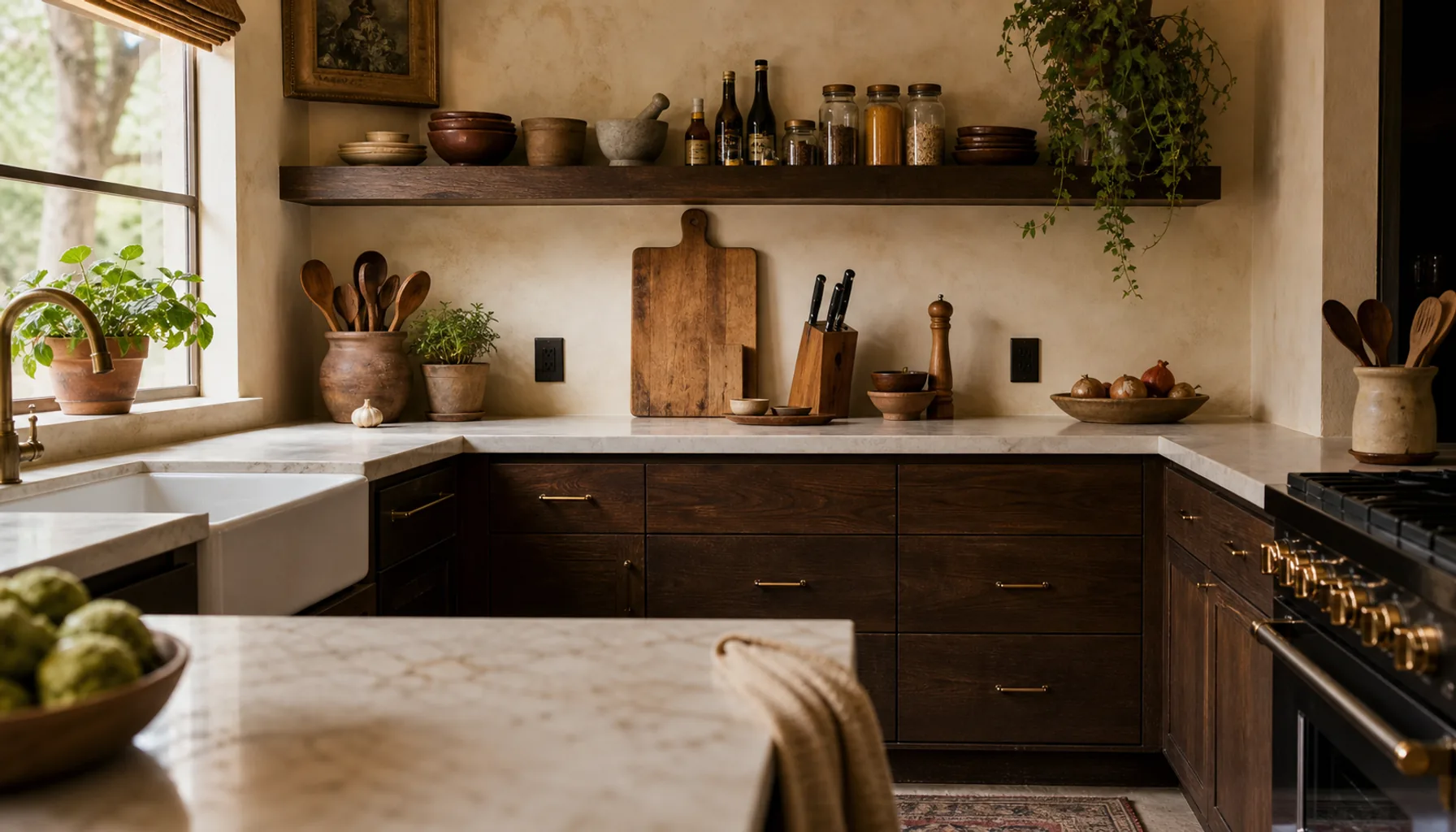
In the kitchen, a rolling cart tucks into a gap and pulls out as a prep station, then hides back away. Over-the-door racks and the toe-kick space under cabinets hold flat items. Group tools by task so the counter stays clear, the way kitchen zones organized by how you cook keeps everything in reach without the mess.
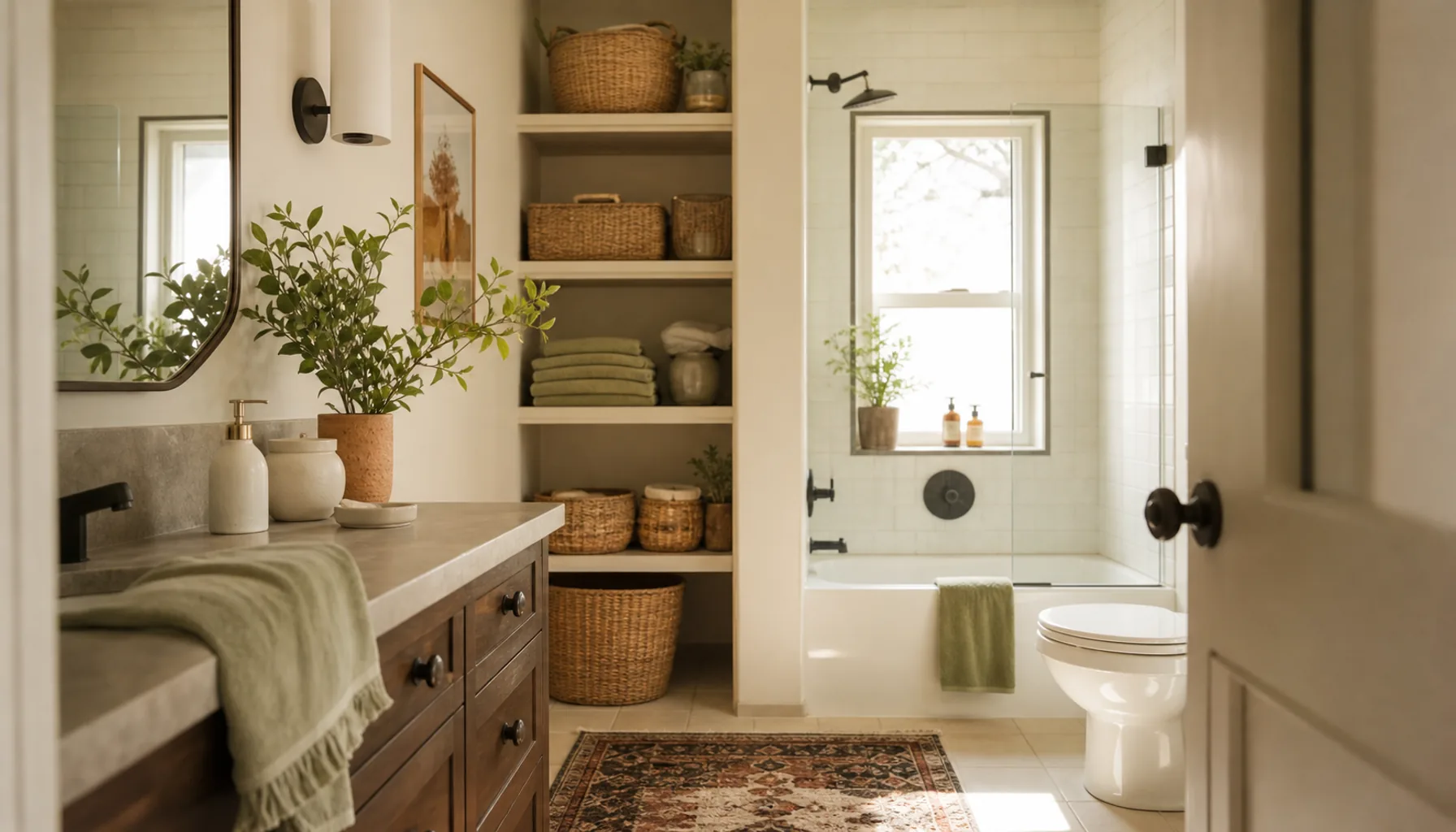
In the bathroom, a vanity with a door, a mirrored cabinet, and stacked baskets hide the daily chaos. The same smart, vertical thinking runs through bathroom organization for small, shared spaces.
Step-by-Step: Turn One Cluttered Zone Into a Hidden System
Step 1: Pick the Worst Zone
Choose the single surface that annoys you most, like the coffee table or the entry drop spot. Working one zone at a time keeps the project from stalling.
Step 2: Sort What Lives There
Pull everything off and sort into keep-here, belongs-elsewhere, and donate. Be honest about what actually needs to live in that spot.
Step 3: Match a Hidden Home to Each Keeper
Assign the keep-here pile to a piece of hidden storage: the ottoman, a drawer, a basket. If nothing fits, that tells you the one piece worth buying.
Step 4: Clear the Surface and Set a Rule
Leave the surface almost bare, with one tray or object. Make a simple rule, like everything goes back in its hidden home each night. A clean surface is easier to keep clean.
Common Mistakes That Keep a Small Space Cluttered
A few habits quietly undo hidden storage. Avoid these.
- Buying storage before decluttering. Bins bought too early just give clutter a new place to hide. Sort first.
- Choosing all open shelving. Open storage puts clutter on display. Use closed pieces for the messy categories.
- Overfilling hidden storage. If an ottoman is packed to the lid, you stop using it. Leave breathing room.
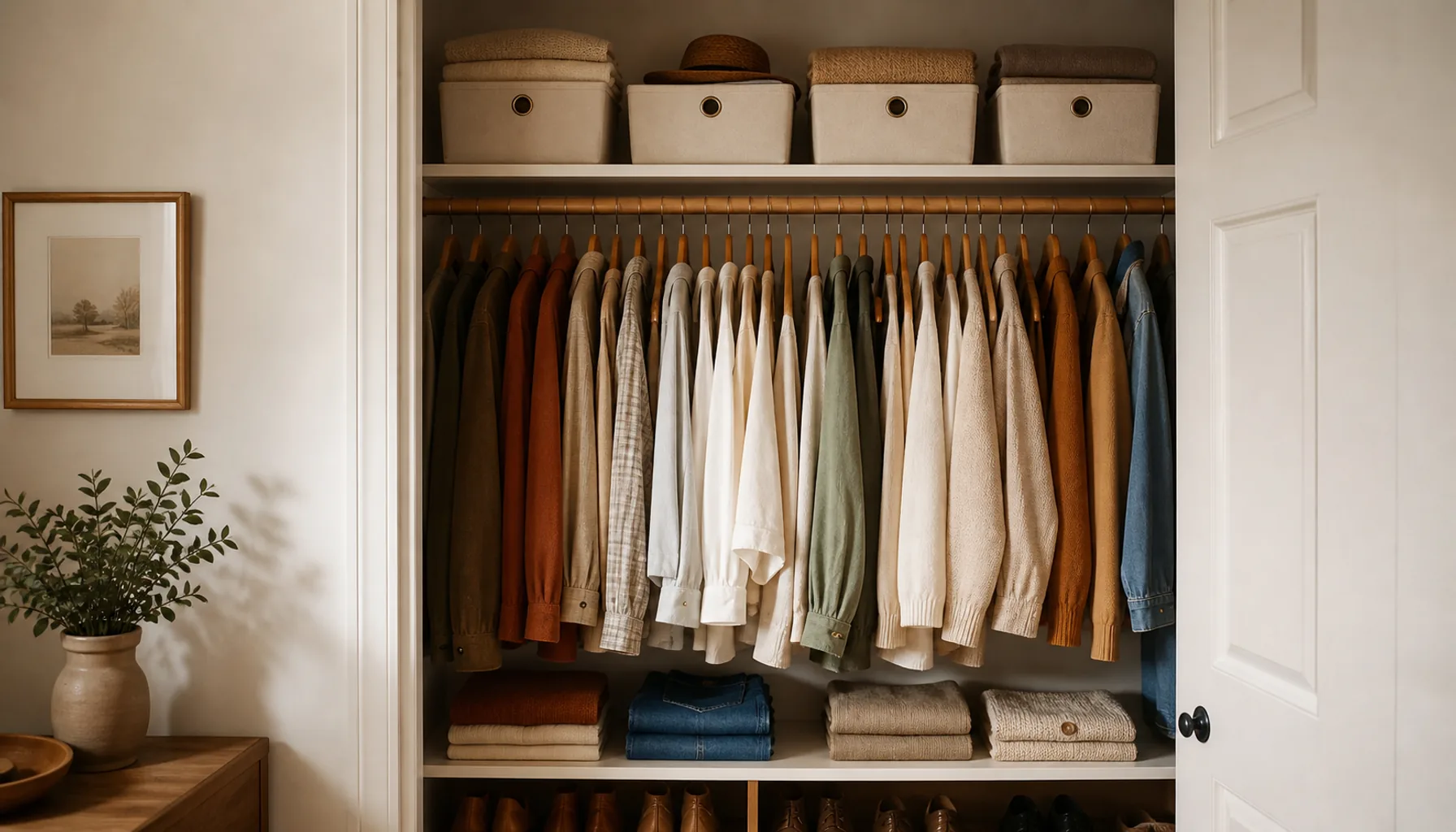
- Ignoring dead zones. Under-bed and above-door space sit empty in most apartments. Use them first.
- Skipping the audit. Random storage rarely fits your actual clutter. Name the categories before you shop.
Expert Tips for a Clean, Roomy Look
A few finishing moves make the whole apartment feel intentional rather than crammed.
Match your baskets and bins in a small palette. When containers share a color and material, a wall of storage reads as calm instead of busy. Warm neutrals and natural weaves disappear into most rooms.
Keep a small donate box living inside a closet year-round. The moment something stops earning its space, it goes in, and clutter never builds back up. This light upkeep is what makes a system last, the same way a regular seasonal home reset keeps a whole home from drifting.
Finally, buy multi-use pieces when you replace furniture anyway. A bed with drawers, a bench that opens, a table that lifts. You get the storage for free in the footprint you already needed. If space is truly tight everywhere, small apartment storage ideas that actually work go even deeper on renter-safe options.
Frequently Asked Questions
What furniture hides the most clutter in a small apartment?
A storage ottoman, a lift-top coffee table, and a bed with drawers hide the most, because they use large footprints you already need. The ottoman swallows blankets and gaming gear, the table hides remotes and paper, and the bed replaces a whole dresser. Together they clear the surfaces in your two busiest rooms without adding a single new piece to the floor.
How do I add storage without making the room feel smaller?
Choose pieces that replace something you already own, like a bed with drawers instead of a bed plus a dresser. Use the dead space under the bed and behind the sofa rather than adding new units. And keep most storage closed, so the eye sees calm surfaces instead of stacked bins, which is what makes a room feel open.
Are under-bed bins actually worth it?
Yes, for off-season clothes, spare bedding, and bulky items you rarely reach for. Flat bins on wheels use space that otherwise sits empty, and they cost very little. Choose low-profile bins that clear your frame, and add lids to keep dust out. Label them so you are not dragging out every bin to find one sweater.
How do I hide clutter if I rent and cannot build anything?
Rely on freestanding, dual-purpose furniture and baskets, none of which touch the walls. A storage bench, an ottoman, a skirted table, and matched bins all hide clutter with zero damage and move with you. This is the same renter-friendly approach that keeps your deposit safe while still giving you a tidy, finished look.
What is a skirted table and how does it hide clutter?
A skirted table is a small round table draped with fabric to the floor. The skirt hides everything stored underneath, so a plain bin of supplies or off-season items vanishes behind it. It costs almost nothing, works as a nightstand or entry table, and adds soft texture to the room. It is one of the cheapest hidden-storage tricks there is.
Should I use open or closed storage in a tiny space?
Use closed storage for anything messy or mismatched, and save open shelving for a few things you genuinely like to look at. Too much open storage turns a small room into a display of clutter. A mostly closed setup with one styled open shelf gives you the calm look and the storage at the same time.
How do I keep hidden storage from becoming a black hole?
Do not overfill it, and reset it on a schedule. If a drawer or ottoman is packed to the top, you stop putting things back and the surfaces fill up again. Leave breathing room, and empty each hidden spot during a monthly or seasonal reset so it holds what you use now, not what you forgot a year ago.
A Tidy Apartment That Still Fits Your Life
Hidden storage furniture lets a tiny apartment stay clean without giving up the things you use, because the clutter lives inside the pieces you already need. Audit what piles up, match each category to a dual-purpose home, and keep the messy stuff closed and the surfaces clear.
Start with one zone this week, the coffee table or the entry, and let the calm spread from there. When you are ready to plan a fuller refresh around your newly tidy space, take a few minutes with the Room Style Finder to lock in a look that feels like home.