In this article
What Is My Interior Design Style? How to Find Yours
Not sure what your interior design style is? Learn to identify your decorating style with a simple self-quiz, clear style profiles, and how to mix them well.

· 11 min read
Figuring out your interior design style is less about picking a label from a catalog and more about noticing what you already love. Most people feel stuck not because they lack taste, but because they have never slowed down to see the patterns in what draws their eye. The good news: your style is already there, hiding in the images you save, the rooms you never want to leave, and the objects you keep for years. This guide gives you a practical way to name it, a tour of the major styles, and a designer's method for blending two or three into a home that feels unmistakably yours.
Key Takeaways
- Your design style is a pattern in what you already collect and admire, not a label you adopt from scratch.
- A quick self-audit of saved images, favorite rooms, and kept objects reveals your style faster than any quiz.
- Most people are a blend of two or three styles, not a single pure one, and that is exactly how the best rooms are built.
- Knowing your style saves money by preventing impulse buys that clash with everything else.
- A tight color palette and consistent materials tie mixed styles together into one coherent look.
- Function and lifestyle should shape your style as much as looks; a beautiful room you cannot live in is a failure.
How to Discover Your Interior Design Style
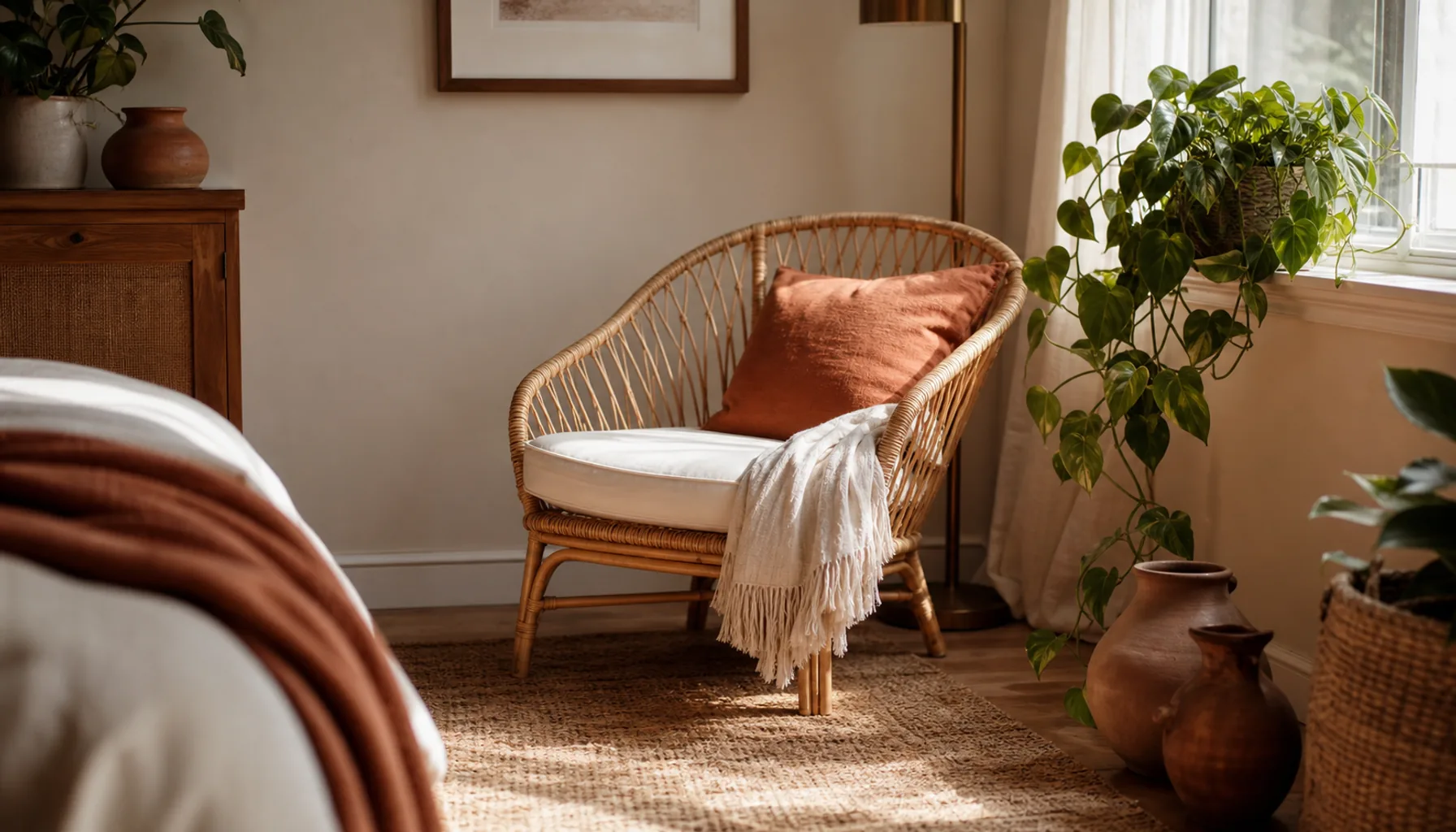
Your interior design style is the consistent set of colors, shapes, materials, and moods you are naturally drawn to across many rooms. The fastest way to find it is to study the choices you have already made, rather than starting from a blank slate.
Set aside twenty minutes and work through a simple audit. It is more honest than any online quiz because it uses your real preferences instead of hypothetical ones.
- Collect 15 to 20 images of rooms you love, from your saved photos, screenshots, or a quick browse. Do not overthink which ones; grab the gut reactions.
- Look for repeats. Are the walls mostly light or moody? Is the furniture sleek or chunky? Do you see wood, metal, linen, velvet, or a mix? Warm tones or cool ones?
- Name the mood. Write one honest sentence about how those rooms make you feel: calm, cozy, energized, elegant, grounded.
- Check your real home. Which objects have you kept for years and would never toss? They are voting for your true style.
A designer's shortcut: the three items you would grab in a fire usually reveal your style better than any moodboard. Notice their materials, colors, and era, they are the honest core of your taste.
By the end you will see a pattern, warm and layered, clean and minimal, collected and eclectic, or something in between. That pattern is your starting point, not a cage.
The Major Interior Design Styles, Explained
There is no official master list, but most homes lean on a handful of recognizable styles. Read these as ingredients you can combine, not boxes you must fit inside.
Modern and Contemporary
Clean lines, uncluttered surfaces, and a restrained palette define this look. Modern leans on mid-century shapes and warm woods, while contemporary follows current trends and often uses cooler neutrals. Both reward restraint, which makes a smart, disciplined color palette essential to keep the space from feeling cold or bare.
Minimalist
Minimalism takes modern further: only what is useful or genuinely loved earns a place. It relies on negative space, hidden storage, and a near-monochrome palette. It looks effortless but demands discipline; the empty surfaces only stay calm when clutter has a home, which is why strong storage ideas that actually work are the backbone of the style.
Scandinavian
Think light woods, soft whites, cozy textiles, and a focus on function and daylight. It is minimalism with warmth, built for long, dark winters. Layered texture, chunky knits, sheepskin, linen, does the emotional work here, and a beginner's guide to mixing textures is the fastest way to nail the feel.
Traditional and Transitional
Traditional design values symmetry, classic furniture shapes, and rich, layered details. Transitional softens that formality by pairing classic pieces with cleaner modern lines, the most forgiving style for people who like some polish without fuss. Matched pairs and balanced arrangements are central, the same symmetry that makes a room feel resolved.
Bohemian and Eclectic
Bohemian style is layered, personal, and rule-breaking: global textiles, plants, vintage finds, and warm, saturated color. Eclectic is its more curated cousin, mixing eras and origins on purpose. The risk is chaos, so these styles lean hard on a repeating color thread and confident gallery walls that look planned rather than random.
Farmhouse and Rustic
Warm woods, natural materials, and a lived-in, welcoming feel drive this look. Modern farmhouse pairs those cozy elements with cleaner white backdrops. Texture and patina matter more than polish, and thrifted, character-rich pieces fit perfectly, which is why knowing how to spot furniture worth flipping pays off.
Warm Minimal and Earthy Modern
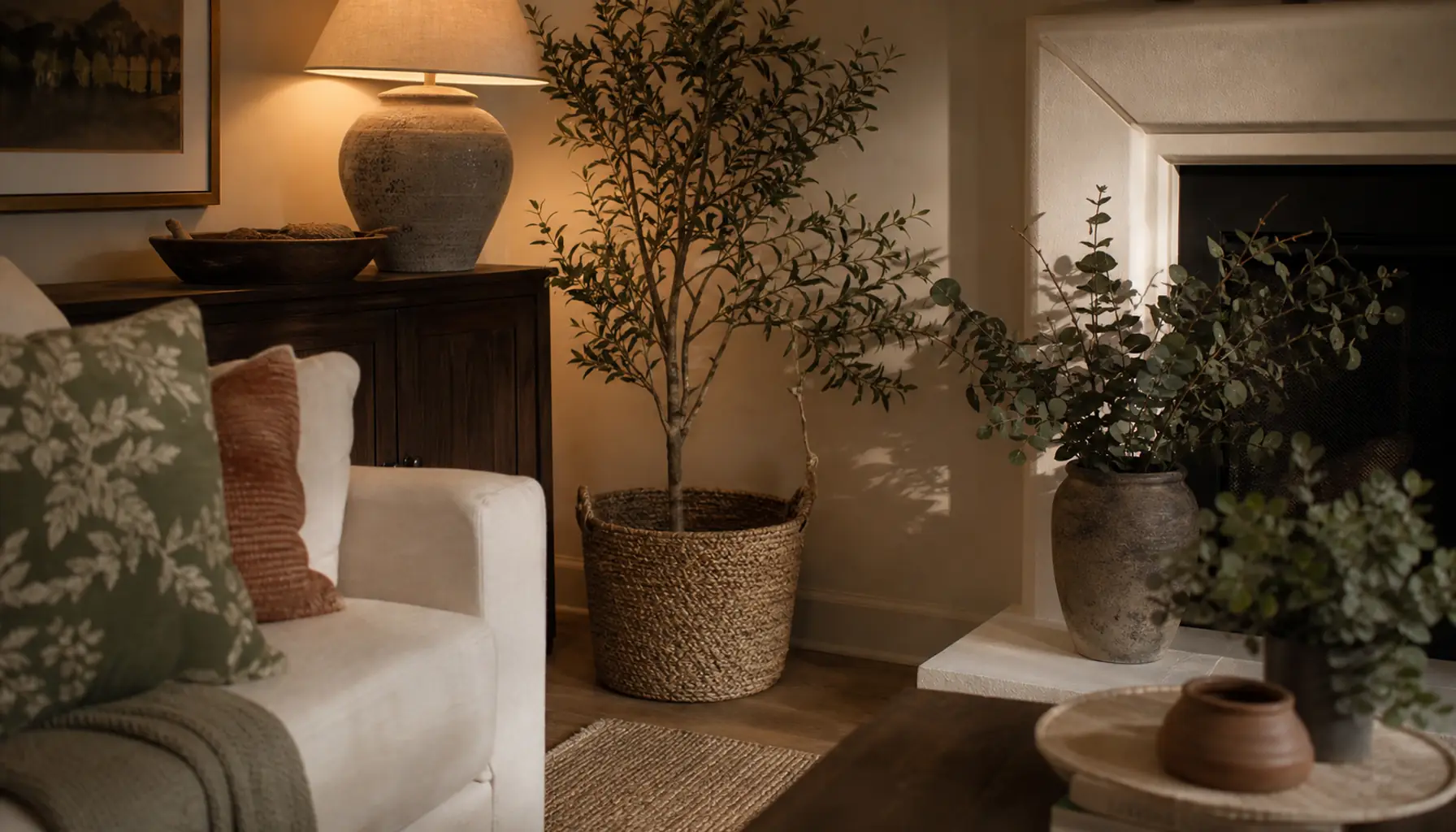
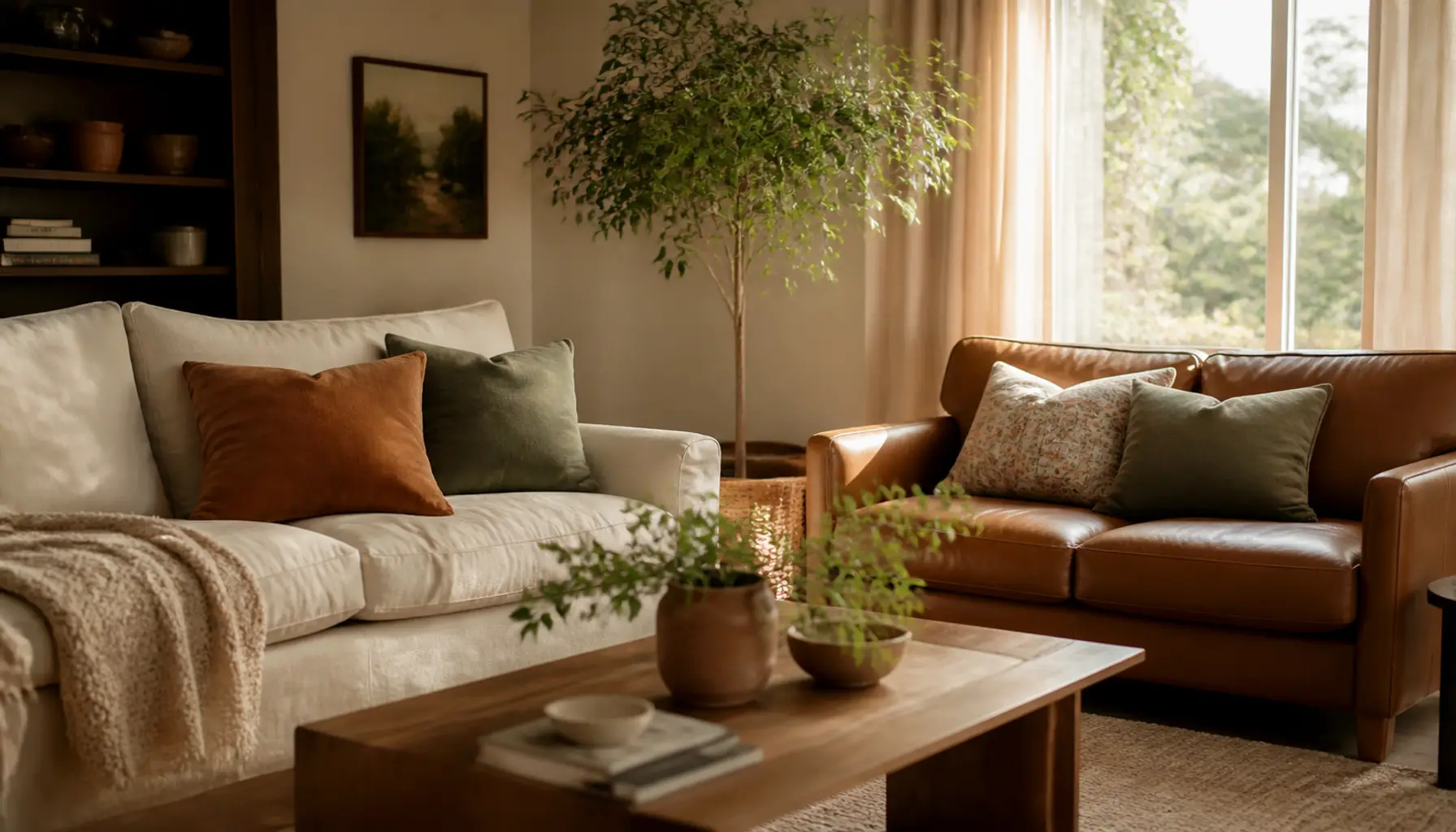
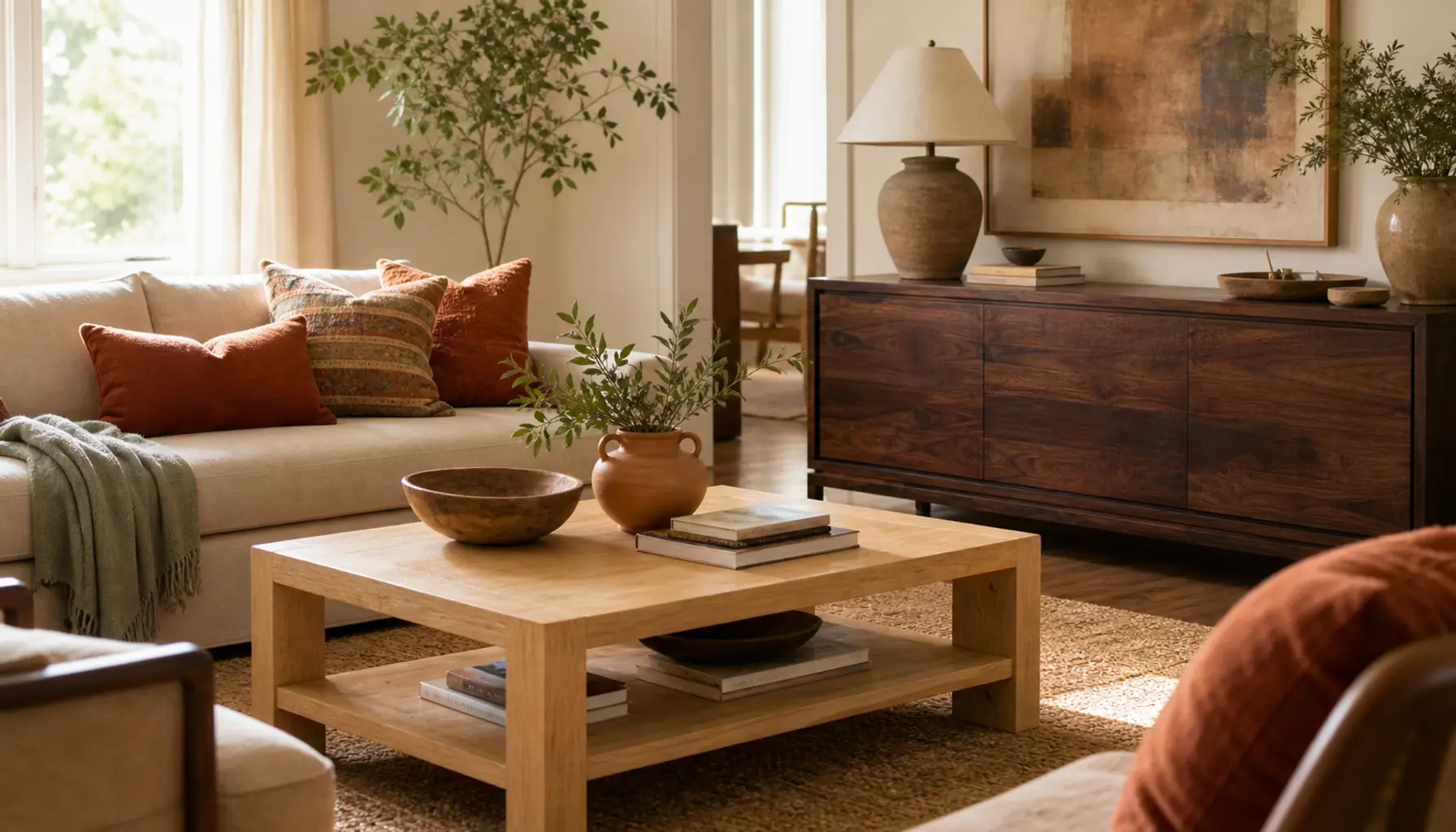
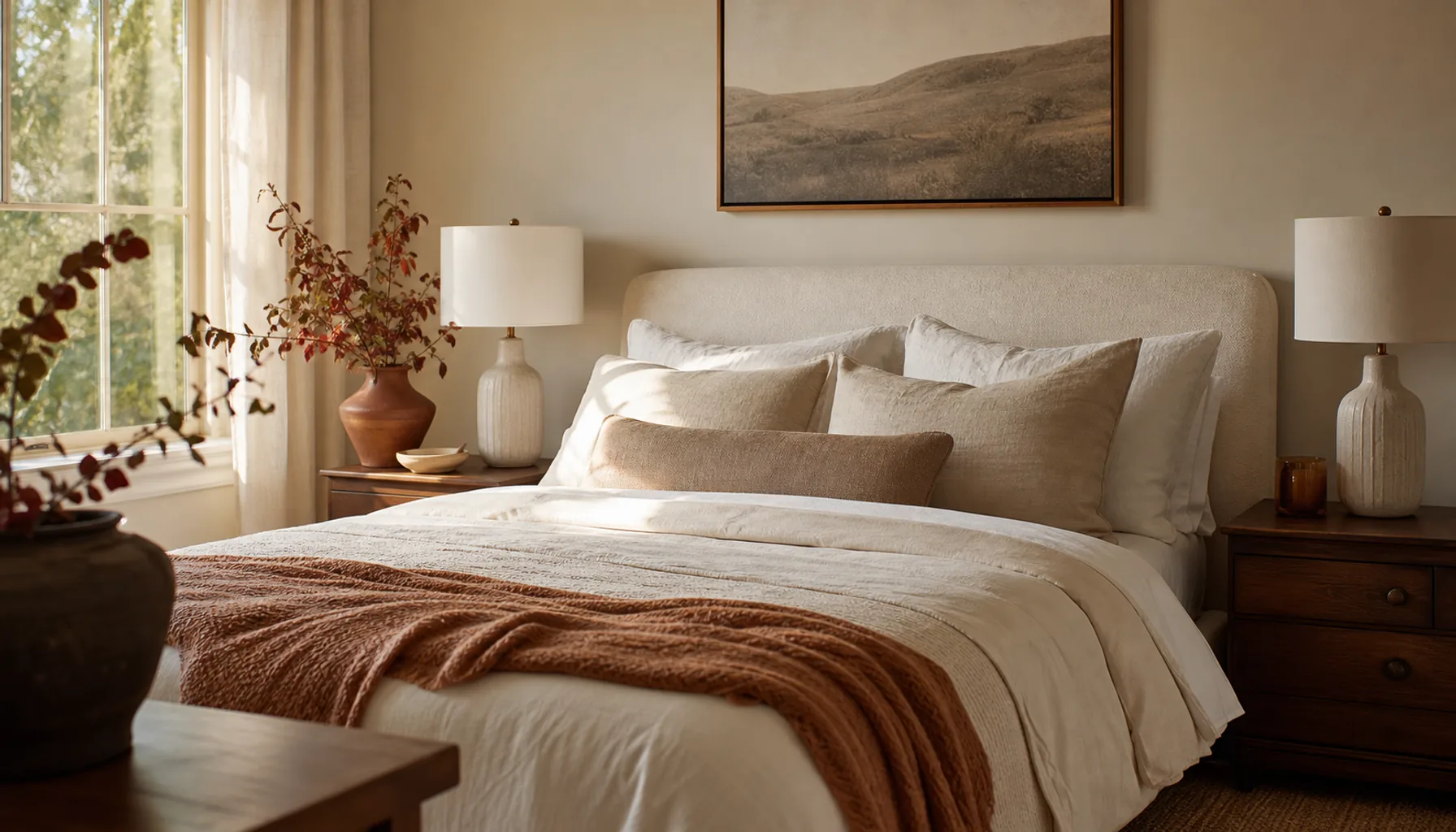
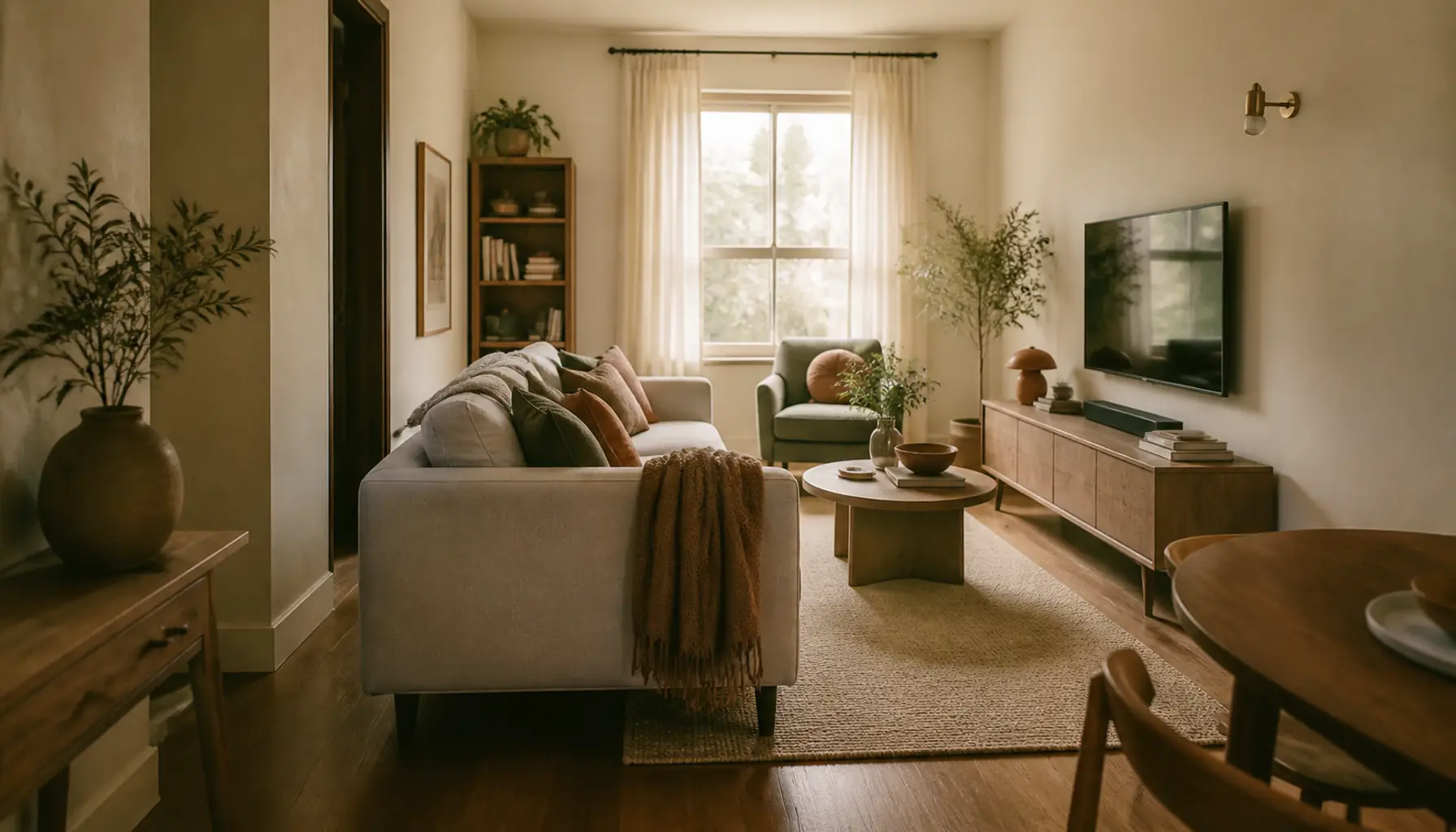
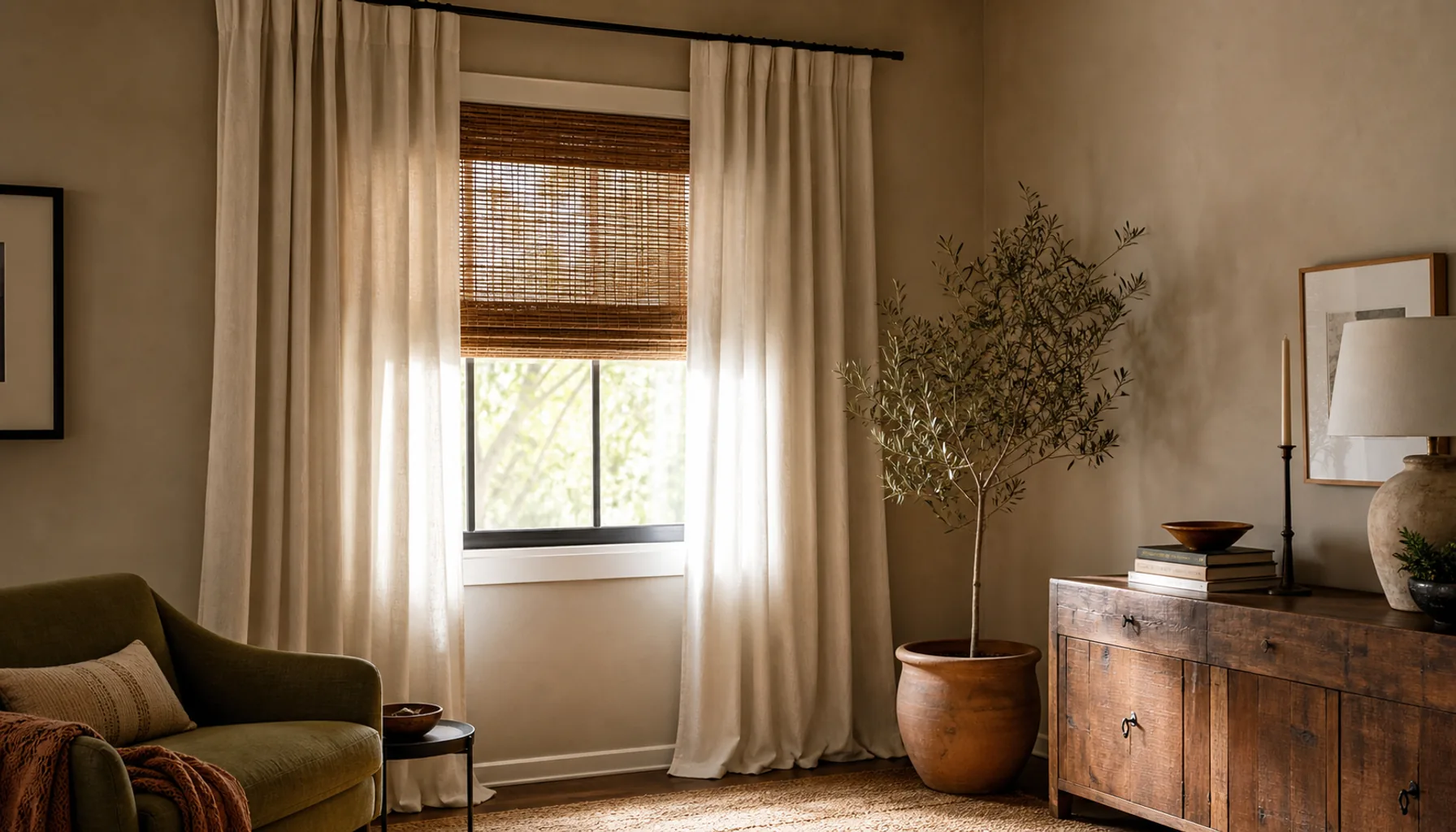
A popular current direction blends minimalism's calm with earthy warmth: greige walls, terracotta and clay accents, natural materials, and soft light. If this is where your saved images keep landing, styling with terracotta and neutrals is a reliable blueprint.
Step-by-Step: Pin Down Your Style
Working in order turns a vague feeling into a plan you can actually shop and decorate from.
Step 1: Gather Your Evidence
Collect those 15 to 20 rooms you love and lay them side by side. Do not edit for what you think you *should* like. The goal is raw data about your real taste.
Step 2: Circle the Repeats
Highlight the colors, materials, and shapes that show up again and again. Three or four recurring elements are the DNA of your style. If light wood and linen appear in half your images, that is a signal, not a coincidence.
Step 3: Name Two or Three Styles
Match your patterns to the styles above. Almost no one is a single pure style; you might be "warm minimal with a bohemian streak." Naming the blend gives you language for every future decision.
Step 4: Define Your Palette and Materials
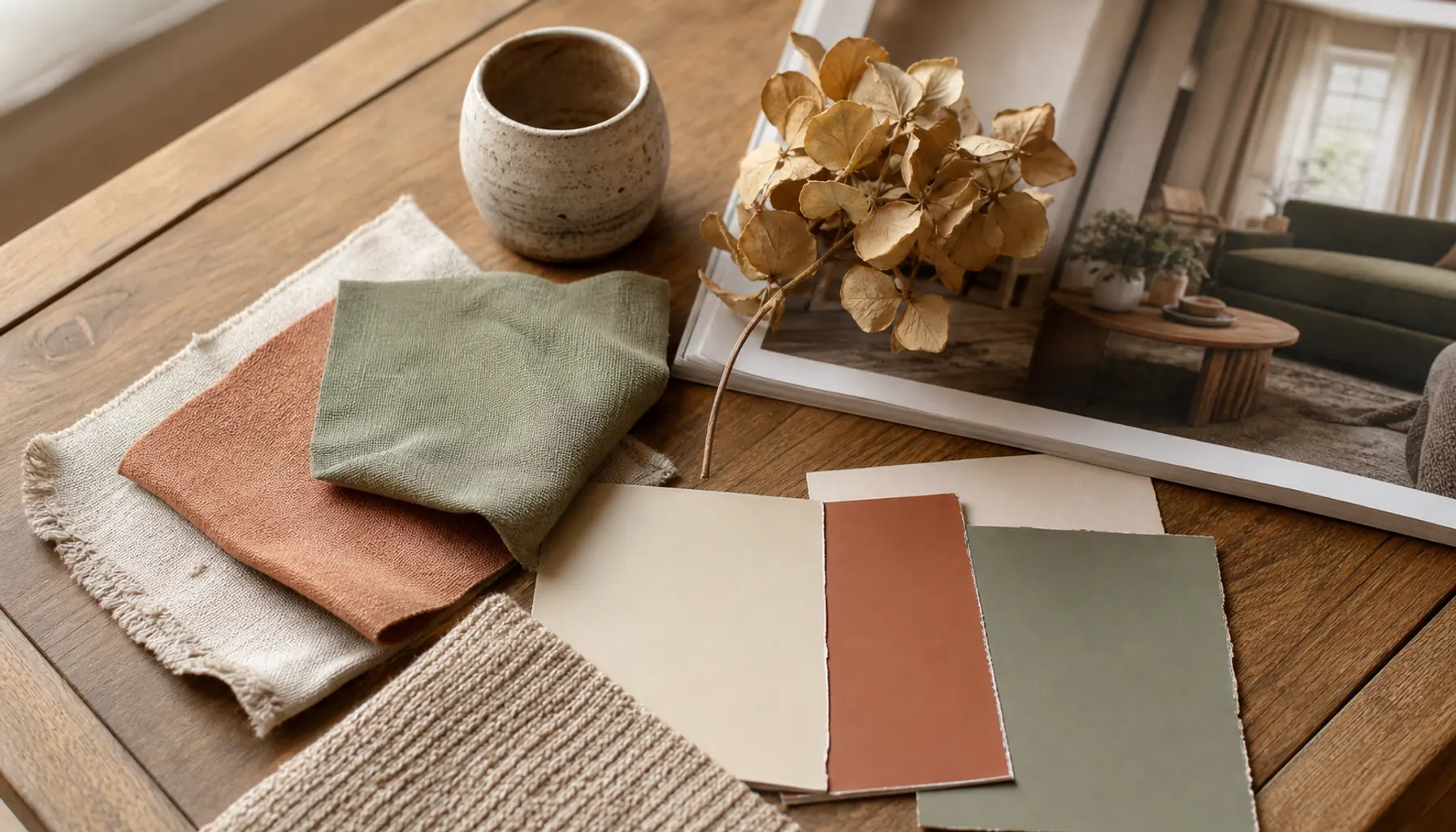
Lock a tight palette of three to five tones and a short list of materials, for example oak, linen, blackened metal. This is the glue that lets mixed styles read as intentional instead of accidental.
Step 5: Test It Against Your Life
Pressure-test the look against how you actually live, kids, pets, small space, rental limits. A style you cannot maintain is the wrong style. Adjust before you spend.
How to Combine More Than One Style
Mixing styles is not a compromise; it is how personal, memorable rooms get made. The trick is to give one style the lead and let the other play a supporting role.
Use an 80/20 split as a guide: let one style set about 80% of the room, the furniture, walls, and big pieces, and let the second style add roughly 20% through accents, textiles, and art. A calm Scandinavian base with a few bold bohemian textiles reads as confident. Fifty-fifty usually reads as confused.
A few rules keep a blend coherent:
- Repeat a color. Carry one or two tones across every zone so the eye connects the styles.
- Limit your materials. Two or three materials, repeated, feel curated; ten feel chaotic.
- Match visual weight. Balance heavy pieces with heavy pieces so one style does not overpower the other.
- Keep one style dominant. The supporting style should feel like a deliberate guest, not a competitor.
When two styles fight, add a shared neutral, warm white walls, natural wood, or black metal accents, and the tension usually resolves itself.
Common Mistakes When Finding Your Style
Most style confusion comes from chasing trends or copying whole rooms instead of trusting your own patterns.
- Copying a single photo exactly. A showroom or influencer's room fits their space and life, not yours. Borrow ideas, not the whole scene.
- Following trends over instinct. A trendy palette you do not actually love becomes an expensive regret in two years. Buy for you.
- Buying before you know your style. Impulse purchases are the top cause of rooms that never quite work; deciding when it is smarter to reuse than buy new keeps you from accumulating clutter.
- Ignoring the whole home. Wildly different styles room to room feel disjointed. A shared palette and a couple of repeating materials give a house one voice.
- Confusing a full house with a full personality. More stuff is not more style. Restraint and editing are style choices too.
Each of these traps comes from looking outward for the answer. Your style is already inside the choices you have made; the work is noticing them, not importing someone else's.
Expert Tips for Defining Your Style
These are the small moves that turn a vague preference into a confident, repeatable look.
- Shop your own home first. Before buying anything, walk through with fresh eyes and re-place what you own. You will spot your real style faster and cheaper.
- Build a physical sample tray. Gather paint chips, a fabric scrap, a wood sample, and a metal finish on one tray. Seeing your materials together beats imagining them.
- Keep an anti-list. Note what you actively dislike, cold gray, glossy surfaces, fussy patterns. Ruling things out sharpens your style as much as choosing them.
- Let lighting reinforce the mood. Warm, layered light supports cozy styles; crisp light suits modern ones. Getting this wrong quietly undermines the look, as these common lighting mistakes show.
- Give your style room to breathe. Leave some empty space so the pieces you love can be seen. A little restraint reads as intention.
- Revisit yearly, not weekly. Style evolves slowly. Check in once a year, ignore the churn of fast trends in between.
Frequently Asked Questions
How do I find my interior design style?
Study what you already love. Collect 15 to 20 images of rooms that appeal to you, then look for repeating colors, materials, and shapes. Note the mood they create and the objects you have kept for years. Those patterns, not an online quiz, reveal your genuine interior design style and give you a starting point to build from.
Can I have more than one interior design style?
Yes, and most people do. A single pure style is rare; blends are the norm and often more interesting. The key is to let one style lead, roughly 80% of the room, and use a second as accents. Repeat a shared color and a few materials so the mix reads as intentional rather than accidental.
What is the most popular interior design style right now?
Warm, earthy takes on minimalism are especially popular: greige and clay tones, natural woods, linen, and soft layered lighting. This "warm minimal" or "earthy modern" look pairs calm, uncluttered spaces with cozy texture. Scandinavian and modern farmhouse styles also remain widely loved for the same reason, comfort without clutter.
How do I know if two styles will work together?
They work when they share a common thread, usually a color, a material, or a level of formality. A neutral base like warm white walls or natural wood lets contrasting styles coexist. If a pairing feels off, it is often because there is no shared element tying them together; add one and the tension usually resolves.
Does my interior design style have to match in every room?
Not exactly, but your home should feel connected. Rooms can differ in mood while sharing a palette and a few repeating materials so the house reads as one home. Wildly different styles with no common thread feel disjointed. Think variations on a theme rather than completely separate identities per room.
How do I decorate if I do not know my style yet?
Start with a neutral, flexible base: calm wall colors, simple large furniture, and good lighting. Add personality slowly through textiles, art, and accents you can swap cheaply. This buys time to discover your taste without locking in expensive mistakes, and it keeps the room usable while your style becomes clearer.
Will my interior design style change over time?
Almost certainly, and that is healthy. Your taste shifts as your life, home, and priorities change. The trick is to invest in flexible, quality core pieces and express evolving style through easily changed layers like cushions, art, and paint. That way your home can grow with you without a full and costly redesign.
Putting Your Style Into Practice
Finding your interior design style is really an act of paying attention: to the rooms you love, the objects you keep, and the moods that make you exhale when you walk in. Name the two or three styles that keep surfacing, lock a tight palette and a short materials list, and let one style lead while the others accent. Start small this week, pull together a sample tray or reshuffle a shelf, and let each choice confirm or refine the picture. The more you trust the patterns you already have, the more your home will feel exactly, and only, like yours.